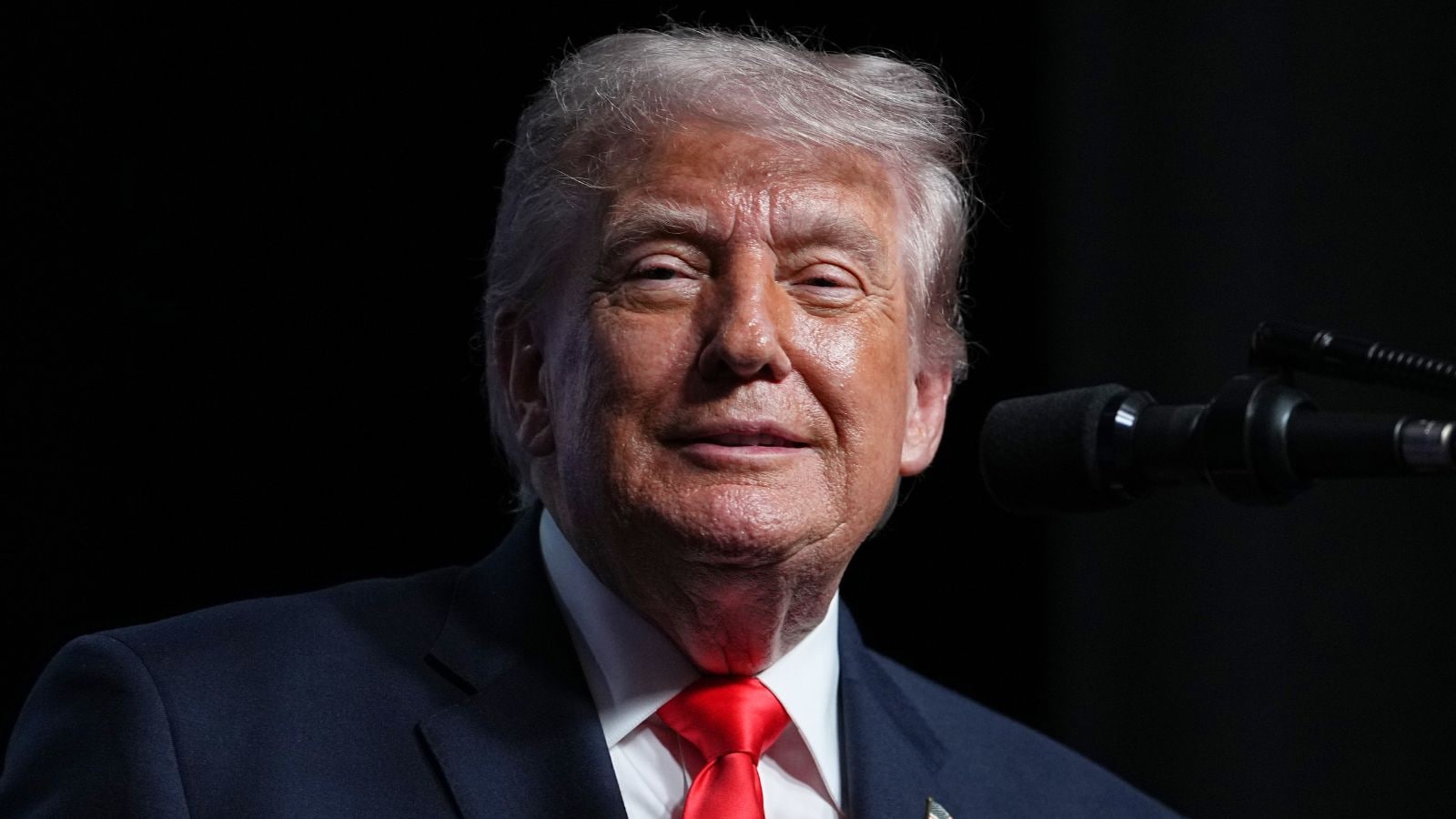
The Persian Gulf is currently the world’s most expensive parking lot. President Donald Trump just confirmed he’s looking at a brand-new proposal from Tehran to end the 2026 Iran war, but don't hold your breath for a signature. In a series of Truth Social posts this weekend, Trump made it clear that while the paperwork is on his desk, his heart isn't in it. He’s skeptical. Honestly, he sounds annoyed. He noted that he "can’t imagine" the deal will be acceptable because, in his view, Iran hasn't paid a "big enough price" for its actions over the last four decades.
This isn't just about a ceasefire. It’s about who blinks first in a naval standoff that has sent Brent crude oil prices screaming past $108 a barrel. You’re seeing a "dual blockade" that’s choking the global economy. The U.S. Navy is sitting off the coast of Iran, and Iran is sitting on the throat of the Strait of Hormuz.
The Problem With the Pakistani Proposal
The new plan, funneled through Pakistani mediators, tries to pull a fast one on the nuclear issue. It suggests an immediate, permanent end to the war and a lifting of the U.S. naval blockade. In return, Iran would reopen the Strait of Hormuz. The catch? They want to push nuclear negotiations to a "later date."
That’s a non-starter for this administration. Trump didn't launch the February 28 strikes just to get back to the status quo. He wants the uranium gone. He wants the enrichment sites dismantled. If he lifts the blockade now—the "very friendly blockade," as he calls it—he loses the only leverage that’s actually hurting the Iranian regime.
The reality on the ground is a stalemate. Since April 7, a shaky ceasefire has kept the missiles from flying, but the economic war is at full throttle. Trump’s strategy is basically a waiting game. He’s betting that the Iranian energy infrastructure will "explode from within" because they can't export their oil. It’s a brutal calculation. It’s also one that’s causing rolling blackouts across Iran and empty shelves in cities from Cairo to Berlin.
What Tehran is Demanding
- Total Sanction Relief: They want every single restriction dropped immediately.
- War Reparations: They’re asking the U.S. to pay for the damage caused since February.
- Security Guarantees: An end to "expansionist" U.S. rhetoric and a permanent halt to hostilities.
- Deferred Nuclear Talks: They promise not to seek a bomb, but they don't want to talk about the technical details until the ships are moving again.
Why the 60 Day Deadline Didn't Matter
A lot of people thought May 1 would be the turning point. That was the 60-day mark under the War Powers Resolution. Conventionally, a president needs Congressional approval to keep a fight going past that window. Trump simply told Congress the deadline doesn't apply because the hostilities have already "terminated."
It’s a legal loophole that’s making constitutional lawyers' heads spin. He argues that since there hasn't been an exchange of fire since early April, the war is technically over, even though the blockade remains. It’s a bold move. It’s also vintage Trump. He’s bypasses the legislative mess to keep the pressure on Tehran without needing a vote from a divided Hill.
The Economic Reality of the Dual Blockade
While the diplomats argue in Islamabad and Muscat, you're paying for it at the pump. The closure of Hormuz isn't just a regional issue. It's a global cardiac arrest.
- Energy Prices: Oil isn't just for cars; it's fertilizer and plastics. Food prices are tracking oil prices.
- Shipping Risks: The U.S. Navy is seizing Iranian cargo. The IRGC is threatening to "open the gates of hell" if their waters are violated.
- Insurance Costs: No commercial tanker is moving through the Gulf without a military escort or a suicidal insurance premium.
The Iranian leadership is clearly divided. Foreign Minister Abbas Araghchi is out there trying to look like the reasonable diplomat, while the IRGC generals are unveiling new ballistic missiles and threatening U.S. bases. Trump knows this. He’s playing on that internal friction. He’s not going to accept a deal that lets Iran kick the nuclear can down the road.
Don't expect a sudden peace treaty this week. The U.S. is doubling down on "secondary sanctions" against anyone buying Iranian petrochemicals. Defense Secretary Pete Hegseth is already signaling that if the Houthis keep messing with Red Sea shipping, the ceasefire might not last the month.
The next move isn't a signature on a peace deal. It’s a test of who can handle the economic pain longer. Watch the price of Brent crude. If it stays above $100, the international pressure on Trump to "take the deal" will become deafening. But for now, he’s holding the cards, and he knows it. Keep your eyes on the Strait. That’s where this war will actually be won or lost.