The sound of incoming artillery is not a whistle. That is a myth born of old movies and comfortable living rooms. In reality, a heavy shell tearing through the upper air sounds like ripping canvas, followed by a dull, subterranean thump that vibrates up through the soles of your boots before the dirt even lands.
When hundreds of those shells rain down over a single grid square in a matter of minutes, logic breaks down. Math becomes cruel.
For decades, military planners operated on a clean, elegant assumption: sky defense was a high-altitude game. You built sophisticated, multi-million-dollar interceptor missiles, guided by sprawling radar arrays, to knock down high-value jets and ballistic warheads. It was expensive, precise, and neat.
Then the nature of conflict shifted beneath everyone’s feet.
The modern battlefield is flooded with cheap, mass-produced artillery rockets, mortars, and screaming loitering drones. Suddenly, soldiers on the front lines found themselves staring down a terrifying asymmetry. Firing a three-million-dollar missile to knock down a ten-thousand-dollar drone or a two-hundred-dollar rocket is not just bad economics. It is mathematical suicide. You run out of interceptors long before the enemy runs out of metal.
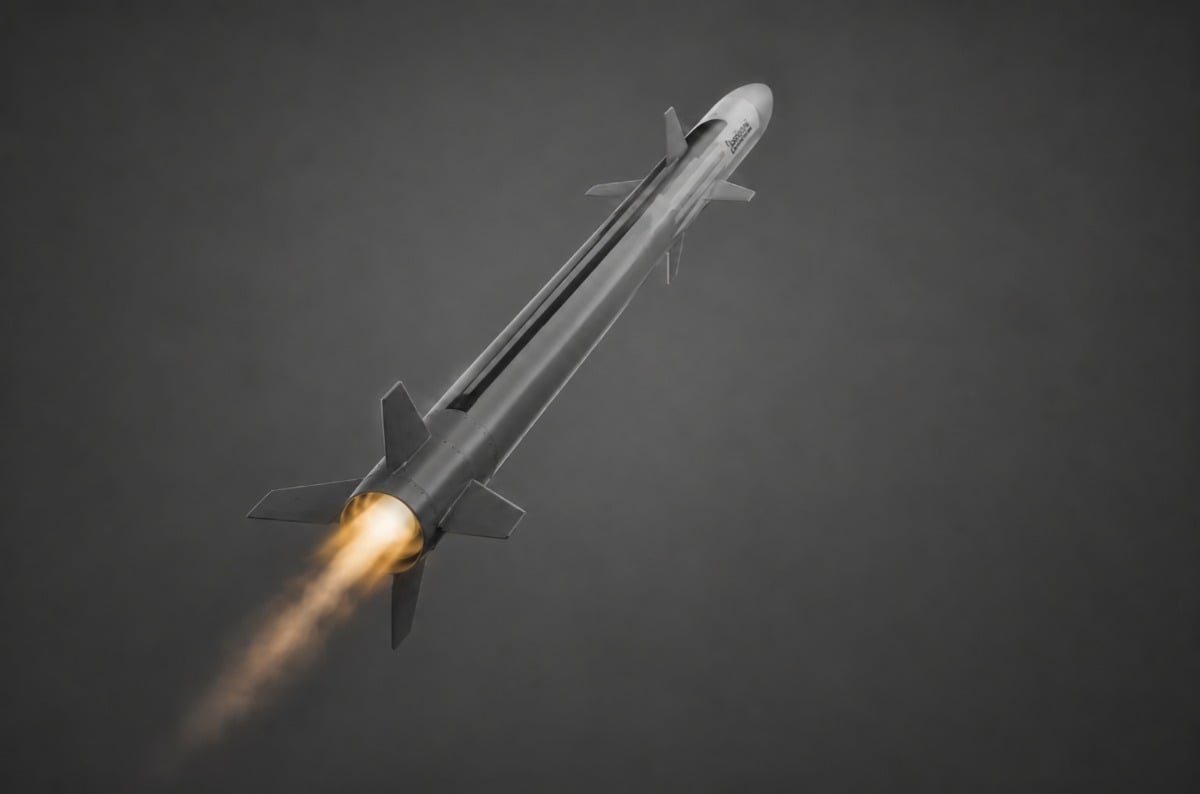
That brutal arithmetic is precisely what European aerospace company Destinus set out to break when they revealed their newest interceptor system.
The Math of Survival
To understand why a new interceptor matters, step into the shoes of a ground commander stationed in a muddy trench somewhere in Eastern Europe.
Imagine a radar screen flashing red. An incoming rocket barrage is twenty seconds out. You have seconds to act. If you rely on traditional air defense batteries, you face a agonizing dilemma. Use your limited stock of high-end missiles now, leaving yourself defenseless against tomorrow’s high-altitude threats? Or save the missiles and pray the incoming high-explosive shells miss your dugout?
Neither choice is real. Both end in disaster.
The core of the problem is simple cost and speed. High-end defense systems are marvels of engineering, but they take months, sometimes years, to manufacture. Artillery shells and short-range rockets, by contrast, roll off assembly lines like soda cans.
Destinus approached this panic from a completely different angle. Instead of scaling up complexity, they scaled down costs while keeping speed ridiculously high.
The new interceptor is designed with a singular, hyper-focused purpose: to hunt down incoming rockets, artillery shells, and tactical drones before they hit the dirt. It does not try to be a Swiss Army knife of the sky. It is a bullet aimed at other bullets.
How Cheap Turbines Change the Sky
Think of standard air defense like using a hand-crafted, gold-rimmed sports car to stop a runaway shopping cart. Destinus built a go-kart with a jet engine strapped to the back.
By utilizing low-cost materials, lightweight airframes, and miniaturized jet propulsion, the European firm engineered a platform capable of reaching high subsonic speeds in a heartbeat. It launches quickly, tracks rapidly moving artillery trajectories, and neutralizes the incoming threat at a tiny fraction of the cost of legacy systems.
Consider the physics involved. An incoming artillery shell travels at several times the speed of sound. An interceptor cannot afford a slow takeoff; it needs immediate, violent thrust.
Hypothetically, imagine a defensive battery positioned near a field hospital three miles behind the frontline. The radar picks up three incoming unguided rockets launched from a hidden truck miles away. Under the old system, that field hospital was essentially doomed unless an irreplaceable air defense vehicle was parked right outside. Under the new paradigm—pardon, the new reality—a cluster of compact Destinus interceptors can launch autonomously from small, easily concealed tubes, intercepting the incoming warheads mid-flight, destroying them in a cloud of hot shrapnel high above the trees.
The hospital stays standing. The interceptors cost less than the truck that launched the rockets. The math flips.
The Human Reality Inside the Bunker
Defense news often gets lost in spec sheets, flight ranges, and payload capacities. People forget what those numbers actually buy: time and breath.
For a eighteen-year-old infantry soldier crouching under a timber shelter, the sound of an approaching rocket is pure psychological terror. It degrades morale. It prevents sleep. It turns human beings into frantic, exhausted nerves.
When defense systems become cheap enough to deploy everywhere, the psychological dynamic shifts back toward the defender. Soldiers do not need to sit in the dark waiting for impact, knowing nobody is coming to shoot down a mere mortar shell. They know a network of fast, affordable aerial guards is actively sweeping the sky above them.
Destinus isn't just selling hardware to governments. They are offering an answer to the terrifying cheapness of modern artillery warfare.
Beyond the Metal
Warfare has always been a race between the shield and the sword. For the past decade, the sword was winning simply because it was cheaper to forge.
By proving that high-speed aerial interception can be produced at scale without burning through national budgets, Destinus is forcing a total rethink of how ground forces protect their airspace. The sky over the modern battlefield is crowded, loud, and lethal. But for the first time in a long time, the defense is starting to catch up to the rain.
Somewhere in a rain-soaked trench, a screen blips. A launcher hums to life. The rocket shoots upward, tiny and screaming, meeting the incoming iron halfway.
The dirt stays on the ground. The men inside keep breathing.