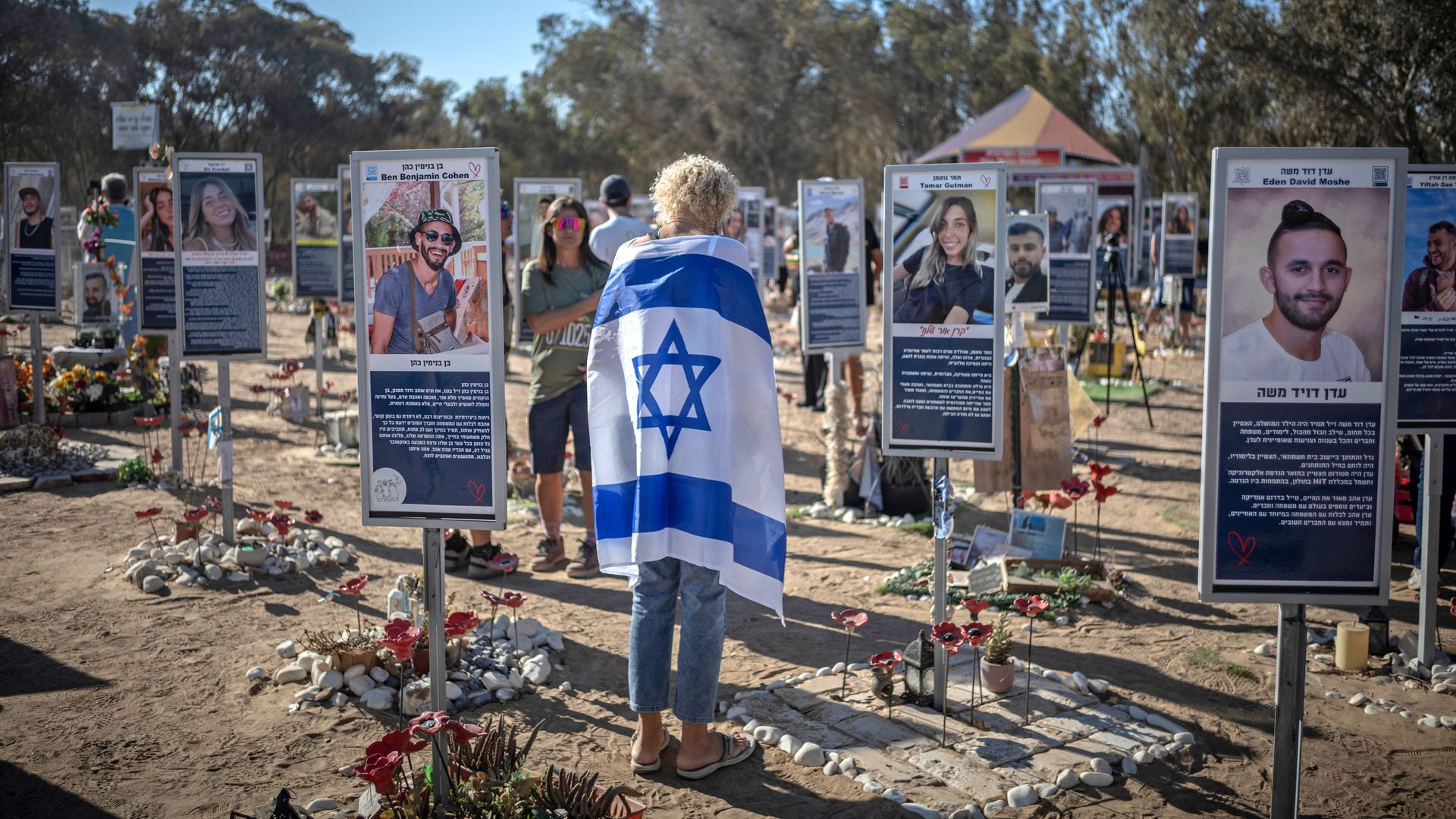
The Israeli Knesset has formally approved legislation to establish a specialized military tribunal system designed specifically to prosecute those involved in the October 7 attacks. This move shifts the legal burden from the civilian judiciary to a military framework, a decision that essentially bypasses the standard criminal justice system in favor of a structure built for national security exigencies. By creating this dedicated legal pathway, Israel is signaling that the events of that day cannot be handled through the slow, deliberative processes of domestic law. The new law provides the state with the authority to hold expedited trials, utilize classified intelligence as evidence more freely, and manage a massive influx of detainees that has already pushed the existing prison and court systems to their breaking point.
The Departure from Civilian Norms
For decades, Israel has maintained a delicate balance between its civilian courts and the military justice system that operates in the West Bank. The passage of this new law effectively collapses that distinction for the thousands of individuals captured during and after the initial breach of the border. Proponents of the bill argue that the sheer scale of the atrocities—involving mass murder, sexual violence, and hostage-taking—requires a mechanism that can handle evidence gathered on a battlefield rather than a traditional crime scene.
Traditional criminal law requires a chain of custody for evidence that is nearly impossible to maintain in the middle of an active war zone. DNA samples, digital forensics from GoPro cameras, and eyewitness testimonies from traumatized soldiers and civilians do not always fit neatly into the evidentiary boxes required by a civilian judge. The military tribunal is designed to be more flexible. It allows for the admission of hearsay in specific circumstances and grants military prosecutors wider latitude in how they present their case.
This isn't just about efficiency. It is about a fundamental shift in how the state views the defendants. By processing them through a military tribunal, the state classifies them as enemy combatants rather than mere criminals. This distinction carries heavy weight in international law, though it simultaneously invites intense scrutiny from human rights organizations who fear the erosion of due process.
Structural Realities of the New Tribunals
The law does not just create a new courtroom; it creates an entire parallel legal ecosystem. This includes specialized judges with backgrounds in both international law and military operations. These individuals will be tasked with navigating the murky waters of a prosecution where the "crime scene" was spread across dozens of kibbutzim and a music festival, and where many of the perpetrators were killed or retreated back into a dense urban environment.
One of the most significant hurdles the state faces is the sheer volume of defendants. Thousands were involved in the breach, and hundreds are currently in custody. A civilian court system, already backlog-heavy, would take years, if not decades, to process these cases individually. The military tribunal allows for consolidated trials, where groups of individuals involved in the same specific raid or action can be tried together.
Critics point out that this consolidation can lead to "guilt by association." However, the architects of the law maintain that the collective nature of the attack—where units acted under a singular command structure—justifies a collective legal response. The tension here is palpable. Israel wants justice that is visible and swift, but it also needs that justice to be seen as legitimate by the international community, particularly as the International Criminal Court (ICC) keeps a watchful eye on the region's legal proceedings.
The Evidence Dilemma and Intelligence Protection
In a standard courtroom, the defense has a right to see almost everything the prosecution has. In the context of October 7, much of the evidence was gathered via signal intelligence, undercover assets, and high-level surveillance techniques that the Israeli Shin Bet and IDF are loath to reveal. If these cases were tried in a civilian setting, the state might be forced to choose between winning a conviction and protecting its most sensitive intelligence-gathering methods.
The military tribunal solves this by allowing for "ex parte" evidence—material shown to the judge but withheld from the defense on national security grounds. While this ensures that methods remain secret, it creates a lopsided battlefield for defense attorneys. They are often left shadowboxing, trying to refute evidence they have never fully seen.
Security of the Proceedings
There is also the physical security of the trials themselves. Moving hundreds of high-risk detainees to civilian courthouses in the center of Jerusalem or Tel Aviv creates a logistical nightmare and a massive security risk. By keeping the trials within military zones or specialized high-security facilities, the state minimizes the chance of further violence or escape attempts.
The law also addresses the psychological toll on witnesses. Many of those who will be called to testify are survivors who have lost their entire families. The military framework allows for more controlled environments, potentially shielding witnesses from the public and the media in ways a civilian court cannot always guarantee.
International Legal Pressure and the Shadow of the ICC
The timing of this law is not accidental. Israel is currently facing significant pressure from the International Criminal Court and the International Court of Justice. By establishing a "robust" (in the literal, physical sense) and specialized domestic legal process, Israel is attempting to invoke the principle of complementarity.
Under international law, the ICC can only step in if a national legal system is "unwilling or unable" to carry out the investigation or prosecution. By passing this law, Israel is asserting that it is both willing and able. It is a pre-emptive strike against international intervention. If the military tribunals are seen as fair and thorough, it becomes much harder for the ICC to justify its own involvement.
However, if these tribunals are perceived as "kangaroo courts" or mere rubber stamps for the security establishment, the plan could backfire. The international community requires a certain level of transparency. If the veil of military secrecy is too thick, the resulting convictions may be dismissed by the global legal community as political theater rather than genuine justice.
The Role of Defense Counsel
Providing a defense for the October 7 attackers is perhaps the most thankless job in the history of the Israeli legal profession. Most private Israeli attorneys have refused to take the cases, citing the emotional and social repercussions. This has left the task to the Public Defender’s Office, which initially pushed back, arguing that they should not be forced to represent individuals who participated in the massacres.
The new law necessitates a solution to this deadlock. It allows for the appointment of non-Israeli defense counsel in certain cases, or the creation of a specialized wing of military defense lawyers who are shielded from the public eye. This is a crucial component because a trial without an adequate defense is, by definition, a failure of the rule of law.
Comparative History of Special Tribunals
Israel is not the first nation to grapple with this. The United States faced similar challenges with the Guantanamo Bay military commissions. The lesson from the American experience is that specialized military courts often become mired in procedural delays that last decades. The legal arguments over what constitutes a "fair trial" in a military setting can take longer than the trials themselves.
The Israeli government is betting that its model will be different. Unlike the U.S., which was dealing with individuals captured halfway across the world, Israel is dealing with an immediate neighbor and a direct, localized threat. The proximity of the evidence and the witnesses suggests a faster timeline, but the legal complexities remain identical.
The Question of Capital Punishment
While the new law sets up the tribunal, it does not explicitly mandate the death penalty. Israel has only executed one person in its history—Adolf Eichmann. However, several members of the current governing coalition have been vocal about the need for the death penalty in these specific cases.
The military tribunal framework makes the death penalty a more viable legal possibility than the civilian system would. In the military courts, a unanimous decision by a panel of three judges can result in a death sentence. This remains one of the most contentious aspects of the entire project. The debate isn't just about justice; it's about the soul of the state’s legal identity. Some argue that execution would make the perpetrators martyrs, while others believe it is the only appropriate response to the magnitude of the crime.
Logistics of Mass Detention
Beyond the legal theory, there is the raw reality of logistics. Israel’s prison system was already overcrowded before October 7. The sudden influx of thousands of "security detainees" has led to the conversion of old military bases into temporary holding centers. The new law provides a legal basis for the continued detention of these individuals while they await trial, extending the periods they can be held without seeing a judge.
This "administrative" aspect of the law is what most concerns civil liberties groups. They argue that the law allows the state to hold people indefinitely by simply claiming the "investigation is ongoing." The state counters that in a war, the rules of peacetime detention simply cannot apply.
Impact on the Palestinian Judiciary
It is also worth noting that this law further sidelines any potential role for the Palestinian Authority’s legal system. By asserting total jurisdiction over every person involved in the October 7 attacks, regardless of where they were captured, Israel is reinforcing its security control over the entire territory. This move effectively ends any discussion about the PA having a hand in the "day after" governance or justice for its own citizens who participated in the attacks.
The Burden of Proof in the Digital Age
Much of the evidence for these trials is already in the public domain. The perpetrators filmed themselves. They posted their actions on social media in real-time. On the surface, this looks like an open-and-shut case. But in a court of law, even a video of a person committing a crime must be authenticated.
Was the video manipulated? Can the person behind the mask be definitively identified? These are the questions defense lawyers will ask. The military tribunal is expected to employ advanced forensic AI and facial recognition data to bridge these gaps. The use of such technology in a criminal proceeding will likely set a global precedent for how digital evidence is handled in mass-casualty events.
A System Under Extreme Pressure
The Israeli legal system is currently operating under a level of pressure that would buckle most democracies. There is a massive public demand for retribution, a government that is politically fractured, and an international community that is increasingly critical.
The creation of the military tribunal is an attempt to create a "clean" break from the chaos. It is a move to professionalize the prosecution of the war’s most high-profile defendants. But the risk remains that the system will be seen as an extension of the military campaign rather than an independent pursuit of justice.
The Precedent Being Set
What happens in these courtrooms will resonate for decades. If the tribunals succeed in providing a transparent and fair accounting of the events of October 7, they could provide a measure of closure for a nation in mourning. If they fail, they will become another chapter in a long history of legal disputes that fuel further conflict.
The legislation is now the law of the land. The judges are being selected. The dockets are being prepared. The transition from the battlefield to the courtroom has begun, but the stakes remain just as high as they were on the morning the border was breached.
Justice in this context is not a static concept. It is a process of balancing the rights of the accused against the security of the state and the needs of the victims. By choosing the military path, Israel has decided that the security of the state must take precedence. Whether the world accepts the verdicts that follow will depend entirely on the transparency of the process now being built.
The first trials are expected to begin within the next six months. They will not be held in the grand courtrooms of Jerusalem, but in fortified facilities, under heavy guard, away from the eyes of the public. This is the new reality of Israeli justice. It is a system built for a country that no longer believes the old rules of law are enough to protect its future.
The weight of this decision will be felt long after the final verdicts are handed down. The legal architecture being constructed today will likely serve as the blueprint for how the state handles security threats for the next generation. There is no going back to the way things were before. The law has changed because the country has changed.