When the sirens sound and flags drop to half-staff, the national grief doesn't neatly align into a single, cohesive narrative. Israel's commemorations for the October 7 attacks capture a society caught between collective trauma, political fury, and an unyielding desire to honor the victims. Remembering that day isn't a quiet, unified affair anymore. It's a raw reflection of a country still wrestling with how it happened and where it's heading.
The Weight of 6:29 AM
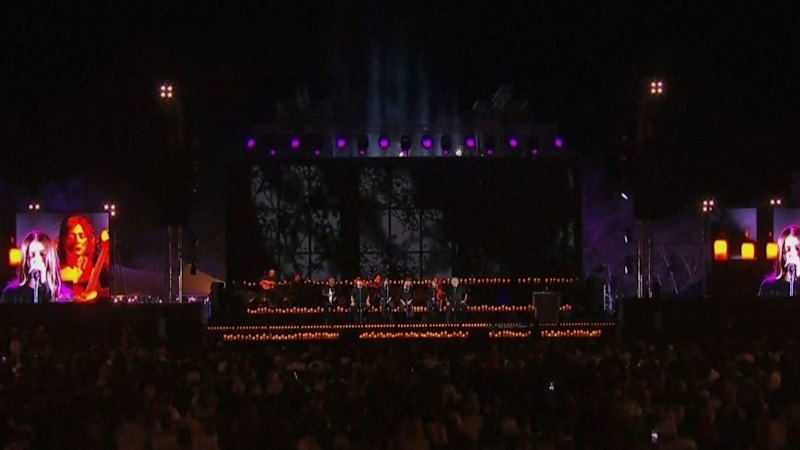
Every year, the calendar forces a brutal pause. Commemorations begin at 6:29 in the morning, the exact minute Hamas-led militants breached the border fence in 2023. At the site of the Supernova music festival near Kibbutz Re'im, families, survivors, and friends gather among dusty fields. They bring photographs, light candles, and listen to the final tracks of music that played before the carnage started.
You see parents standing by makeshift memorials who visit the same spot every weekend just to feel close to what was lost. It's personal, agonizing, and entirely stripped of diplomatic polish. State ceremonies at Mount Herzl and alternative public gatherings in Tel Aviv or near Gaza border communities highlight a painful split. Official proceedings offer a stage for leaders to promise deterrence and security, but the crowds often bring raw anger about accountability, failed intelligence, and the prolonged hostage crisis that fractured the nation's core sense of safety.
When Politics Collides With Mourning
You can't separate the memorial events from the political reality on the ground. Commemorations in Israel carry heavy friction. Families of victims and returned hostages frequently clash with government messaging. During state addresses, interruptions and sharp shouts pierce the silence, reminding everyone that trust in leadership was shattered alongside border fortifications.
Anti-government protests often run parallel to official memorial services. For many citizens, true remembrance requires demanding accountability from the leaders in power when the catastrophe unfolded. This creates a tense atmosphere where grief and political protest occupy the same public squares. It's messy. It's loud. And it proves that Israeli society isn't sweeping its fractures under the rug, even when the world is watching.
Finding Unity on Route 232
Despite the political noise, certain symbols cut through the division. Leaders and citizens alike frequently point to Route 232—the asphalt artery running along the Gaza border. On that morning, the highway became both a killing zone and an escape route.
Ordinary citizens didn't wait for orders. They drove straight into active combat zones to pull strangers from the fire, operating on a deeply ingrained instinct that Israelis don't leave people behind. Speakers at various memorial events emphasize that this grassroots heroism is the true glue holding the country together. Arguments over policy fade when people remember the neighbors, soldiers, and medics who traded their lives to save others without asking who they voted for or how they prayed.
The Long Road Ahead
Three years after the massacre, the scars are embedded in the architecture of everyday life. New members enter the Knesset with direct battle trauma, displaced communities are slowly rebuilding, and families are still picking up the pieces of a reality that vanished overnight. Memorial days serve as an annual anchor, forcing the nation to look backward even as security pressures pull it forward. Israel's struggle on these anniversaries isn't just about mourning the past. It's a high-stakes debate over what kind of country will emerge from the ashes.
Israel marks three years since October 7 attacks with memorials and ...
This video provides footage and reporting on the memorial services and national atmosphere across Israel marking three years since the October 7 attacks.