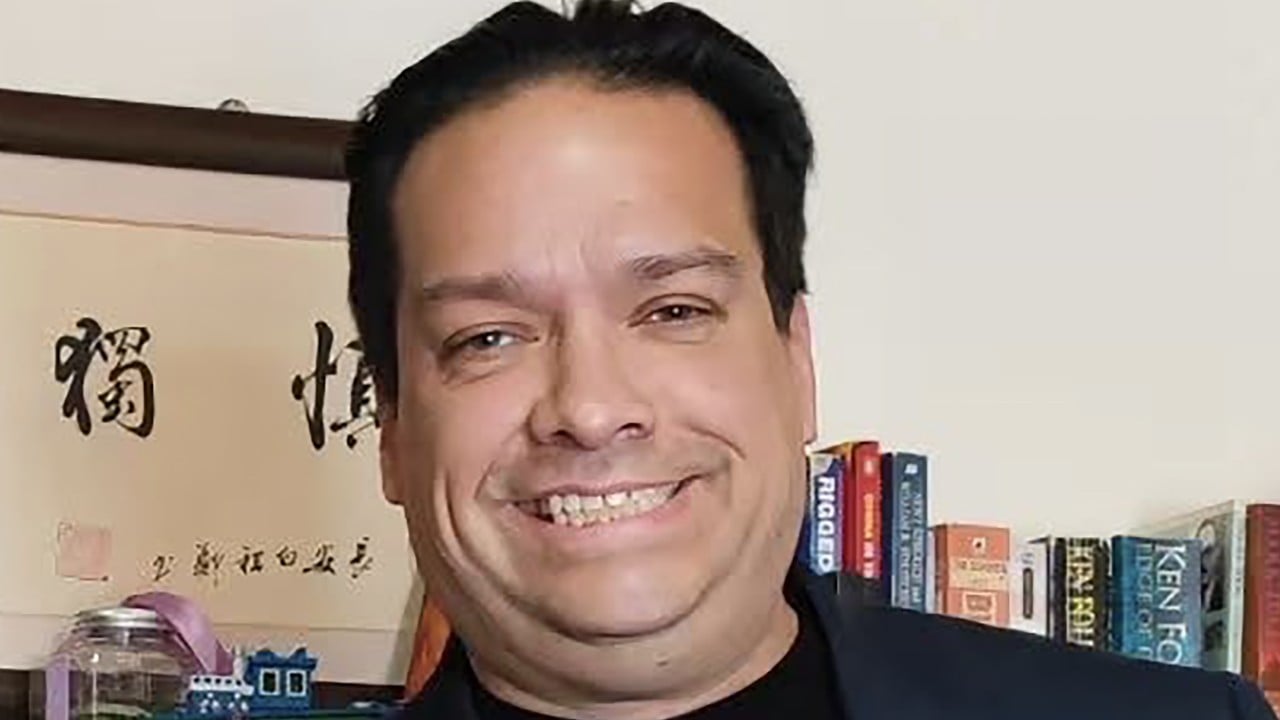
The headlines scream about foreign agents, clandestine meetings, and the betrayal of the republic. A journalist gets locked away for two years, and the mainstream commentariat nods along like a row of plastic dogs on a dashboard. Treason! Espionage! The integrity of the press defended!
It is a comforting, childish fantasy. And it is entirely wrong. If you liked this article, you should check out: this related article.
Strip away the courtroom theatrics and the breathless cable news segments, and you find a much uglier reality. The state does not panic over foreign influence because it threatens democracy. It panics because unauthorized diplomacy threatens the state's monopoly on narrative control. When governments charge reporters under foreign agent registration laws or espionage statutes, they are not protecting national security. They are criminalizing independent friction.
I have spent years watching the machinery of international relations up close. I have seen how intelligence agencies view information: not as truth to be uncovered, but as inventory to be managed. When an independent writer steps outside the approved pipeline of leaks, background briefings, and state-sanctioned access, they become a wild card. For another look on this event, see the recent update from Al Jazeera.
The lazy consensus in every major newsroom right now is that state surveillance and aggressive prosecution of foreign ties are clear-cut victories for domestic security. That is a dangerous delusion.
The Mechanics of State Paranoia
Look at how these statutes are actually deployed. The Foreign Agents Registration Act and its international equivalents were ostensibly designed to catch secret operatives moving suitcases of cash to subvert elections. Yet, they increasingly target people who simply talk to the wrong embassies, write for non-approved publications, or analyze foreign policy outside the state-approved paradigm.
Define espionage correctly. True espionage involves the theft of classified military or operational assets that put lives in immediate, tangible danger. Writing analysis, conducting interviews with foreign officials, or even acting as an unaccredited conduit for cross-border communication is not spying. It is reporting. It is diplomacy by other means.
When the state blurs the line between gathering intelligence and gathering news, it creates a chilling effect that makes real journalism impossible. Why take a hard look at foreign policy orthodoxy if talking to a diplomat from a rival power can land you in a federal cell?
The Dangerous Fiction of Objectivity
We pretend that journalists exist in a vacuum of pure domestic purity. We buy into the myth that a reporter covering geopolitics should have zero entanglements, zero foreign contacts, and zero outside funding streams.
That standard is impossible, and it is weaponized selectively.
Foreign governments do not need to plant secret agents in newsrooms because our own institutions already do the heavy lifting of manufacturing consent. When legacy outlets publish unverified Pentagon leaks verbatim, nobody calls the editor a foreign agent. But let an independent writer take a check from an overseas foundation, or maintain a source network that includes foreign officials, and suddenly the state unleashes the full weight of the penal code.
This double standard exposes the rot at the core of modern media regulation. The establishment does not hate foreign influence; it hates unlicensed foreign influence. If you push the state department line while taking dark-money funding from domestic defense contractors, you get a Pulitzer. If you step outside the fence, you get a prison sentence.
What Actually Happens When You Criminalize Context
Imagine a scenario where every journalist operating abroad is forced to register every contact, every meal, and every draft with a government compliance office. That is not national security. That is totalitarianism disguised as hygiene.
When you lock up writers for maintaining unauthorized foreign channels, you destroy the early warning systems of peace. Diplomacy happens in the gray zones. It happens when people talk to people they aren't supposed to talk to. By shutting down those informal channels, we accelerate toward conflict because nobody is allowed to translate the other side's perspective without being labeled a traitor.
The media apparatus loves these prosecutions because they substitute moral theater for hard work. It is much easier to write a 3,000-word profile on a fallen journalist's moral failure than it is to question the structural expansion of executive surveillance power.
We are sleepwalking into an era where independent thought is treated as a security vulnerability. Every time we cheer for the conviction of a writer under broad national security pretexts, we hand another key to a jail cell designed for anyone who refuses to repeat the official line.
Stop pretending this is about protecting the homeland. It is about protecting the narrative. And the next time a court case rolls around to remind you who is really in charge of the story, remember that the most dangerous thing in politics is a reporter who refuses to take orders from the crown.



