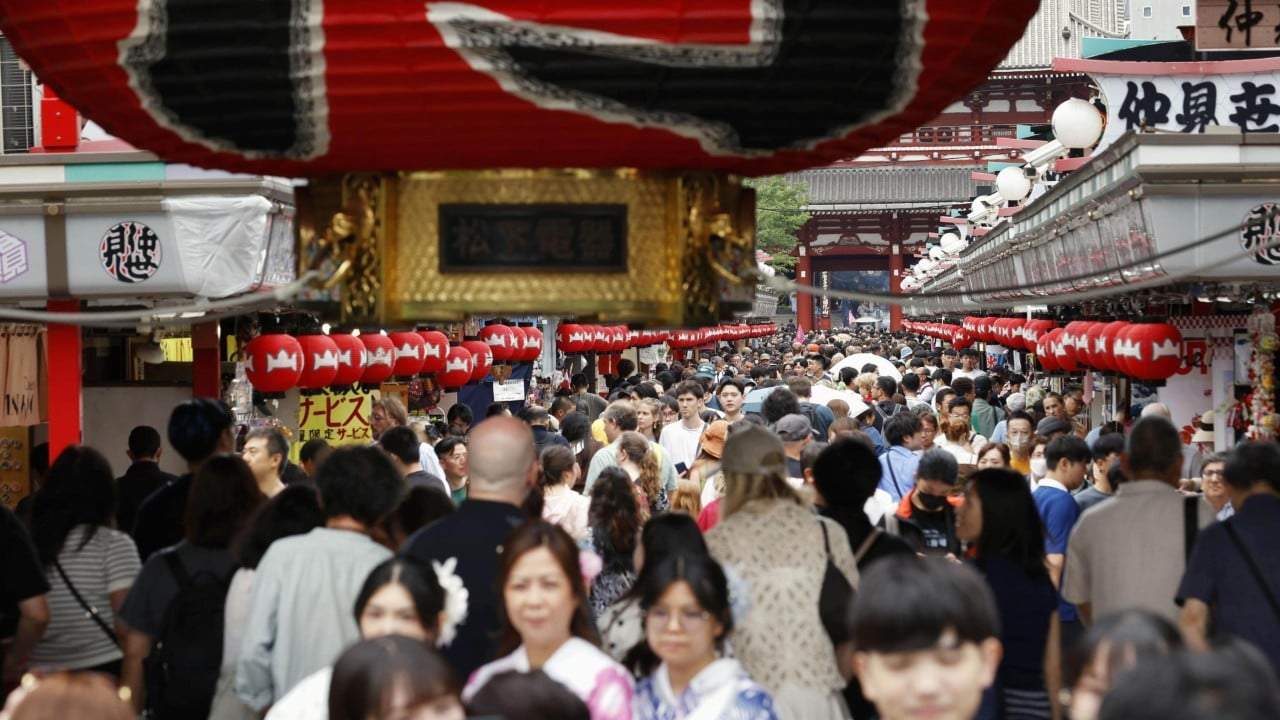
If you walk down the streets of Ginza or Kyoto right now, the crowds are overwhelming. The country just smashed its all-time record by hosting 42.7 million international visitors in 2025. Yet, the old playbook for Japanese tourism has been completely shredded. For the last decade, the conventional wisdom was simple: if Tokyo wanted to hit its ambitious goal of 60 million annual tourists by 2030, it absolutely needed a constant, massive influx of big-spending travelers from mainland China.
It turns out that assumption was dead wrong.
We are witnessing a massive structural shift in global travel. Diplomatic friction between Tokyo and Beijing—amplified by Japanese Prime Minister Sanae Takaichi’s late 2025 comments regarding Taiwan Strait security—prompted Chinese authorities to actively cool off travel to Japan. In early 2026, mainland Chinese arrivals plummeted, dropping by over 45% in February alone compared to the previous year.
Historically, a drop like that would have triggered a crisis in the Japanese hospitality sector. Instead, Japan’s overall tourism numbers actually went up by over 6% during the exact same period, hitting 3.47 million arrivals in a single month. Japan is proving it no longer relies on a single dominant neighbor to fuel its economy. The 60 million target is still very much alive, but the path to getting there looks entirely different than anyone predicted.
The Disappearance of the Megabus Crowd
Go back to 2019, and the dominant narrative of Japanese tourism was bakugai, or "explosive buying." Chinese tour groups packed into large buses, swarmed electronics stores in Akihabara, and bought luxury cosmetics by the crate.
Today, that specific demographic has vanished. While individual Chinese travelers are still making the trip, the state-discouraged group tours have redirected their attention elsewhere. Destinations like Thailand and South Korea are absorbing that traffic, leaving Japanese retail districts looking surprisingly different.
But here is what the pessimists missed: the empty seats on those tour buses were immediately filled by someone else.
The record-breaking numbers are now driven by an aggressive diversification strategy. Travelers from South Korea and Taiwan are arriving in staggering volumes—South Korea alone sent more than one million visitors in February 2026. Simultaneously, Western markets are exploding. Combined arrivals from Europe, the United States, and Australia surged by 22% over the past year. Driven by a historic weakness in the yen, American tourists crossed the three-million mark, bringing entirely different spending habits and regional interests to the country.
The Real Crisis is Staffing, Not Demand
If you think the biggest headache for the Japan Tourism Agency is Beijing's diplomatic frostiness, you are looking at the wrong problem. The real challenge is internal. Japan is practically drowning in its own popularity, and the local infrastructure is redlining.
According to the Japanese government’s 2026 white paper on tourism, over 70% of accommodation facilities nationwide are facing severe staff shortages. For midsize hotels and traditional ryokans—specifically those pulling in between 100 million and 1 billion yen in annual sales—that number climbs to an alarming 77.1%.
Hospitality Staffing Shortages (2026 Data)
--------------------------------------------
All Accommodations:       70.0% Understaffed
Midsize Facilities:       77.1% Understaffed
This shortage isn't just an administrative annoyance; it alters the actual visitor experience. Nearly 80% of these understaffed businesses report that their current employees are heavily overworked during peak travel windows, and 40.6% have been forced to cut back on services entirely. You might find fewer dining options at a rural inn, slower check-in times in Tokyo, or restricted booking windows because a hotel simply lacks the housekeeping staff to clean the rooms.
The industry is desperately trying to adapt by fast-tracking digital tools. Self-service check-in kiosks, automated luggage handling, and the near-universal adoption of travel technologies like digital eSIMs are keeping the system from collapsing. But technology can only go so far when a country needs physical bodies to serve meals and manage transit networks.
The Strategy Shift You Can Capitalize On
If you are planning a trip to Japan or managing a travel business, you need to throw out the pre-pandemic itinerary guidelines. The sudden pivot away from a Chinese-dominated market means the hotspots have shifted, and so has the official government strategy.
To combat severe over-tourism in places like Kyoto and the Shibuya crossing, local authorities are actively pushing international travelers away from the "Golden Route" and into rural, lesser-known prefectures. This means big cities are implementing creative deterrents—like tiered pricing systems where foreigners pay more for certain attractions, or outright bans on entering specific private alleys in historic districts.
To maximize a trip or an investment in this environment, adopt these practical tactics immediately:
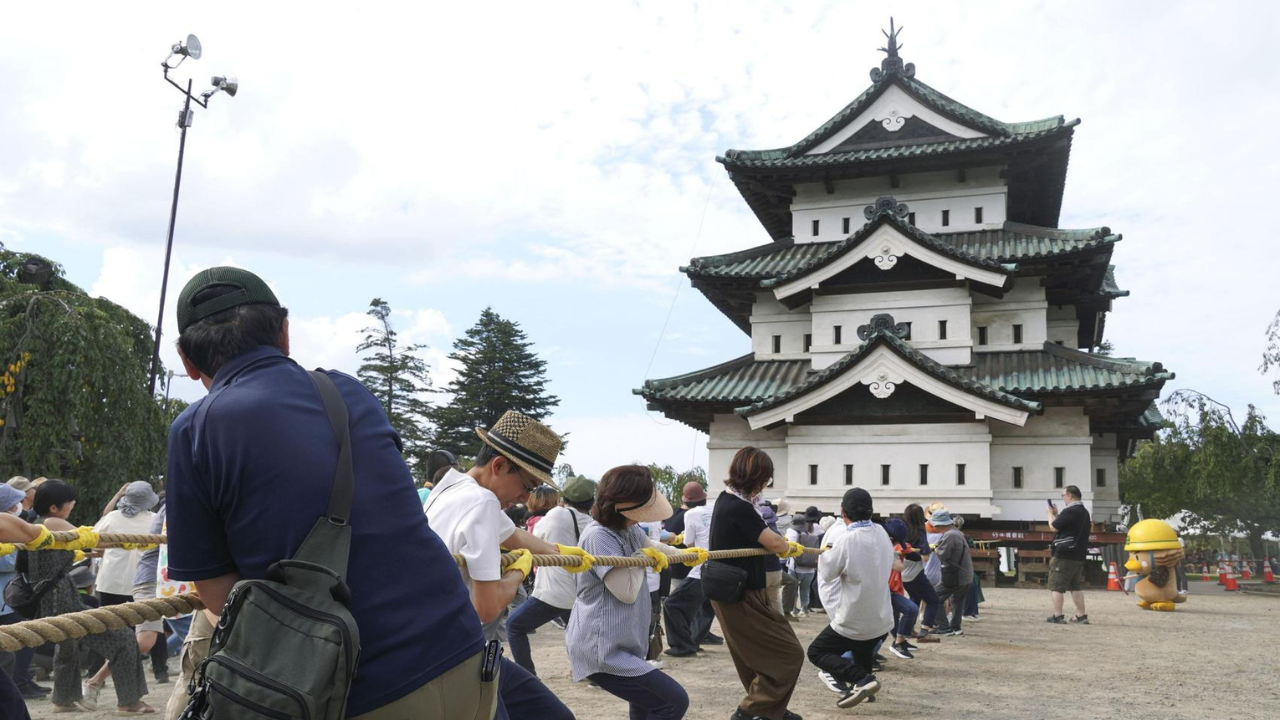
- Skip the Cliche Hubs: Instead of fighting the crowds in Kyoto, pivot to regions like Tohoku, Kyushu, or Hokuriku. The local governments there are heavily subsidizing English-ready tourism initiatives to capture the new wave of Western and regional Asian travelers.
- Book Accommodations Marginally Higher: Because midsize hotels are bearing the brunt of the labor crisis, consider booking either premium boutique properties that maintain high staffing ratios, or fully automated apartment rentals where service shortages won't impact your stay.
- Lock in Logistics Early: With domestic transit systems carrying record numbers of individual travelers rather than predictable group tours, bullet train reservations and regional car rentals are selling out weeks in advance. Do not expect to wing it upon arrival.
Japan is going to hit its 60 million tourist milestone, with or without Beijing's cooperation. The sheer velocity of arrivals from the rest of the world has proven that the country’s cultural appeal is bulletproof against regional political squabbles. The real question is whether Japan can rebuild its hospitality workforce fast enough to welcome them.