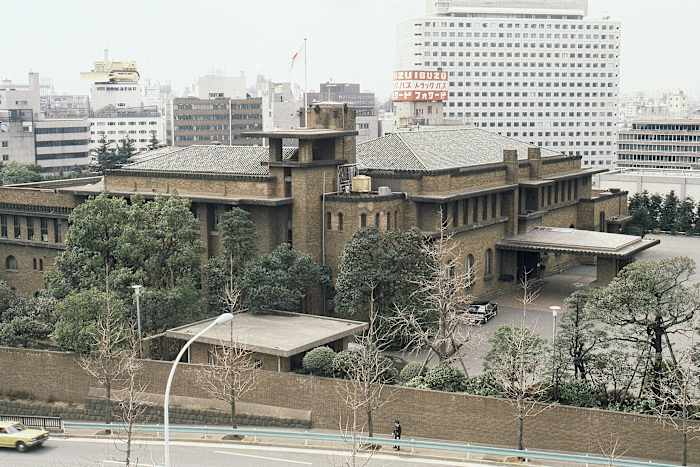
Japanese Prime Minister Sanae Takaichi doesn't care much for traditional political mingling. While past leaders spent their evenings navigating factional dinners, backroom deals, and press handshakes, Takaichi stays locked inside her official residence.
Naturally, this habit raised eyebrows. Critics accuse her of ducking accountability and dodging parliament. But Takaichi argues her seclusion isn't about hiding from the public. It's about raw efficiency.
Redefining the Kotei as a Command Center
The historic brick-and-stone building next to the main office, known as the kotei, isn't just a home. Takaichi turned it into an operational fortress.
She doesn't waste time commuting. When crises hit, she's already there. Weekend lockdowns mean she can rip through stacks of policy papers without interruption. According to her public statements on social media, she uses these quiet hours to digest heavy drafts regarding growth strategies and budgets.
Detractors see an isolated leader out of touch with lawmakers. Supporters see someone cutting through bureaucratic red tape to get things done.
The Exhaustion Debate and Public Backlash
You can't talk about Takaichi's seclusion without addressing her sleep schedule. Or lack thereof.
She famously boasts about sleeping zero to three hours a night. Between reviewing briefing books at dawn, she handles domestic chores like washing dishes and mending skirts.
This hyper-vigilant work ethic strikes a nerve in a country already wrestling with a brutal corporate culture. Critics argue that glorifying near-zero sleep sets a toxic precedent for workers. Labor lawyers and opposition figures point out that when the prime minister starts scheduling early morning reviews, support staff and drivers pay the price with their own rest.
Yet, Takaichi doubles down. She treats exhaustion almost like a badge of honor, even joking that she has survived run-ins with residential cockroaches inside the aging 1929 structure.
Optics Versus Execution
Politics is a game of perception. By retreating into her residence and bypassing traditional media channels in favor of direct posts online, Takaichi controls her narrative.
Poll numbers fluctuate as she pushes controversial policy stances and avoids face-to-face friction. Isolation shields her from immediate pushback, but it also starves her administration of vital feedback loops. When a leader stops listening to the room, blind spots grow.
Takaichi wants history to judge her by output, not social pleasantries. Whether her fortress mentality yields sustainable governance or political isolation remains to be seen.
0–3 Hours Of Sleep: Japan PM Sparks Global Debate | Vantage on Firstpost
This short video covers the international debate surrounding Prime Minister Sanae Takaichi's extreme work hours and sleep deprivation.
http://googleusercontent.com/youtube_content/1