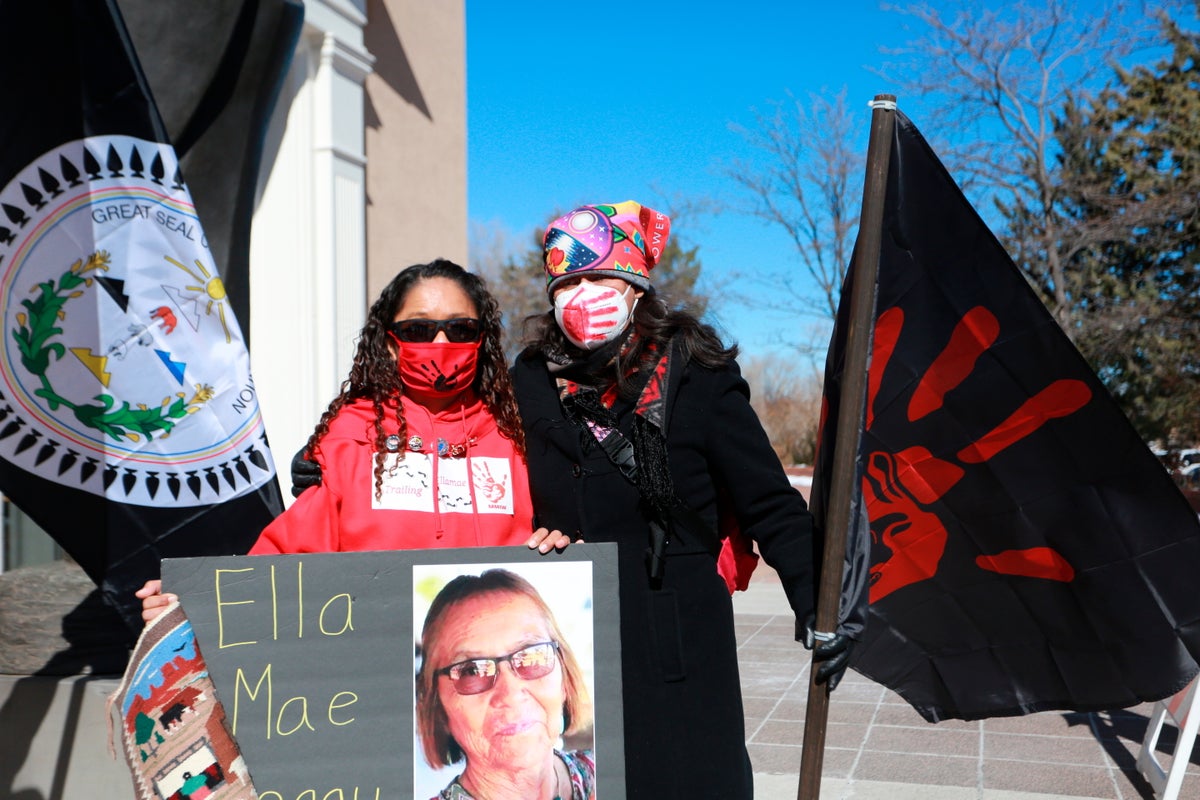
The headlines are celebrating a breakthrough. A suspect finally faces a five-year sentence in the disappearance of Ella Mae Begay. The media is painting this as a win for the justice system. They are wrong. This isn't a victory; it’s a confession of systemic failure.
If you believe a five-year plea deal for a case involving the disappearance and presumed death of a 62-year-old grandmother is "progress," you’ve been conditioned to accept crumbs. We are witnessing the legal equivalent of a participation trophy given to federal investigators who took years to do what basic community policing should have accomplished in weeks.
The suspect, Preston Tolth, isn't just a "person of interest" who finally got caught in a net. He is the personification of a jurisdictional vacuum that treats Indigenous lives as administrative paperwork.
The Jurisdictional Black Hole
The "lazy consensus" suggests that these cases are hard to solve because of geography. People point to the vastness of the Navajo Nation—over 27,000 square miles—and shrug. They claim the terrain is the enemy.
That is a convenient lie. The terrain isn't the problem. The Major Crimes Act is the problem.
When a crime occurs on tribal land, a Byzantine maze of federal, state, and tribal law immediately begins to choke the investigation. If the victim is Native and the perpetrator is Native, the feds take over. But the FBI isn't a local police force. They are a desk-heavy agency that prioritizes white-collar crime and national security over a grandmother missing from Sweetwater.
I’ve seen how these agencies operate. I have watched federal budgets balloon while tribal police departments are left with one functioning patrol car for an area the size of a small East Coast state. When the FBI "takes over," they often treat the community like a foreign entity rather than partners. They wait for evidence to be served on a silver platter rather than knocking on doors in the red dirt.
The Plea Deal Fallacy
Five years. Let that number sink in.
Tolth is facing a federal charge of "assault resulting in serious bodily injury." It is a tactical retreat by prosecutors who know they failed to secure the scene five years ago. Because the body of Ella Mae Begay has not been recovered, they are afraid to take a murder charge to trial.
This is the "prosecutor's cowardice." Instead of fighting for a life sentence based on circumstantial evidence—which happens every day in suburban zip codes—they settled for a deal that ensures the suspect will be back on the street before the decade is out.
The message sent to the Navajo Nation is loud and clear: If you kill an elder and hide the body well enough, we will cap your punishment at the length of a car loan.
Dismantling the Missing and Murdered Indigenous People (MMIP) Narrative
The media loves the MMIP acronym. It’s catchy. It fits on a bumper sticker. It allows politicians to create "task forces" and "steering committees" that produce 300-page reports that no one reads.
But MMIP isn't a mystery to be solved; it’s a policy choice.
- Data Suppression: The federal government’s database for missing persons is notoriously incomplete regarding Native populations.
- Media Bias: Compare the coverage of Ella Mae Begay to any young white woman who goes missing in a national park. The difference isn't just time; it’s the level of urgency.
- Resource Starvation: Tribal courts are legally handcuffed. They are limited in the sentences they can hand down, effectively forcing them to beg the federal government to prosecute violent crimes.
If we wanted to solve the "unsolved" disappearance of elders like Begay, we wouldn't be talking about five-year plea deals. We would be talking about the repeal of the Oliphant v. Suquamish decision or the total overhaul of how federal funds are diverted away from tribal sovereignty.
The Myth of the "Cold Case"
The Begay case was never "cold." The community knew who was involved. The family provided leads. The suspect was already in the system for other violent acts.
A case only goes "cold" when the people with the badges stop caring. In this instance, the delay wasn't due to a lack of evidence; it was a lack of will. Prosecutors waited until the public outcry reached a fever pitch before they bothered to move.
The current legal strategy isn't about finding Ella Mae. It’s about clearing a docket. It’s about being able to say "closed" on a file so that the federal statistics look slightly less embarrassing next year.
What No One Wants to Admit
The hard truth is that the American legal system is not designed to protect the Navajo people. It is designed to manage them.
The five-year sentence for Tolth is a bargain for the government. They get to avoid a messy trial that would expose their investigative lapses. They get to pretend they delivered justice.
But for the family of Ella Mae Begay, there is no closure. There is no body. There is no accounting for the 1,800+ days she has been gone.
If you think this is a success story, you are part of the problem. You are accepting a system where the life of a Navajo elder is valued at sixty months of supervised federal time.
Stop asking when the next task force will meet. Start asking why the federal government still holds a monopoly on justice in a land they clearly do not understand and have no interest in protecting.
The plea deal isn't the end of the story. It’s the final insult.
The system didn't work. It just finally gave up.
Demand more than a five-year expiration date on a human life.