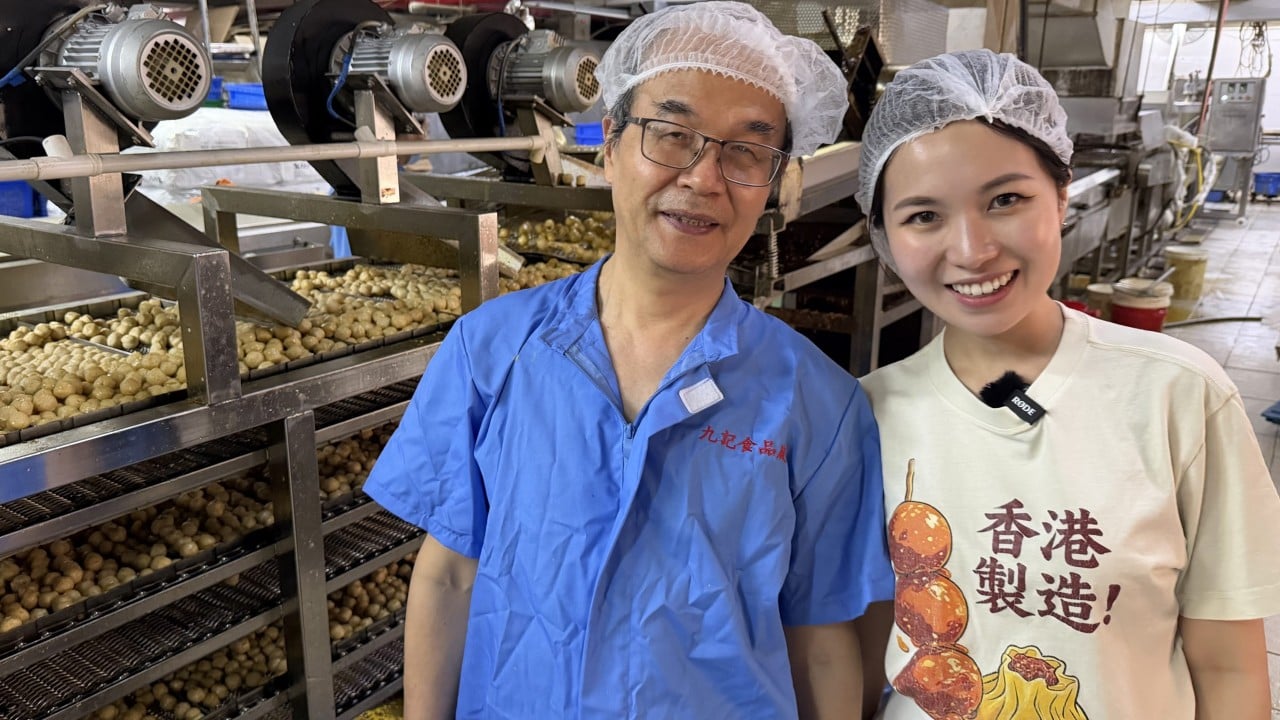
If you grew up in Hong Kong, you have eaten a fish ball made by Kau Kee. You just might not have known it until recently. For more than six decades, this institution operated strictly behind the scenes. They functioned as a wholesale factory supplying local street vendors, dai pai dongs, and noodle shops across the territory.
Then second-generation owner Anita Lee decided to flip the script. They opened their very first retail shopfront in Mong Kok.
For food historians and everyday locals alike, this is a massive deal. It marks the first time the public can buy these iconic fish balls straight from the source without visiting a middleman vendor. But why does a 66-year-old wholesale giant suddenly care about retail storefronts?
The Untold Power of Wholesale Legends
Most people assume the best street food spots in Hong Kong make every single component from scratch. The reality is far more centralized. A handful of legacy factories power the entire street snack ecosystem. Kau Kee sits at the very top of that pyramid.
For 66 years, their focus was pure industrial volume and consistency. They mastered the delicate science of texture. A proper Hong Kong fish ball demands a specific bounce, known locally as dan ah. Achieving that springy snap requires vigorous mixing of fresh fish paste to build the right protein bonds. Kau Kee relied on local catches like golden threadfin bream, bigeye snapper, yellowtail scad, hairtail, and lizardfish.
Workers spent decades perfecting this mechanical and manual rhythm. They supplied thousands of mom-and-pop stalls daily. Yet, the average consumer only knew the name of the noodle shop down the street, completely unaware that Kau Kee manufactured the star ingredient on their plate.
Breaking Tradition in Mong Kok
Moving into retail changes the dynamic entirely. Opening a shopfront on the bustling streets of Mong Kok means direct exposure to picky local eaters and curious tourists.
You aren't just selling to experienced vendors anymore. You are serving the public face-to-face. This shift reflects a broader survival tactic among legacy Hong Kong food manufacturers. Rent hikes, shifting consumer habits, and changing urban landscapes mean wholesale margins are tighter than ever. Direct-to-consumer retail cuts out the friction. It allows a historic brand to capture retail margins and build direct brand loyalty.
When you walk up to the new Kau Kee shop, the menu goes beyond standard yellow curry spheres. They serve up fish meat siu mai, bean curd skin rolls, and other classic street snacks that anchor Hong Kong’s afternoon tea culture. But the anchor remains the classic fish ball. Eating one straight from the factory's own retail kitchen hits differently. The texture is fresher, and the temperature is precisely controlled.
What Most People Get Wrong About Hong Kong Fish Balls
Visitors often think all street-level fish balls are identical. They assume it is just processed seafood smothered in heavy curry sauce.
That view misses the entire craft. The market splits into distinct categories. You have the bouncy, yellow, curry-soaked street variety. Then you have the smoother, white Chiu Chow-style fish balls usually found floating clear and naked in a savory broth. Kau Kee’s pivot proves that texture and pedigree matter to local consumers. People can taste the difference between mass-produced imported filler and legacy local craftsmanship.
If you want to experience this shift yourself, heading down to the Mong Kok shop is practically mandatory for any serious food lover visiting the city. Skip the sanitized food courts inside massive malls. Walk the busy streets, find the storefront, and order a skewer of what the city has quietly consumed for generations. Eat them hot off the stick while walking down the pavement, keeping napkins handy for the inevitable curry splash. That is how you taste the real history of the city.