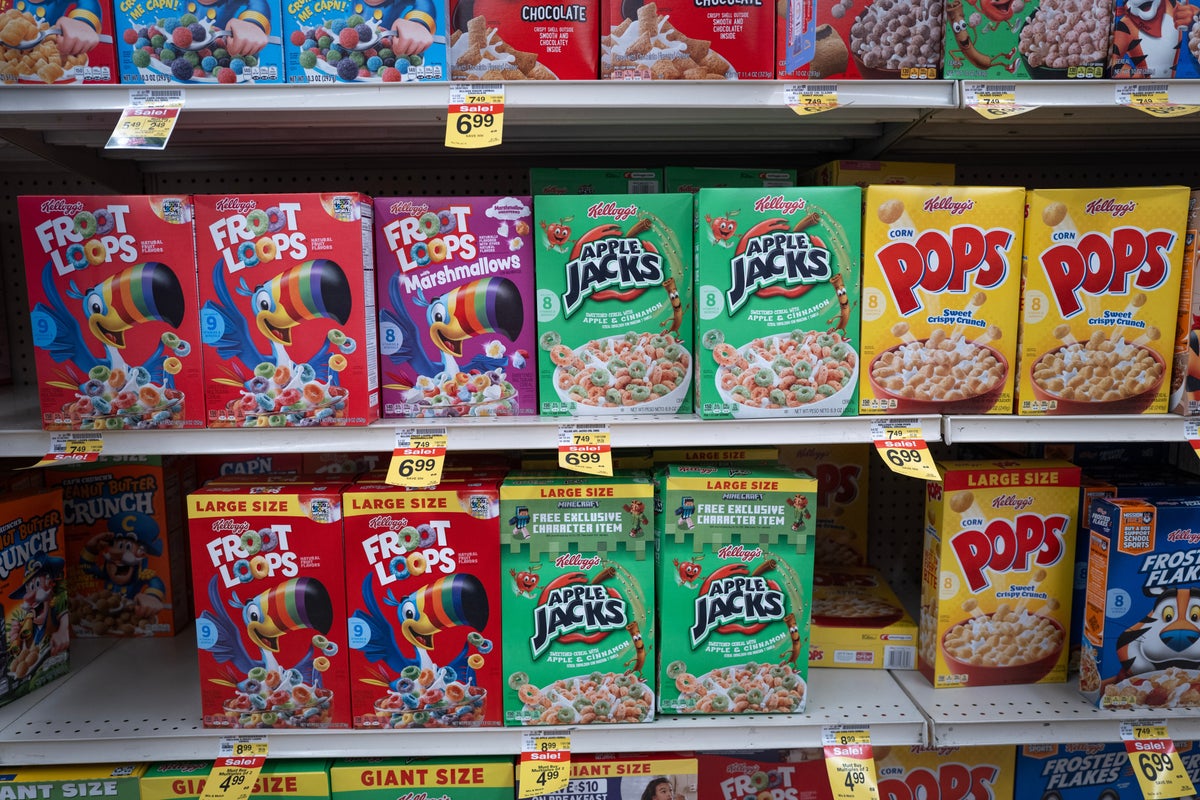
Breakfast cereal is a masterclass in chemical engineering disguised as a morning ritual. For decades, the bright blues, neon reds, and radioactive yellows powering childhood mornings relied on petroleum-derived synthetic dyes. Red 40, Yellow 5, Yellow 6, and Blue 1 became invisible architectural pillars of processed food. They anchored the illusion of fruit flavor in bowls of sugar-dusted grain. Now, the corporate machinery is shifting. Kellogg is pulling synthetic dyes from its cereals, joining a quiet stampede across the processed food sector to clean up ingredient decks.
The corporate spin frames this as a benevolent health awakening. Public relations departments love to talk about consumer wellness, transparency, and doing right by families. Do not buy it. Mega-corporations do not spend millions of dollars reformatting supply chains out of sudden ethical clarity. They move because regulatory pressure is mounting, consumer trust in synthetic additives has cratered, and international markets have effectively banned the stuff.
Yet replacing synthetic dyes with natural alternatives is not a simple swap. It is an industrial tightrope walk. Natural pigments are notoriously unstable. They fade under store lights, react poorly to heat, and transform into unappetizing shades of gray when exposed to the acidic environments of processed grains. The corporate transition away from artificial colors in cereal exposes the messy reality of what happens when big food tries to look wholesome without losing its shelf life.
The Chemistry of Color Manipulation
To understand why removing Red 40 is an operational nightmare, you have to look inside a food science laboratory. Synthetic dyes are cheap, predictable, and virtually indestructible. Drop a gram of FD&C Yellow 6 into a vat of corn flour slurry, and it will survive high-temperature extrusion, prolonged baking, and months sitting in a humid pantry without losing a fraction of its intensity.
Natural colors operate under entirely different physical laws. Sourced from turmeric, beet juice, spirulina, annatto, and anthocyanins extracted from purple carrots or cabbage, these compounds are fragile. They are alive, or at least they used to be, which means they degrade.
Expose a cereal colored with spirulina extract to direct sunlight through a grocery store shelf, and the blue fades within weeks. Heat it past a specific threshold during the puffing process, and it turns brown. Formulate a cereal with a high moisture content, and those natural pigments will oxidize, leaving behind an aesthetic disaster that no parent will buy for their children.
Food scientists working on the Kellogg transition have spent years wrestling with these variables. They are not just finding new ingredients; they are rewriting the physics of food preservation. Encapsulating natural pigments in lipid or starch matrices helps shield them from oxygen and light, but every layer of protection adds cost and complexity to the manufacturing line.
The Regulatory Squeeze and Global Realities
Pressure is coming from all directions, but the most acute threat is regulatory divergence. The European Union has long required warning labels on foods containing certain synthetic dyes, effectively freezing them out of major European markets. Companies like Kellogg have maintained dual supply chains for years, manufacturing one version of a cereal for London and an entirely different, petroleum-tinted version for Louisville.
Maintaining dual supply chains is inefficient. As regulatory scrutiny in North America intensifies—with various state legislatures introducing bills to ban specific synthetic dyes entirely—the writing on the wall became impossible to ignore. It is cheaper in the long run to standardize the portfolio globally around natural ingredients than to fight an escalating series of state-level bans and consumer lawsuits.
The transition also aligns with a broader shift in grocery retail. Major supermarket chains are rolling out internal standards that penalize artificial ingredients, effectively locking non-compliant brands out of prime shelf space. When the buyers holding the keys to national distribution decide they no longer want Red 40 in the cereal aisle, the product developers have to move fast.
The Financial Burden of Going Clean
Clean labels carry a heavy price tag. Synthetic dyes cost pennies per pound. Natural alternatives can cost ten to one hundred times more, depending on the source material and the global supply for crops like turmeric or specific strains of spirulina.
When you scale that across billions of boxes of cereal sold annually, the margin compression is staggering. Companies face a stark choice. They can absorb the higher ingredient costs and watch their operating margins shrink, or they can pass the cost onto the consumer through subtle price increases or shrinking box sizes.
There is also the risk of supply chain volatility. Synthetic dyes are synthesized in chemical plants with predictable output. Natural dyes rely on agriculture. A bad harvest for turmeric in India or purple carrots in Europe ripples directly through the food manufacturer's supply chain, threatening production schedules and inflating procurement costs overnight. When a drought hits an agricultural region supplying a critical pigment, a cereal manufacturer cannot simply dial up a chemical plant to bridge the gap.
Consumer Perception Versus Commercial Reality
Shoppers scan ingredient labels for red flags. They want shorter lists, pronounceable words, and a reassuring sense of familiarity. When a box of cereal proudly proclaims that it uses colors from natural sources, it triggers an immediate psychological halo effect. Consumers assume the entire product is inherently healthier, even if the sugar content remains unchanged.
This creates a fascinating marketing paradox. Cereal remains a heavily processed, carbohydrate-dense, sugar-forward product. Stripping out an artificial dye does not alter the nutritional architecture of a product built on refined grains and added sweeteners. Yet, the aesthetic upgrade acts as a powerful shield against criticism. It allows brands to market a cleaner image while keeping the core formulation largely intact.
The real test will happen in the cereal aisle over the next few years. Children are notoriously sensitive to visual cues. If a fruit-flavored loop looks slightly less vibrant, or if the color shifts subtly from batch to batch due to the instability of natural extracts, kids notice. Brand loyalty in childhood is fickle, and the visual appeal of a breakfast bowl has always been part of the hook.
Food companies are betting that parents, driven by a desire for cleaner pantries, will overlook these minor aesthetic inconsistencies. They are banking on the idea that a slightly more muted shade of yellow is a fair trade for marketing copy that reassures them they are feeding their families something closer to nature.
The era of petroleum-derived breakfast color is drawing to a close, not out of corporate philanthropy, but because the economics of synthetic additives no longer pencil out in a changing regulatory and retail landscape. The boxes on the shelf will look different by the end of the year, but the industrial machinery behind them remains focused on the bottom line.