You can't just slap your name on a national monument because you stacked the board. That is basically the message a federal court sent to the White House, and now the internal fallout is getting messy.
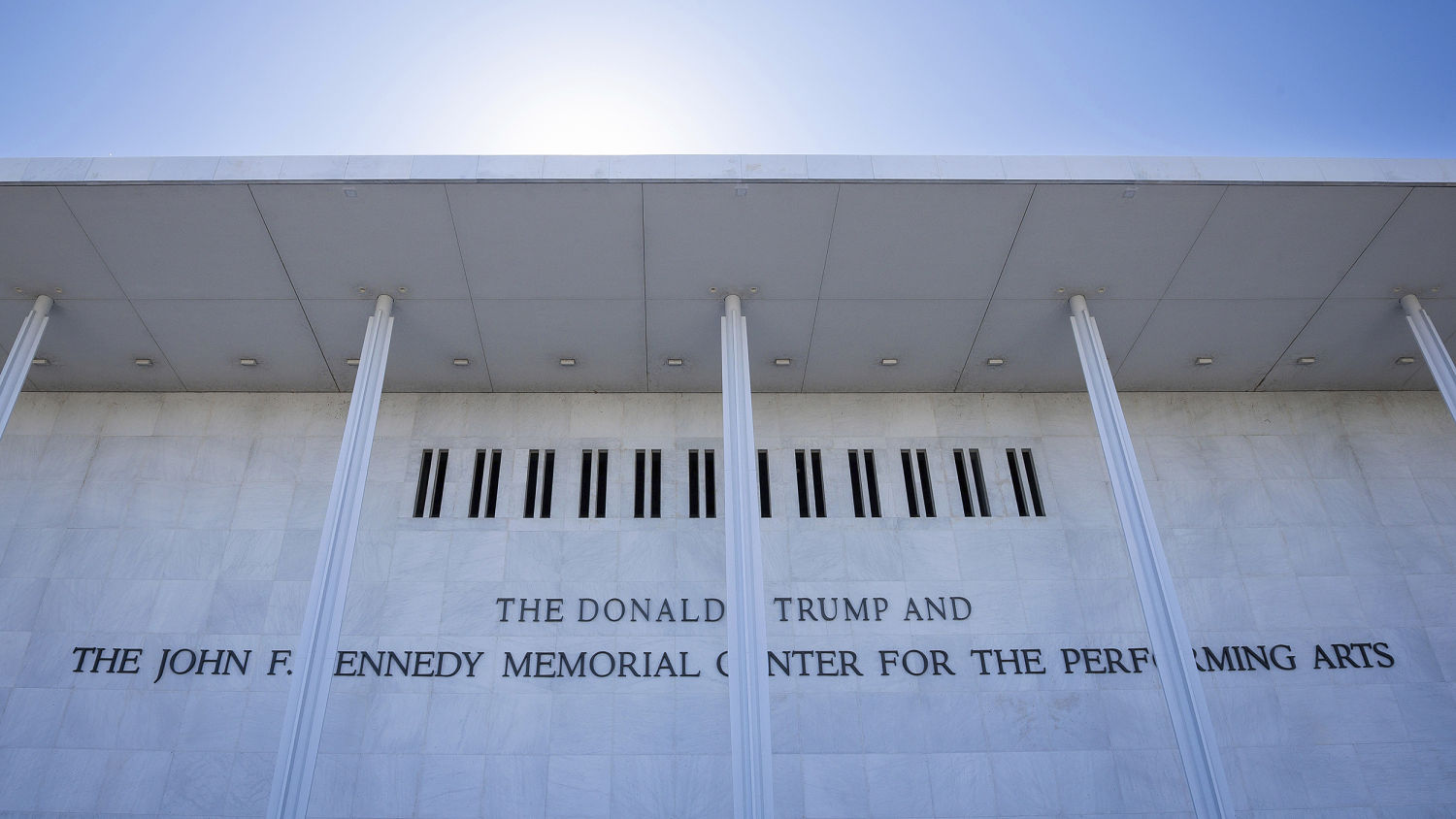
The John F. Kennedy Center for the Performing Arts is officially scrubbed of Donald Trump’s name. A three-page internal memo from the center’s Office of General Counsel leaked out, giving staff an ultimatum. Employees must swap out email signatures, digital assets, and letterhead immediately. They have until June 12 to pull down physical signs, throw away brochures, update ID cards, and clean up the website. Meanwhile, you can find similar stories here: The Two-Tier Policing Myth: Why the US-UK Spat Ignores the Real Crisis in Law Enforcement.
The frantic rush to undo a renaming project shows just how fast things can unravel when politics bumps into federal law.
The Six Day Clock and the Legal Reality
This panic started when U.S. District Judge Christopher Cooper dropped a 94-page bomb on the board’s recent branding experiments. The judge noted that Congress was explicit back in 1964. They renamed the National Cultural Center to honor John F. Kennedy after his assassination. It was legally designated as a living memorial. To see the complete picture, we recommend the detailed analysis by USA Today.
The current board, stuffed with presidential allies after an aggressive purge of Biden appointees, thought they found a loophole. They voted to change the moniker to "The Donald J. Trump and The John F. Kennedy Memorial Center for the Performing Arts."
Judge Cooper didn't buy it. His ruling cut through the noise with a simple truth. Congress gave the building its name. Only Congress can take it away. The board operates the space, but they don't own the history.
What makes this embarrassing for the administration is the paper trail. The Justice Department had to admit in court filings that the shiny new Trump signage went up almost instantly after the December board vote. It was bought and paid for before the trustees even sat down to vote. That lack of subtlety didn’t look great to a federal judge.
Chaos Over the Two Year Shutdown
The name change is only half the problem. The internal memo also had to deal with the absolute mess surrounding the center's calendar.
The board previously rubber-stamped a plan to shut down the entire venue for two years starting in July for a $257 million renovation. Judge Cooper frozen that shutdown too. He called the decision ill-informed and preordained, pointing out that the trustees didn't even look at how a total closure would wreck the center's legal obligation to provide arts programming.
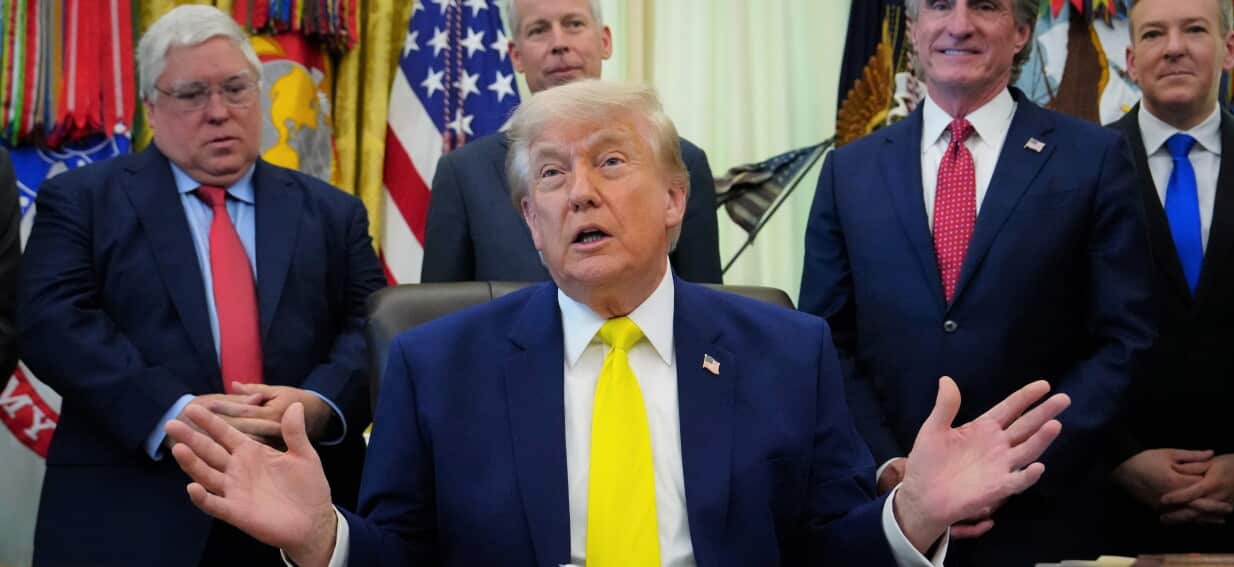
Trump didn’t take the loss quietly. He went to social media, calling the judge an "anti Trump Hater" and claiming the center is a dying, structurally unsafe institution with rotting beams and failing parking lots. Then he took his ball and went home, announcing he wants the Department of Commerce to dump the venue's operations right back into the lap of Congress.
"Unless I am free to do what I do better than anyone else, bring this Institution back, physically, financially, and artistically, I have no interest in continuing what could only be a hopeless journey," Trump posted.
The Broader Push to Remake Washington
To understand why this legal fight matters, look at the other construction projects happening around the National Mall. This isn't an isolated argument over a lobby sign. It is part of a massive, systematic effort to rewrite the aesthetic of the capital city.
While the Kennedy Center fight dragged on, the administration wrapped up a complete overhaul of the Lincoln Memorial Reflecting Pool, coloring the concrete floor a deep shade described as "American flag blue." Down the street, crews demolished the White House East Wing to make room for a massive 90,000-square-foot ballroom. Plans are also moving forward for a 250-foot ceremonial arch bridging the gap between the Lincoln Memorial and Arlington National Cemetery.
While those projects face their own active legal challenges, federal appeals courts have allowed work on the White House ballroom to keep moving. The Kennedy Center is the first spot where the legal guardrails actually held.
What Happens Next for the Institution
If you work at the center, the next week is going to be miserable. The internal legal team is demanding a total audit of every single piece of paper, digital asset, and physical wall in the building. They even asked employees to flag obscure references the lawyers might have missed.
Here is what needs to happen to get the institution back on track.
- Audit Digital Assets Immediately: Every single departmental webpage, ticket portal, and automated email receipt needs to revert back to "The John F. Kennedy Center for the Performing Arts."
- Replan the Renovation Timeline: Because the court blocked the blanket two-year shutdown, administrators must work with contractors to design a phased renovation plan. Construction needs to happen while keeping the doors open to the public.
- Resolve the Budget Hole: With the administration threatening to walk away from managing the venue, internal leadership needs to coordinate directly with congressional oversight committees to secure emergency operational funding.
The institution's public relations team says they are complying with the court order while studying further legal options. But with the administration publicly washing its hands of the venue, the board's grand plan for a cultural overhaul is officially dead in the water.
Judge blocks closure of Kennedy Center, orders removal of Trump's name
This broadcast details the immediate aftermath of the federal court ruling, highlighting the specific legal requirements imposed on the venue's leadership to dismantle the controversial signage.