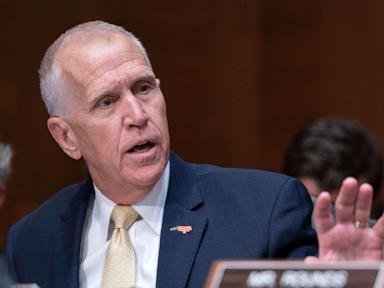
The gridlock at the Federal Reserve just snapped. For weeks, the confirmation of Kevin Warsh as the next Fed Chair was stuck in a political mudfight that had nothing to do with his economic theories and everything to do with a DOJ probe into Jerome Powell. That logjam officially cleared on Sunday when Senator Thom Tillis, the North Carolina Republican who was single-handedly holding up the process, announced he’s ready to move forward.
If you’ve been following the drama, you know this wasn't about Warsh’s resume. Tillis wasn't questioning Warsh's credentials or his time as a Fed governor. He was using his leverage to stop what he called a "bogus investigation" into Jerome Powell’s management of building renovations. Tillis viewed the criminal probe as a weaponized attempt by the Trump administration to bully the Fed into cutting rates. Now that the Justice Department has dropped the case, the path to the most powerful job in global finance is wide open.
The DOJ Retraction that Changed Everything
Tillis made his stance clear on "Meet the Press." He isn't just "okay" with Warsh anymore; he's ready to fast-track him. The shift happened because the DOJ, led by U.S. Attorney Jeanine Pirro, backed off the Powell investigation on Friday. Pirro’s team had been digging into a $2.5 billion renovation project, but a federal judge recently slapped down their subpoenas, calling the whole thing an improper move to force Powell out.
"I am prepared to move on with the confirmation of Mr. Warsh," Tillis said. He’s been assured the investigation is "completely and fully ended." While there’s an appeal in the works, it’s apparently a technicality about subpoenas, not a way to reopen the criminal case. For Tillis, that’s enough to stop playing defense for Powell and start playing offense for Warsh.
Why Kevin Warsh is Trump's Chosen Fixer
Trump wants a different kind of Fed. He’s been vocal about wanting lower interest rates and a leader who doesn't treat the central bank like a secular temple. Warsh fits the bill because he’s a supply-side guy who thinks the Fed has overstepped its bounds.
During his confirmation hearing last Tuesday, Warsh laid out a vision that sounds a lot like "Fed Lite." He wants to narrow the mandate, focus strictly on price stability, and stop the Fed from wading into climate change or social policy. He’s also bullish on AI-driven productivity, arguing that if technology makes us more efficient, we don't need to fear inflation as much. That’s music to the ears of a White House looking for any excuse to keep the easy money flowing.
Addressing the Sock Puppet Allegations
Democrats, led by Elizabeth Warren, aren't buying the independence act. They’ve labeled Warsh a "sock puppet" for the President. It’s a harsh term, but it stems from Warsh’s openness to "cooperating" more closely with the Treasury. Traditionally, the Fed and the Treasury are like church and state. Warsh wants to blur those lines a bit on non-monetary policy issues.
Tillis, interestingly, defended Warsh’s independence. He predicts Trump might even get annoyed with Warsh once or twice. It’s a fair point—the Fed Chair only gets one vote on the Federal Open Market Committee. Even if Warsh wants to do Trump’s bidding, he has to convince 11 other people who aren't necessarily on the same page.
The Tight May 15 Deadline
We’re in a race against the clock. Jerome Powell’s term as Chair expires on May 15. That’s less than three weeks away. The Senate Banking Committee needs to vote, and then the full Senate has to follow suit. Normally, this process takes months. Tillis thinks they’ll get there, but any hiccup in the next ten days could leave the Fed without a permanent leader.
If the clock runs out, Powell has already said he’ll stick around as an interim chair. He’s also made it clear he isn't leaving the Board of Governors entirely until he’s satisfied the investigations are dead and buried. So, even if Warsh gets the big seat, Powell will be sitting just down the hall for another year and a half, watching every move.
What This Means for Your Money
If you’re waiting for a rate cut, the Warsh era might be your best bet. He’s skeptical of the current inflation models and seems more willing to experiment with lower rates to see if AI productivity can carry the weight. But don't expect a total capitulation to the White House. Warsh is an institutionalist at heart, and he knows that if he destroys the Fed's credibility, the "gold standard" of the U.S. financial system goes with it.
The next few days will be a flurry of committee votes and floor debates. Keep an eye on the Senate schedule. If the vote happens before the upcoming recess, Warsh is in. If it slips, we’re looking at a messy transition with two Chairs effectively in the same building.
Watch the Treasury yields this week. The market hates uncertainty, and Tillis just removed a huge chunk of it. With the political roadblock gone, the "Warsh Fed" is no longer a "maybe"—it's a "when."