The collapse of the mid-June memorandum of understanding (MOU) between the United States and Iran demonstrates the structural failure of loosely written strategic agreements. President Donald Trump's declaration that the three-week-old ceasefire is "over" while simultaneously agreeing to continue "talks" is not a contradictory stance. Instead, it reflects a calculated shift toward a framework of negotiation under fire. This strategic posture attempts to decouple diplomatic communication from military restraint, leveraging kinetic strikes to alter the adversary's baseline cost function during ongoing mediation.
The breakdown of the interim truce did not occur in a vacuum. It was the direct result of asymmetric interpretations of the MOU's core clause: control and transit rights within the Strait of Hormuz. By examining the operational friction, strategic leverage points, and structural constraints acting on both Washington and Tehran, we can map the trajectory of this renewed escalation.
The Asymmetric Interpretation Bottleneck
The foundational flaw of the June framework lay in its constructive ambiguity regarding the Strait of Hormuz. A sustainable ceasefire requires symmetrical compliance mechanisms. The text failed to establish these, leading to two diametrically opposed operational mandates:
- The United States Baseline: Washington interpreted the MOU as a restoration of traditional freedom of navigation under international law. In exchange for lifting its naval blockade of Iranian ports, the US expected unhindered commercial transit through the waterway.
- The Iranian Baseline: Tehran viewed the agreement as a tacit acknowledgement of its de facto operational control over the strait. The Islamic Revolutionary Guard Corps (IRGC) sought to codify a new status quo, establishing the right to regulate traffic and potentially levy transit fees on commercial vessels.
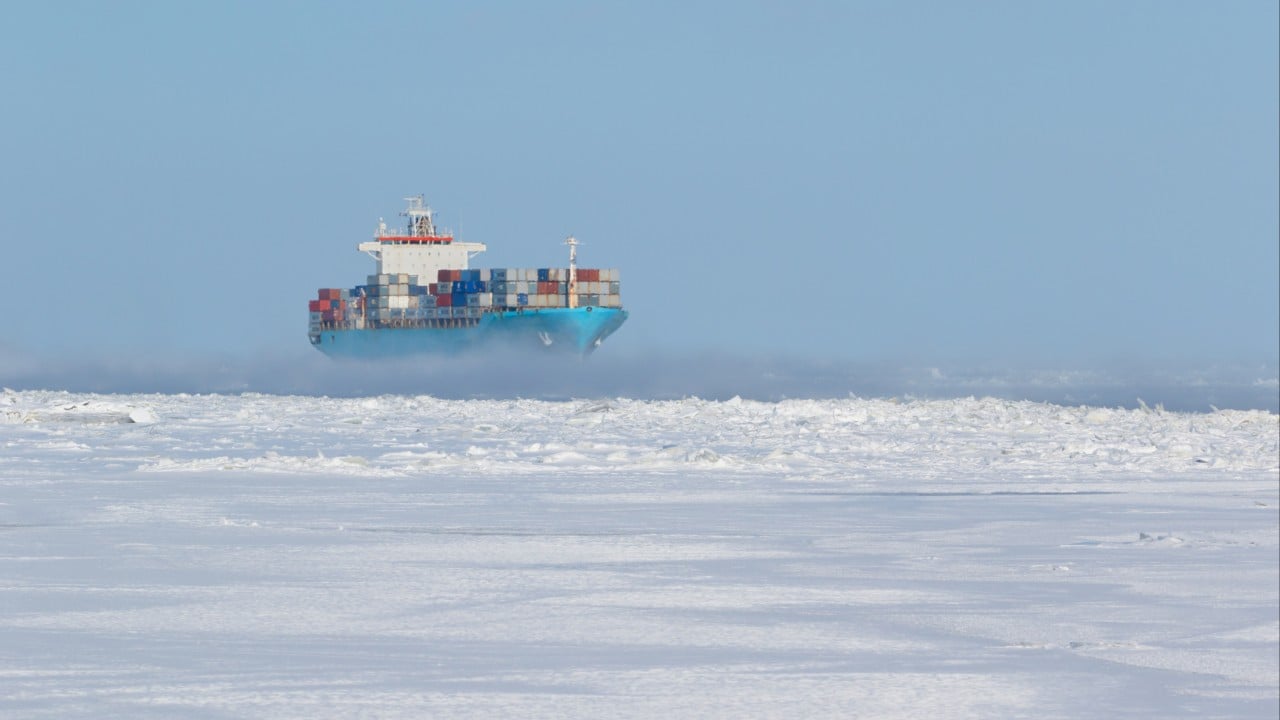
This conceptual divergence made kinetic friction inevitable. When Iran acted on its perceived mandate by targeting commercial tankers—including Qatari and Saudi vessels—it violated Washington’s red lines. The subsequent US response, hitting over 160 targets including radar networks and transport infrastructure, was designed to re-establish deterrence. However, Iran’s immediate counter-strikes on US assets in Kuwait, Bahrain, and Jordan proved that Tehran’s escalation ladder is fully operational and integrated.
The Cost Function of Regional Escalation
Both states are operating under strict domestic and economic boundaries that limit their capacity for prolonged, conventional warfare. This creates a highly volatile tactical environment where both sides use maximum violence within narrow parameters.
[Iranian Maritime Interdiction] ──> [US Kinetic Attrition] ──> [Iranian Regional Counter-Strikes]
            │                                                                 │
            ▼                                                                 ▼
   (Hormuz Bottleneck)                                               (US Regional Bases)
The US Electoral and Energy Constraint
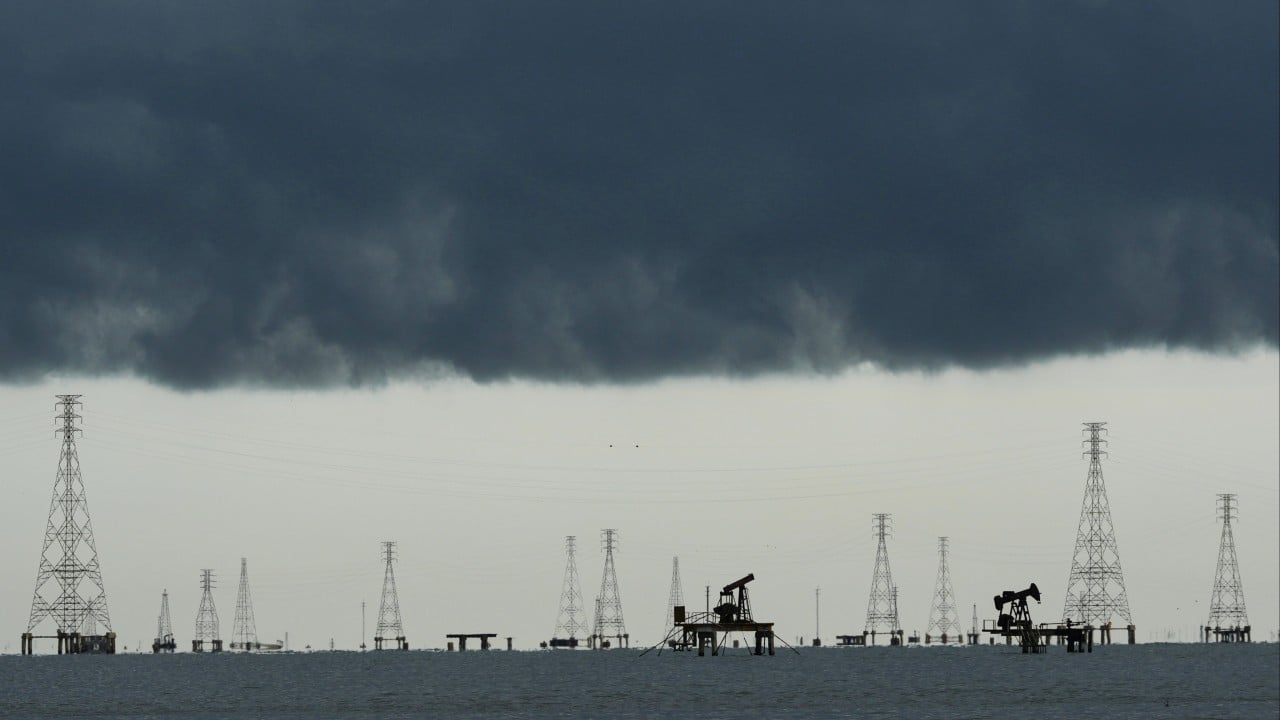
The White House faces a delicate economic balancing act. A full-scale regional conflict threatens to disrupt shipping lanes through which one-fifth of global oil and natural gas transits. The resulting spike in crude prices would trigger immediate domestic inflationary pressures. For an administration focused on domestic economic metrics, a prolonged spike in energy costs is a prohibitive political penalty. Consequently, US military actions are structured as high-intensity, short-duration attrition strikes rather than a sustained campaign. The objective is swift degradation of coastal defense infrastructure without triggering a total shutdown of the strait.
The Iranian Domestic Legitimacy Constraint
Conversely, Iran's leadership faces its own structural pressures. Following the death of Supreme Leader Ayatollah Ali Khamenei earlier this year, the regime is navigating a sensitive internal transition. The current leadership must project absolute resolve to its domestic hardline factions and regional proxy networks. Yielding to US kinetic pressure without retaliating would signal structural vulnerability. Therefore, Iran’s strategy relies on demonstrating that any strike on its mainland will incur an equal cost to US infrastructure in the Gulf, utilizing its geographic proximity to American forward bases as a counter-weight to US technological superiority.
The Mechanics of Indirect Mediation
With formal communication channels severed, the burden of de-escalation falls on regional intermediaries, specifically Qatar and Oman. The arrival of a Qatari delegation in Mashhad emphasizes Doha's specialized role as a diplomatic shock absorber.
This mediation apparatus operates via a dual-track stabilization mechanism:
- Technical De-confliction: Addressing the immediate tactical triggers by establishing explicit boundaries for commercial transit zones and defining what constitutes hostile behavior in the maritime corridor.
- MOU Calibration: Attempting to retroactively insert specific, unambiguous language into the June agreement to address the structural omissions regarding territorial waters and transit rights.
The limitation of this mediation framework is that it operates under continuous kinetic risk. Unlike traditional diplomacy, where negotiations occur during a cessation of hostilities, this model requires negotiators to manage terms while both principals actively update their target lists.
Strategic Realignment
The primary strategic consequence of this escalation cycle is the abandonment of expansive geopolitical objectives. The initial, grand ambitions of achieving total nuclear disarmament or systemic regional regime change have been sidelined by immediate operational realities.
The immediate tactical priority for both administrations has compressed down to a single variable: the operational status of the Strait of Hormuz. The conflict has transformed into a localized, highly intense contest over maritime sovereignty and economic leverage.
Going forward, expect the United States to maintain a high-readiness naval and air posture in the Gulf, utilizing targeted kinetic responses to counter any Iranian maritime interdictions, while bypassing the restrictions of a formal ceasefire. Iran will likely continue its strategy of calculated, asymmetric harassment in the shipping lanes to preserve its primary economic lever, using indirect Qatari and Omani channels to prevent the friction from expanding into a broader conventional war. This creates a highly volatile equilibrium where diplomatic progress is measured not by comprehensive treaties, but by the daily, unhindered transit of commercial tonnage through the world's most critical chokepoint.