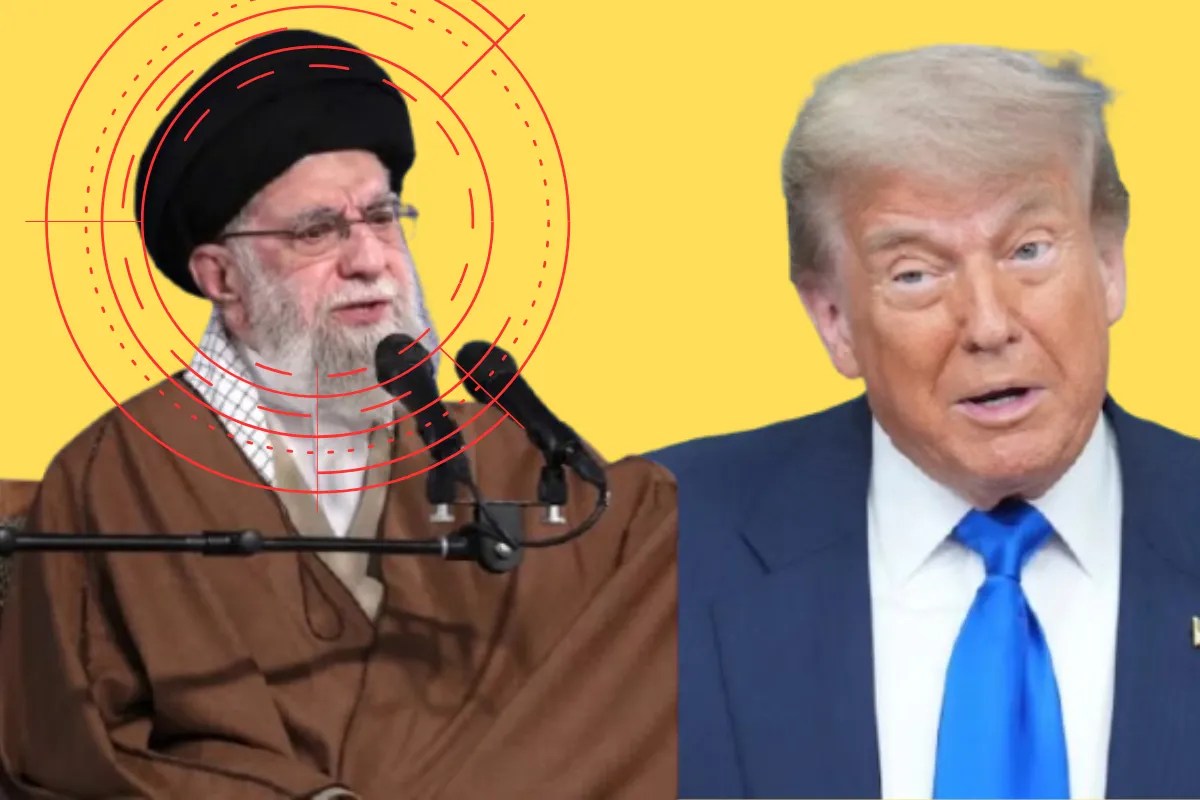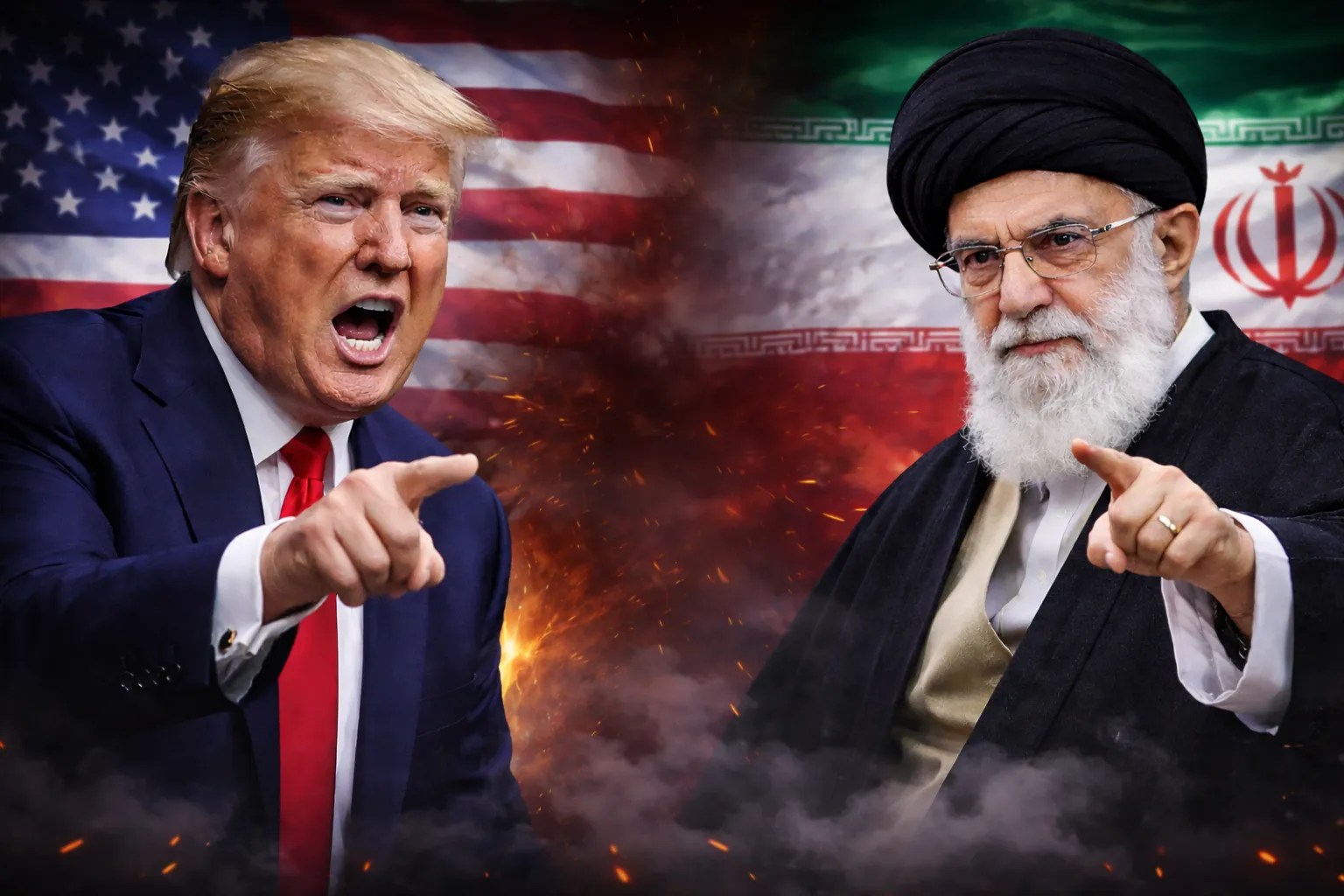
The assumption that peace was "within reach" prior to the recent escalation between the United States, Israel, and Iran ignores the fundamental structural divergence in the strategic objectives of the involved actors. Diplomatic proximity is often a byproduct of tactical pausing rather than a shift in long-term geopolitical calculus. When military action—kinetic interdiction—is applied during a period of perceived negotiation, it is rarely a random disruption. Instead, it represents a calculated recalibration intended to reset the baseline of a conflict that had reached a state of stagnant, high-risk equilibrium.
To understand why the transition from diplomacy to strike occurs, we must analyze the interaction between three specific variables: the Threshold of Nuclear Latency, the Proxy Attrition Rate, and the Domestic Political Survival Function. Expanding on this topic, you can also read: Why the Green Party Victory in Manchester is a Disaster for Keir Starmer.
The Mechanics of Diplomatic Stagnation
Diplomacy between adversarial states like the US and Iran does not operate on a linear path toward "peace." It operates on a cycle of de-escalation intended to buy time. For Iran, the primary objective is the preservation of the regime and the expansion of its regional influence through the "Axis of Resistance." For the US and Israel, the objective is the containment of that influence and the absolute prevention of a nuclear-armed Tehran.
The "Peace within reach" narrative usually stems from a misinterpretation of Strategic Signaling. When Iran slows its enrichment of uranium to 60% or engages in indirect talks in Oman, it is not necessarily signaling a desire for a final settlement. It is often managing its Sanctions Pressure Gradient. If the pressure becomes high enough to threaten internal stability, the regime utilizes diplomatic overtures as a pressure release valve. Experts at The Washington Post have shared their thoughts on this situation.
The breakdown occurs when the cost of diplomacy exceeds the cost of kinetic action. This transition is governed by the Intervention Logic Framework:
- The Credibility Gap: If a red line (such as the death of US service members or a specific enrichment milestone) is crossed without a kinetic response, the deterrent value of the US military drops to zero.
- The Intelligence Window: Military strikes are often dictated by the "perishability" of intelligence. If a high-value target or a specific shipment of advanced weaponry is identified, the tactical benefit of destroying it may outweigh the diplomatic cost of the resulting escalation.
- The Escalation Dominance Search: Israel, in particular, operates under the doctrine that it must maintain "escalation dominance." This means ensuring that at every level of conflict—from cyber warfare to conventional strikes—Israel can inflict more damage than it receives, thereby forcing the opponent to de-escalate first.
Mapping the Triad of Strategic Friction
The escalation in the region is not an isolated event but the result of three intersecting pillars of friction that made a diplomatic breakthrough mathematically improbable.
I. The Nuclear Latency Variable
The most critical factor is the status of Iran’s nuclear program. In a standard diplomatic framework, "peace" involves a return to a monitored agreement. However, the technical knowledge gained by Iranian scientists regarding advanced centrifuges (IR-6 models) and metalization is irreversible.
The Nuclear Breakout Clock is the primary driver of Israeli military timing. If the estimated time to produce enough weapons-grade uranium (WGU) for a single device drops below a certain threshold—currently estimated in weeks rather than months—the diplomatic window effectively closes. At this point, any further negotiation is viewed by Israeli defense planners not as a path to peace, but as a "diplomatic shield" used by Tehran to finalize its nuclear capability.
II. The Proxy Network and the "Ring of Fire"
The US and Israel do not view Iran as a singular state actor, but as the hub of a decentralized network. The "Ring of Fire" strategy involves encircling Israel with high-precision rockets and drone capabilities via Hezbollah in Lebanon, militias in Iraq and Syria, and the Houthis in Yemen.
A diplomatic agreement that addresses only the nuclear program while ignoring the Regional Missile Proliferation is viewed as a strategic failure by Jerusalem. The recent strikes on Iranian assets in Syria and Iraq were designed to disrupt the "Land Bridge" that facilitates the flow of components for precision-guided munitions (PGMs).
The cause-and-effect relationship missed by many observers is that kinetic strikes on proxy infrastructure are a direct response to the Technological Leveling of those proxies. When a non-state actor like the Houthis gains the ability to disrupt 12% of global maritime trade in the Red Sea, the "diplomatic reach" is invalidated by the immediate economic and security costs.
III. The Domestic Political Survival Function
The timing of military intervention is frequently synchronized with domestic cycles. In Iran, the transition of power and the influence of the IRGC (Islamic Revolutionary Guard Corps) create a landscape where "moderate" diplomatic signals are often countered by "hardline" kinetic provocations to ensure the security apparatus remains funded and relevant.
In the US and Israel, the political cost of being perceived as "weak" on Iran during an election cycle or a period of internal social unrest provides an incentive for high-visibility military actions. These are not distractions; they are affirmations of a state’s primary duty: the provision of security.
The Cost Function of Kinetic Engagement
When the US and Israel strike Iranian targets, they are performing a high-stakes calculation of Marginal Utility. The strike must be significant enough to degrade capability but calibrated enough to avoid triggering a regional conflagration that would require a full-scale ground invasion—a scenario neither Washington nor Tehran currently desires.
We can quantify the impact of these strikes through three metrics:
- Operational Attrition: The physical destruction of radar systems, drone factories, and command centers. This forces Iran to divert funds from offensive expansion to defensive rebuilding.
- Intelligence Exposure: Successful strikes within Iranian territory or on high-level IRGC commanders signal a deep penetration of Iran’s internal security. This creates "Systemic Paranoia," leading to internal purges and a slowdown in decision-making.
- Deterrence Restoration: The primary goal is to shift the "Risk-Reward Ratio" for the adversary. If the cost of launching a drone at a US base is the destruction of a billion-dollar refinery or a naval asset, the adversary is forced to reconsider the utility of the proxy attack.
The Structural Failure of Modern Diplomacy
The reason peace remains elusive is that the current diplomatic model is built on Assumed Rationality—the idea that both sides want the same thing (stability). In reality, the Iranian regime views regional instability as a tool for expansion, while the US and Israel view stability as the preservation of the status quo. These are mutually exclusive goals.
The failure of the JCPOA (Joint Comprehensive Plan of Action) and subsequent attempts to revive it highlights a fundamental "Bottleneck of Trust."
- Verification Limits: No inspection regime can account for "hidden" sites or the rapid relocation of centrifuge cascades.
- Sunset Clauses: Temporary restrictions on nuclear activity eventually expire, meaning a diplomatic solution is often just a delayed conflict.
- Sanctions Circumvention: The emergence of a "shadow fleet" and alternative payment systems with actors like China has reduced the efficacy of the US dollar as a diplomatic lever.
This creates a scenario where military force becomes the only remaining "credible" language in the eyes of the participants. When the US and Israel attacked Iranian interests, they were essentially declaring that the Diplomatic Return on Investment (ROI) had turned negative.
The Strategic Path Forward
The situation is moving toward a Phase Shift in Regional Security. The era of "Shadow Wars" is being replaced by a more overt, kinetic confrontation. For any entity—state or corporate—operating in this environment, the strategic play is no longer to wait for a return to the 2015 status quo, but to adapt to a "Permanent High-Tension" model.
The next tactical evolution will involve the Mass Deployment of Autonomous Systems. As Iran increases its drone production, Israel and the US will likely shift toward AI-driven interception and "Left-of-Launch" cyber operations. This moves the conflict into a realm where human diplomacy has even less time to react.
The strategic recommendation for regional stakeholders is a transition toward Redundant Supply Chains and Hardened Infrastructure. The volatility is not a bug in the system; it is the new system. Expect a continued cycle of "Targeted Decapitation" strikes followed by asymmetric proxy responses. The goal is no longer to reach a peace treaty, but to manage a "Cold War" that occasionally turns hot to prevent it from turning nuclear.
The immediate move for the US and its allies will be the formalization of a Regional Air Defense Alliance. By integrating the radar and interceptor systems of the Gulf States with Israeli and US assets, the "Proxy Attrition Rate" can be maximized while minimizing the risk to civilian populations. This creates a "Strategic Shield" that forces Tehran back to the negotiating table, but from a position of significantly diminished leverage.