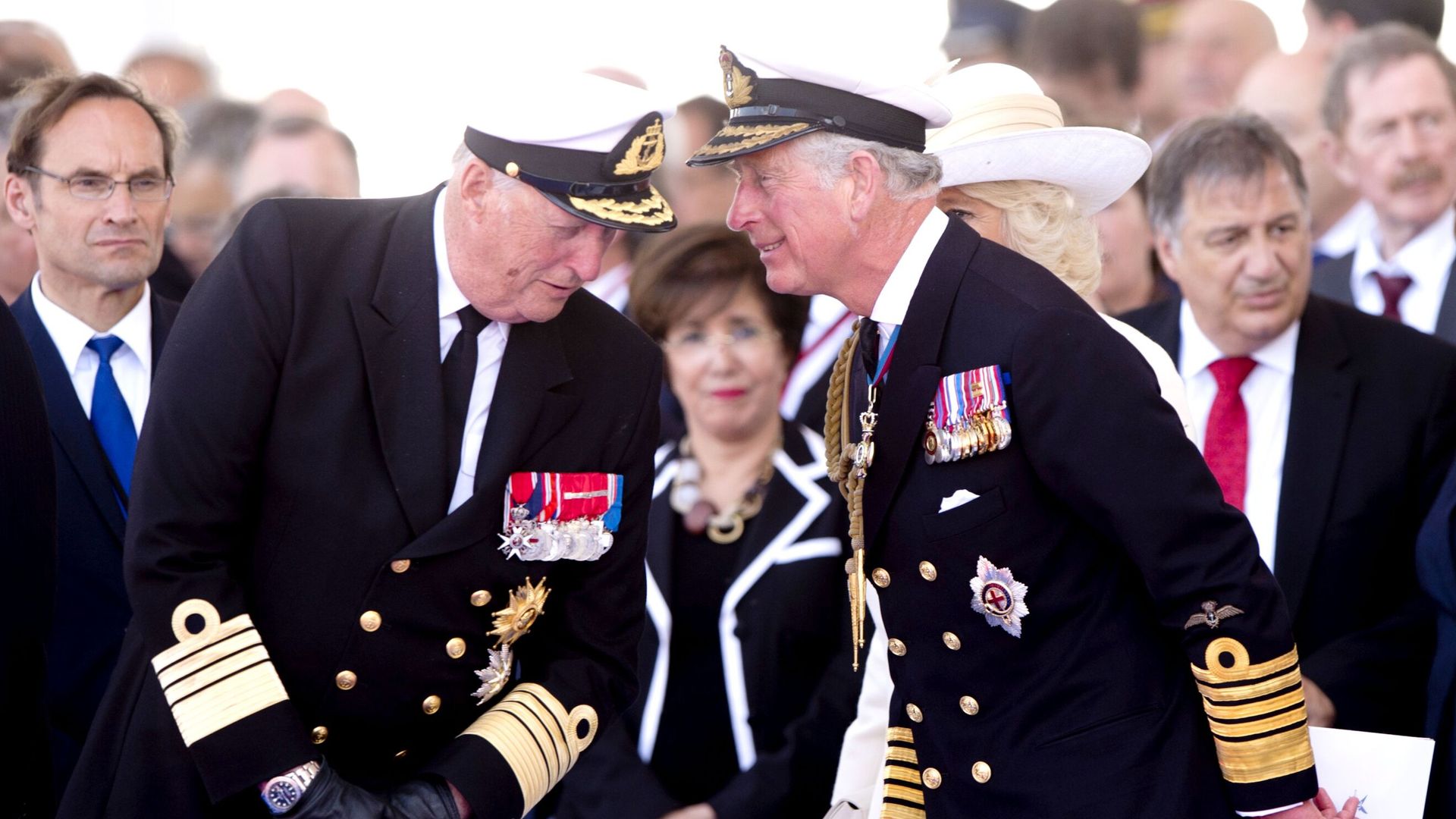
Most hereditary rulers spend their lives hiding behind velvet ropes, ancient protocols, and centuries of inherited stiffness. They treat tradition like a sacred shield. Norway's King Harald, who passed away at the age of 89, chose a radically different path. He didn't just bend the rules of monarchy. He actively dismantled them to keep an antiquated institution breathing in the modern world.
If you look back at how European monarchies survived the twentieth and twenty-first centuries, you find that the ones that adapted stayed relevant. The ones that stayed rigid vanished. Harald understood this math better than almost any of his peers. Born in 1937 as the first royal heir to arrive on Norwegian soil in nearly six centuries, his early life was shaped by massive disruption. World War II forced him into exile across the Atlantic, living a surprisingly normal childhood near Washington, D.C. and interacting with ordinary American life. Those formative years left a permanent mark. He didn't see himself as untouchable.
The most defining moment of his personal life came when he fought a nine-year standoff with his own royal house for love. Harald fell in love with Sonja Haraldsen, a commoner. The establishment threw up every possible roadblock. Marrying outside the aristocracy was viewed back then as an existential threat to the crown's legitimacy. Harald didn't blink. He issued an ultimatum: he would remain unmarried forever rather than take a royal bride he didn't choose. That stubborn refusal broke a centuries-old mold. When they finally married in 1968, it paved the way for future generations of European royals to marry for genuine affection rather than political math.
His reign officially began in 1991 following the death of his father, Olav V. Instead of retreating into isolation, Harald leaned hard into public accessibility. When natural disasters or floods hit Norwegian towns, you wouldn't find him issuing cold, distant press statements from a palace desk. You would find him standing in the mud wearing rubber boots and a weather-beaten jacket, talking directly to families who lost everything. That kind of authenticity cannot be faked. It's earned through physical presence.
He also brought a sharp sense of humor and self-awareness that shocked traditionalists. Royals are supposed to act like statues. Harald acted like a real human being who happened to have an extraordinary job. He competed in sailing world championships and represented Norway in the Olympics, refusing to sit safely on the sidelines. He treated his position as a public service contract rather than an unearned divine right.
Perhaps his most profound cultural legacy arrived late in life. In 2016, he delivered a speech celebrating diversity, inclusion, and modern Norwegian identity that resonated globally. He explicitly stated that Norwegians included people from different religious backgrounds, sexual orientations, and ethnic roots, famously noting that Norwegians "love each other." For a conservative head of state to speak with such progressive empathy shifted the national conversation overnight. It proved that a crown could stand for human rights just as easily as it stood for historical continuity.
Tradition is often just peer pressure from dead people. Harald recognized that a monarchy only survives if it reflects the actual society living outside the palace gates. He threw out the stale playbook, trusted his own instincts, and left behind a blueprint for modern leadership that other institutions would do well to study.