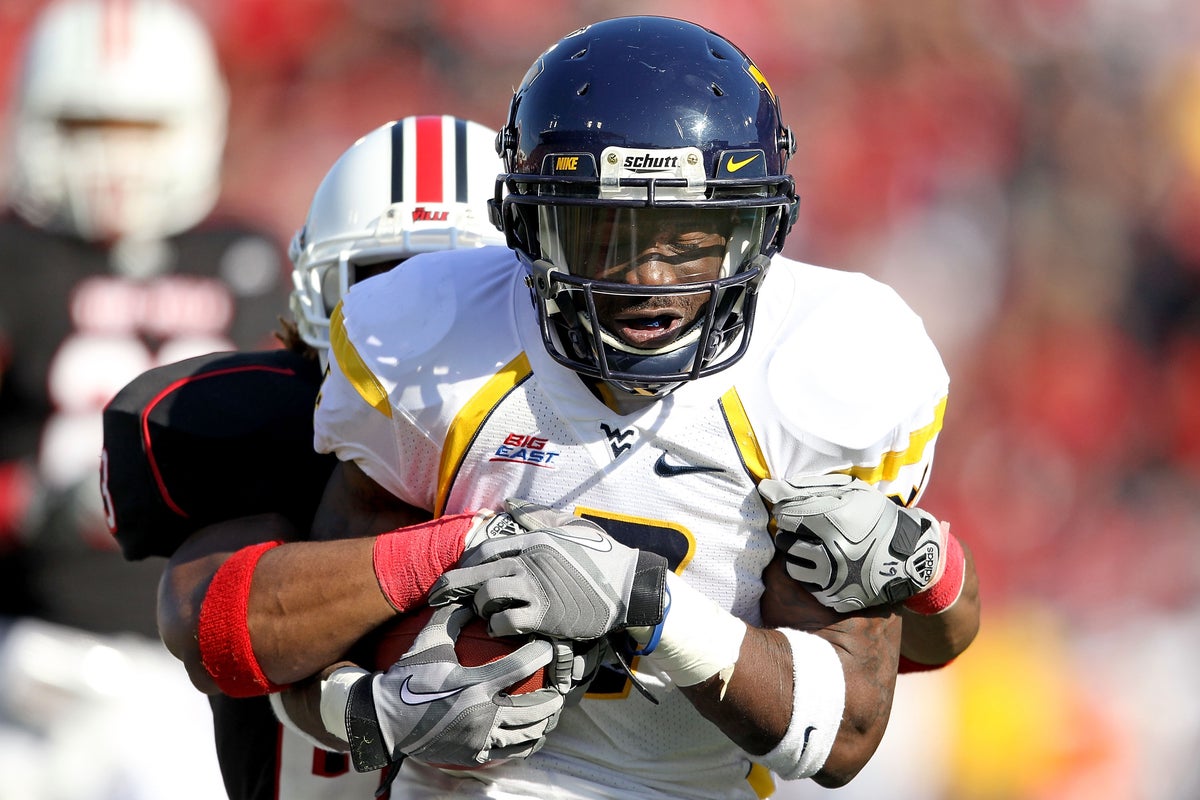
The football world is currently suffering from a collective bout of short-term memory loss. Lamine Yamal plays a few electric matches, delivers a clever assist or two, and suddenly the media machine goes into hyperdrive, anointing a teenager as the rightful heir to the Ballon d'Or while pitting him against Kylian Mbappé in some pre-ordained generational duel. It is a lazy, intoxicating narrative. It is also completely backwards.
Handing individual football's highest honor to an underage phenom is not a celebration of greatness. It is a slow-motion execution of a career.
Let us address the comfortable consensus that is currently poisoning sports discourse. The mainstream argument suggests that talent demands immediate reward. If you perform on the biggest stage, age is just a number, and trophies should follow performance regardless of birth certificate. This is the exact philosophy that burned out Michael Owen, pushed Alexandre Pato into premature obsolescence, and turned young prodigies into cautionary tales before they could legally rent a car.
I have watched clubs and international setups mishandle generational talents for over a decade. I have seen sports science data ignored because a marketing department needed a poster boy to sell jerseys on Tuesday morning. When you crown a seventeen-year-old as the best player on earth, you distort the psychological feedback loop. You tell a child that the summit has already been reached before his physical frame has even finished developing.
Mbappé understands this better than anyone, even if the public misreads his current trajectory. Mbappé spent years grinding through Ligue 1, absorbing physical punishment, failing in high-stakes Champions League knockout matches, and learning the brutal economy of elite longevity before anyone seriously printed his name on the Golden Ball. That friction is necessary. That resistance builds the scar tissue required to sustain excellence over a fifteen-year professional window.
Yamal possesses rare spatial awareness, a terrifyingly quick first step, and the composure of a veteran on the wing. None of that is up for debate. What is up for debate is whether we have learned a single lesson from the history of the sport.
Every time a teenager dominates the European Championship or a domestic league stretch, pundits scream about historical anomalies. They point to Pelé. They point to Wayne Rooney. They use the absolute outliers to justify rushing the development curve for everyone else. It is survivorship bias of the highest order. For every Pelé who survives the physical onslaught and psychological pressure of early global superstardom, there are twenty Bojan Krkićs who crumble under the impossible weight of being labeled the next messiah before their voices have even finished changing.
The Ballon d'Or voting criteria has always been a political popularity contest disguised as an objective metric, but tying it to a teenager creates a dangerous precedent. It shifts the benchmark of success from sustained accumulation of titles and tactical evolution to viral highlight reels and early-career peaks.
If Yamal secures this award tomorrow, what is left for him to prove at twenty-two? When a player wins the peak accolade of his profession before his brain is fully formed, the internal engine often stalls. The hunger to wake up at six in the morning, endure brutal rehab sessions, and reinvent your game when defenders finally figure out your tendencies gets replaced by the heavy burden of maintenance.
We need to stop weaponizing praise against young athletes. Let Yamal struggle through a tactical slump without the weight of the football universe crashing down on his shoulders. Let him learn how to deal with a persistent hamstring tweak, a hostile away crowd in a freezing stadium, and a tactical manager who benches him for defensive lapses. Those are the moments that forge genuine Ballon d'Or winners.
The rush to crown the next king is fueled by an attention economy that consumes players whole and spits them out by the time they hit twenty-eight. Mbappé remains the primary rival not because of a temporary hot streak, but because he survived the hype machine and learned how to adapt when the league caught up to his initial burst of speed.
If we genuinely care about protecting the future of the sport, we should be praying Lamine Yamal finishes fourth in the voting.
True greatness is not about how brightly you burn at seventeen. It is about whether anyone can put the fire out at thirty.