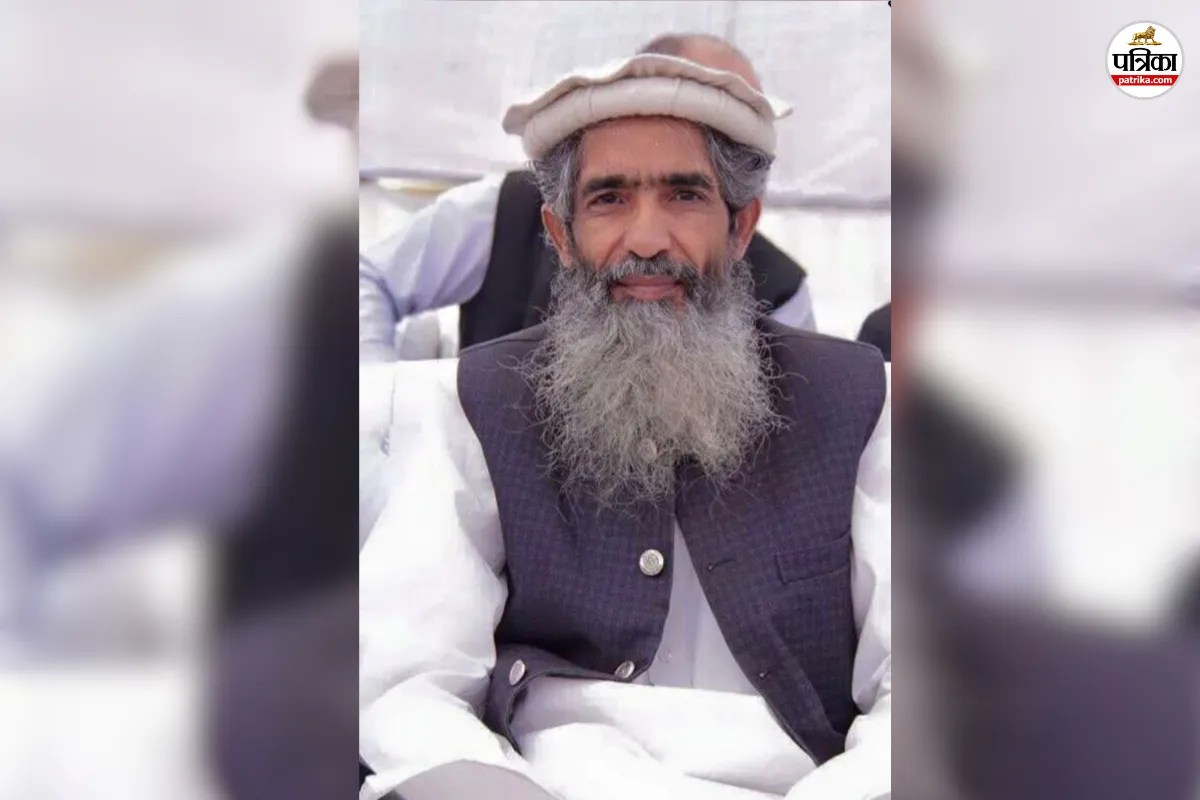
Another top-tier militant leader just faced a hail of bullets on Pakistani soil. This time it was Amir Hamza, a name that carries heavy weight in the jihadi circles of South Asia. He isn't just some low-level operative. We're talking about a co-founder of Lashkar-e-Taiba (LeT), the group India holds responsible for the 2008 Mumbai attacks. Reports confirm that unidentified gunmen on a motorcycle intercepted his vehicle in the Lalamusa area of Gujrat district, Punjab. They didn't miss. Hamza is currently fighting for his life in a hospital, and the local police are scratching their heads—or at least pretending to.
This isn't an isolated event. It's part of a brutal, systematic pattern of "unknown gunmen" picking off high-value targets across Pakistan. If you've been following the news lately, you know the list is getting long. From Adnan Ahmed in Karachi to Shahid Latif in Sialkot, the shadows are finally catching up with men who thought they were untouchable behind the protection of the Pakistani deep state.
The hit on Amir Hamza and why it matters
Amir Hamza was traveling with his wife and a daughter when the attackers struck. The gunmen fired multiple rounds into his car, leaving him critically injured. His family survived, but the message was sent loud and clear. Hamza is a big fish. He was a close associate of Hafiz Saeed, the mastermind behind the 2006 Mumbai train blasts and the 2008 carnage.
Why should you care about a shooting in a random Pakistani district? Because it signals a massive shift in the regional security dynamic. For decades, these men lived in fortified houses, gave fiery Friday sermons, and recruited young men for "holy war" across the border. Now, they're being hunted in their own backyards. The aura of invincibility is gone.
The mystery of the unknown gunmen
Everyone wants to know who's pulling the trigger. Pakistan’s intelligence agencies often point fingers at India’s RAW, claiming a sophisticated cross-border assassination campaign is underway. India, predictably, denies these claims, often suggesting these hits are the result of internal power struggles, business deals gone wrong, or rivalries within the militant groups themselves.
Honestly, the truth probably lies somewhere in the middle. You can't run a dozen different militant organizations in one country and not expect them to turn on each other when the money dries up or the leadership gets crowded. However, the precision of these strikes—motorcycle-borne assassins, silenced weapons, perfect exit routes—suggests a level of professional tradecraft that goes beyond a simple street brawl.
A pattern of elimination
Let's look at the timeline because context is everything here. Over the last 18 months, several prominent figures have met similar fates.
- Paramjit Singh Panjwar: The Khalistan Commando Force chief was shot dead in Lahore while out for a morning walk.
- Riyaz Ahmed (Abu Qasim): A key LeT recruiter killed inside a mosque in Pakistan-Occupied Kashmir.
- Maulana Rahim Ullah Tariq: A close aide of Masood Azhar, gunned down in Karachi.
Amir Hamza is just the latest entry in this grim ledger. These aren't random crimes. Someone is working through a checklist. For years, the international community, specifically the FATF (Financial Action Task Force), pressured Pakistan to stop "grey listing" its terror financing. While the state might find it politically difficult to arrest and prosecute these men publicly, their sudden disappearance from the board solves a lot of problems for Islamabad. It’s a convenient cleanup.
The propaganda wing of LeT
Hamza wasn't just a gunman; he was the brain. He headed the political and propaganda wing of the LeT and its front organization, Jamaat-ud-Dawa (JuD). He wrote books. He gave speeches. He was the one who justified the violence through a twisted interpretation of theology. Losing a man like him is a massive blow to the ideological infrastructure of the group.
In the jihadi world, ideology is the glue. When you lose the guy who writes the manifestos, the recruitment pipeline starts to leak. The younger generation of militants sees their leaders getting picked off like sitting ducks, and they start to wonder if the "protection" they were promised is actually real.
Security failures or tactical choices
The Punjab Police in Pakistan have cordoned off the area and registered a case against "unknown persons." Sound familiar? It’s the standard operating procedure. But here's the kicker: Gujrat is a high-security zone. It's not the wild frontier. To pull off a hit like this requires intelligence, timing, and perhaps a bit of "look the other way" from the local authorities.
Don't expect a quick arrest. In almost all these recent cases, the perpetrators vanish into thin air. The investigations lead to dead ends. It’s almost as if the state is content with the outcome. If Hamza doesn't survive his injuries, another chapter of the 90s-era militancy in South Asia closes.
What happens next for the LeT network
The network is under siege. With Hafiz Saeed reportedly in custody (though the conditions of his "jail" are often debated) and his lieutenants getting gunned down, the LeT is in a state of flux. They are trying to rebrand, moving into mainstream politics under various names, but the labels don't change the reality.
If you are tracking security in South Asia, watch the reaction of the street. If there are massive protests, it means the group still has mobilizing power. If there's silence, it means the fear has set in. The silence after the Hamza shooting has been deafening.
Keep an eye on the border regions. Often, when these groups feel squeezed at home, they try to launch a "spectacular" attack abroad to prove they're still relevant. Security forces in Jammu and Kashmir are likely on high alert right now.
Check the local Pakistani news outlets for updates on his medical status, but don't hold your breath for a transparent investigation. The "unknown gunmen" have a perfect record so far, and the list of targets isn't empty yet. If you're interested in the logistics of these hits, look into the recent reports on 9mm casings found at the scenes—they're becoming a signature of this ongoing shadow war.