The air always changes right before it happens. You can taste it on the back of your tongue—a sudden, sharp tang of metallic ozone, the distinct scent of wet dust and pressurized earth. It is the signature of a storm approaching with the quiet velocity of an avalanche. Most of us ignore it. We finish washing the dishes. We check our phones. We tell ourselves the thunder is miles away, just a harmless rumble rattling the distant windowpanes.
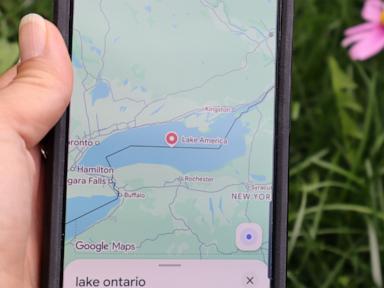
On a bright afternoon in Lafayette, Louisiana, an ordinary Tuesday dissolved into a nightmare that defied every law of probability. A family stood together under the open sky. In a fraction of a second, the universe inverted. A bolt of lightning—superheated plasma packing millions of volts of raw, indiscriminate energy—found them.
When the light cleared, the world had fractured. Stacey Perez and her three-year-old son, Brayden, were gone, struck down by a force of nature so violently swift that pain never even had the chance to register. Left standing in the scorched grass was Aaron Perez, a husband and a father, thrust overnight into a state of profound, disorienting solitude. His final message to the world—a shattered plea for people to hold their loved ones tight—ripped across the digital ether, serving as a visceral reminder of how fragile our grandest routines truly are.
We live our lives cushioned by an illusion of permanence. We schedule our weeks. We argue about trivialities. We complain about traffic, bills, and the weather, operating under the comforting assumption that tomorrow is a signed contract. But it is not. It is an uncashed check.
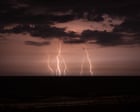
Consider the sheer mechanics of what happened that afternoon. Lightning is not merely a spark; it is an atmospheric equalizer. It is a discharge of electrical potential seeking the path of least resistance to the ground, moving at a third of the speed of light. It heats the surrounding air to fifty thousand degrees Fahrenheit—five times hotter than the surface of the sun. When it strikes, it carries the fury of a tempest born miles above the earth, concentrated into a narrow channel no wider than a coin.
Statistics tell us that your chances of being struck by lightning in any given year are roughly one in 1.2 million. Over a lifetime, that risk climbs to about one in 15,300. Those are numbers we look at and dismiss. We play the odds. We walk to the car in the rain. We stay out on the golf course until the very last possible minute, watching the dark clouds roll over the tree line, laughing as the first heavy drops hit our skin. We believe numbers protect us. We believe in our own luck.
Luck is a poor shield against physics.
When Aaron Perez posted his grief online, he was not just sharing a personal tragedy; he was holding up a mirror to our collective complacency. He was telling us to look at the people sitting across the kitchen table, the small hands holding ours in the grocery store, the sleeping forms in the dark hallways upstairs. We think we have all the time in the world. We postpone the important conversations. We let annoyance eclipse affection over minor slights. We hoard our patience for later, as if later is guaranteed.
The human mind is remarkably skilled at pushing away the terrifying truth of our vulnerability. If we walked around every day fully conscious of how easily our lives could be upended by a stray bolt of electricity, a patch of black ice, or a sudden diagnosis, we would paralyze ourselves. Ignorance is the engine of daily life. We need the illusion of safety to get out of bed, to drive to work, to plant gardens and dream about next year.
Yet, when the illusion cracks, the resulting silence is deafening.
I know what that silence sounds like. It is the hollow echo of footsteps in a house that suddenly feels too large. It is the lingering impression of a small head on a pillow that remains untouched when night falls. It is the surreal realization that the world keeps spinning on its axis, indifferent to your private apocalypse. The cars still drive down the street. The neighbors still mow their lawns. The television still hums in the empty living room. How dare they, you think. How dare the universe not stop when your entire existence has just burned to ash.
Aaron Perez is now navigating that impossible landscape. His words—hold tight—are not a poetic platitude. They are a battle cry. They are the hard-won wisdom of a man who paid the ultimate price for a lesson the rest of us receive for free every single day.
We spend so much of our energy trying to secure our futures, building savings accounts, climbing ladders, acquiring things that will eventually end up in boxes at a yard sale. We sacrifice the present moment on the altar of productivity and worry. We are physically present in the room, but mentally miles away, scrolling through screens, lost in anxieties about things that haven't happened yet.
The storm is always gathering somewhere. You cannot outrun it, and you cannot bargain with it. But you can change how you inhabit the hours you are given.
Look up from the glowing glass in your hand. Notice the way the light catches the edge of the wall. Listen to the sound of breathing in the next room. Drop the argument that felt so vital ten minutes ago. It does not matter. None of it matters when measured against the sudden, terrifying grace of being alive together right now.
The sky clears eventually. The grass dries, the ozone fades, and the world resumes its frantic pace. But the memory of the flash remains burned into the retina of those who survived. Hold them close while the air is still sweet. Love them fiercely before the thunder rolls in.