Eleven innocent people woke up in a hospital bed on Friday because a border region became a war zone again.
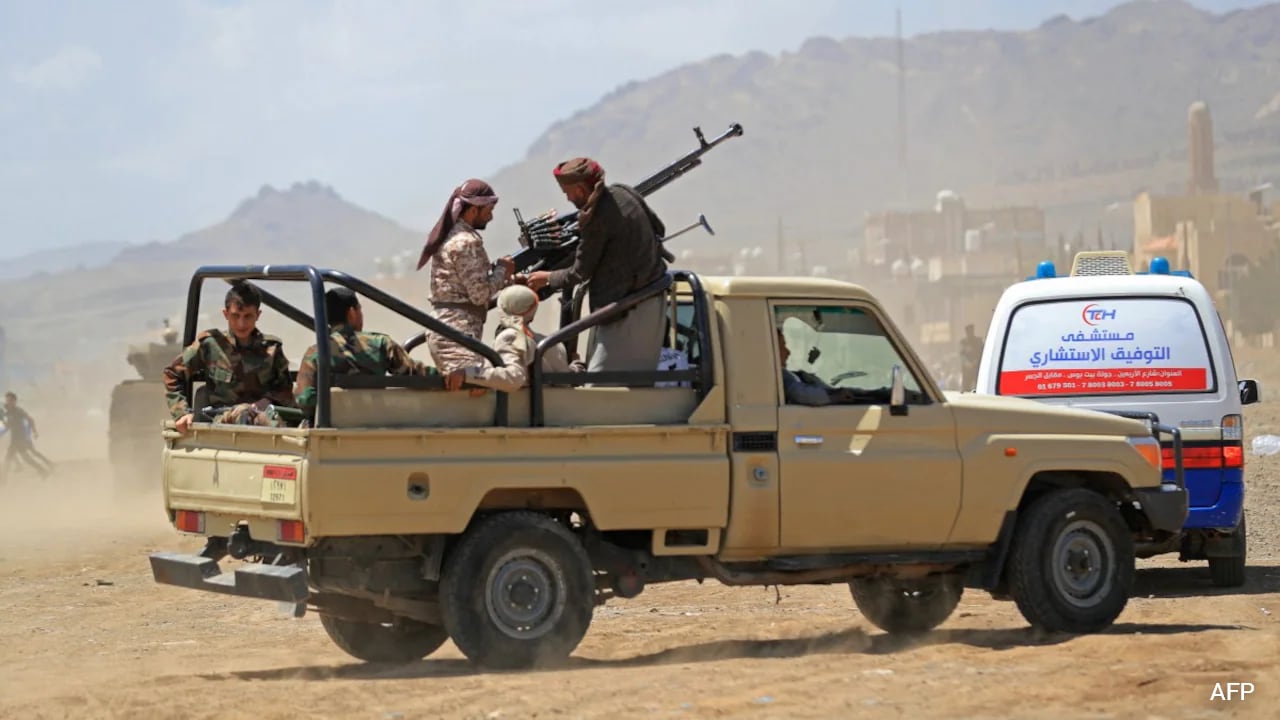
Projectile attacks launched by Yemen's Houthi movement struck the southern Saudi province of Najran. The human cost included seven Saudi citizens—among them a four-year-old child and a woman suffering from severe second-degree burns—alongside two Egyptian nationals, one Yemeni, and one Pakistani worker.
Major General Turki al-Maliki, spokesperson for the Saudi-led coalition, didn't mince words. He condemned the assault as a direct violation of international humanitarian law, pointing out that civilian infrastructure was targeted deliberately. But looking at this single incident in isolation misses the bigger picture. Riyadh isn't just dealing with sporadic border skirmishes anymore. The kingdom is bracing for a much wider, multi-front escalation.
Behind the Warning Signs
Intelligence networks across the region are flashing red. Behind closed doors, senior Saudi officials are warning that Thursday's strike on Najran might be a precursor to something far more coordinated.
According to regional intelligence reports, Saudi Arabia, the United States, and other allied nations have tracked ominous movements. Drones and ballistic assets are shifting positions. The fear is real. Tehran-backed Iraqi militias operating from the north could soon synchronize efforts with the Houthis pushing from the south, all under the watchful supervision of Iran's Islamic Revolutionary Guard Corps.
Why now? The timing points straight back to shifting geopolitical alignments. The broader regional conflict, exacerbated by months of hostilities involving Israel, the United States, and Iran, has dragged Riyadh right back into the line of fire. Because Saudi territory hosts vital U.S. military assets and facilities, it has automatically become a target in Tehran's broader retaliatory playbook.
The Economic and Infrastructure Threat
Border towns like Najran bear the immediate physical scars, but the broader crosshairs are pointed at the kingdom's economic spine.
Energy infrastructure is vulnerable. Ports, international airports, and massive oil processing installations sit within range of modern drone technology and cruise missiles. A successful synchronized assault from both northern and southern vectors could cripple commercial transit and choke global energy supplies.
For years, Riyadh poured immense political capital into finding a negotiated exit from the messy Yemeni civil war. Diplomacy was working, or at least holding the line. Yet, Houthi actions—including the disruptive de facto blockade affecting Red Sea shipping lanes—have injected fresh venom into old wounds. When peace talks stall, rockets usually start flying. That is the grim reality of the current security climate.
Defensive Postures and Alliances
You can't talk about Saudi security policy without looking at how the kingdom responds to pressure. Security cooperation with Washington remains deeply active, particularly through operations coordinated alongside U.S. Central Command.
Military deterrence is shifting into high gear. Strikes executed alongside American forces against Iran-backed nodes in Iraq signal that Riyadh won't just absorb blows quietly. At the same time, regional diplomacy is evolving. New defensive pacts involving Turkey, Pakistan, and Saudi Arabia highlight an urgent push by Riyadh to diversify its security guarantees and build independent deterrence loops.
The wounded civilians in Najran are a tragic reminder that asymmetric warfare rarely hurts the architects of conflict. Instead, it scars families, destroys homes, and turns ordinary neighborhoods into tactical pawns. As long as regional proxy networks answer to commands from Tehran, the fragile calm of the southern border will remain an illusion. Expect tougher defensive measures, increased aerial patrols, and a much lower threshold for pre-emptive military action in the days ahead.