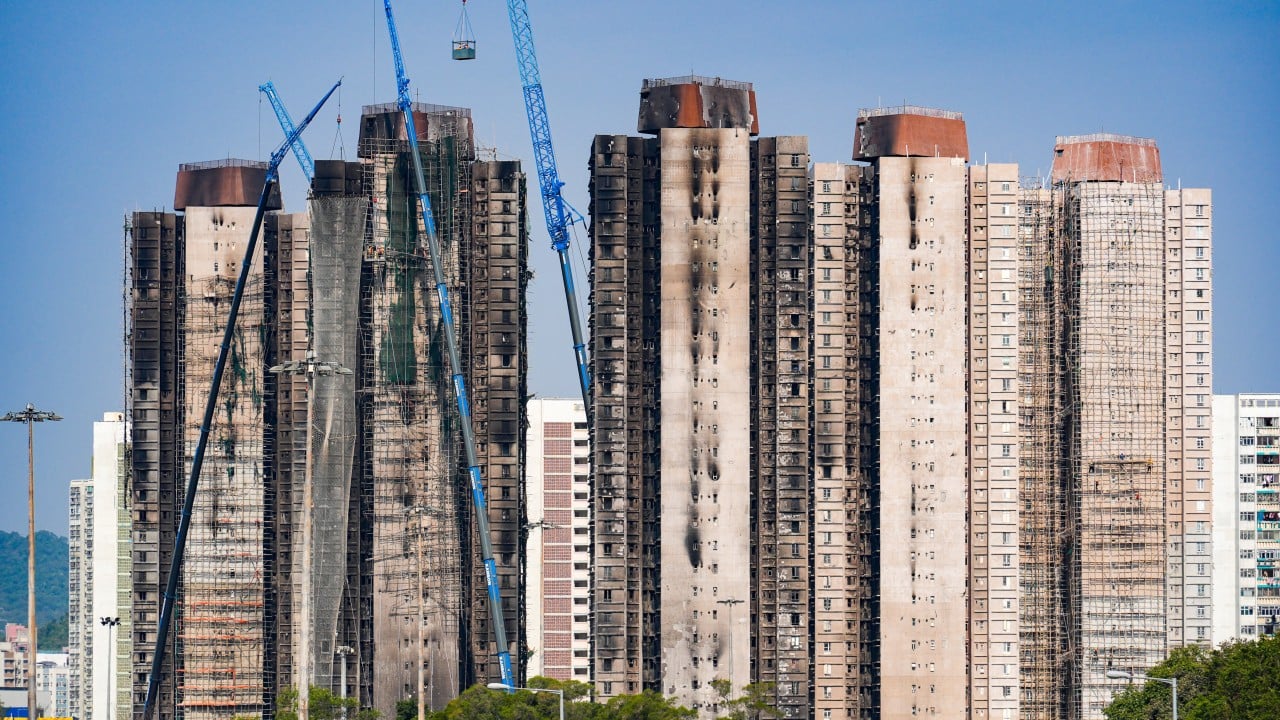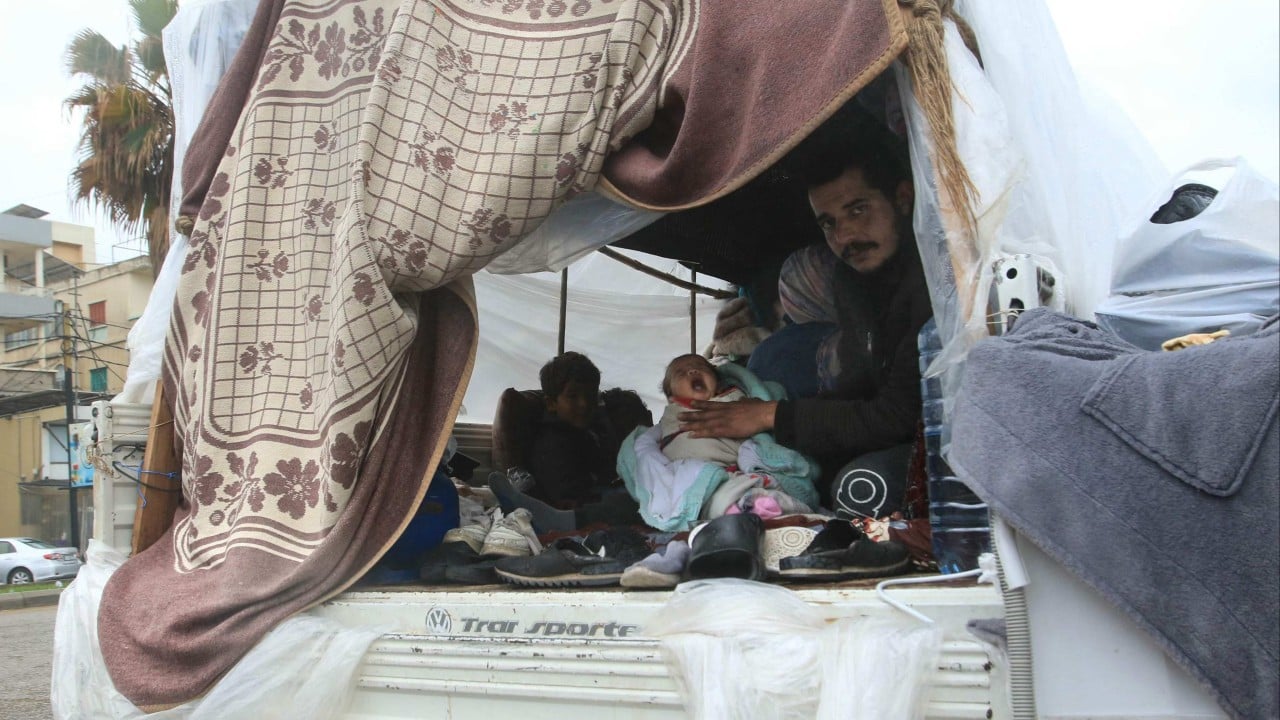
Lebanon is emptying out. In just ten days, over 800,000 people—roughly one in seven people living in the country—fled their homes. They didn't leave because they wanted a change of scenery. They left because the sky above them turned into a rain of fire. When you see numbers this big, the human brain tends to shut down. We stop seeing people and start seeing statistics. But let's be clear about what one in seven means. It means if you're sitting at a dinner table with your family, one of you is now sleeping in a car, a public park, or a crowded classroom floor.
The speed of this exodus has caught the world off guard. We've seen slow-motion disasters before, but this is different. It’s a vertical spike on a graph that usually climbs gradually. This isn't just a local skirmish or a "border tension" issue anymore. It's a full-scale humanitarian collapse happening in real-time, and the infrastructure meant to catch these people is already snapping under the weight.
The math of a vanishing middle class
The Lebanese population was already hanging by a thread before the bombs started falling. You have to remember the context. This is a country that survived a massive port explosion in 2020, a currency that lost 98% of its value, and a political system that’s been paralyzed for years. Now, 800,000 people are on the move. Most of them didn't have savings to begin with. Their "savings" were evaporated by the banks years ago.
When 14% of a population moves at once, the economy doesn't just slow down. It stops. Shops in the south are shuttered. Schools are no longer places of learning; they're makeshift dormitories. The Lebanese government, which is essentially broke, can't provide the basics. We're talking about a state that can't even provide 24 hours of electricity in peace time. How is it supposed to feed nearly a million internal refugees?
It’s not just about the numbers, though. It’s about where they’re going. Beirut is packed. The mountain villages are overflowing. People are sleeping in their vehicles along the seaside corniche because there’s literally nowhere else to go. You see grandmothers sitting on plastic chairs on the sidewalk, clutching small bags containing their entire lives. It’s haunting.
Why the international response is failing the 1 in 7
The UN and various NGOs are trying, but they're bringing knives to a gunfight. The scale of the displacement in Lebanon has outpaced the logistical capacity of every major aid organization in the region. We often hear about "aid corridors" or "funding drives," but those take weeks to mobilize. These 800,000 people needed water and blankets ten days ago.
A major problem is the sheer density of the displacement. Lebanon is a small country. You can drive from the southern border to the northern border in a few hours—if the roads aren't clogged with thousands of cars. This geographic tightness means there is no "safe" zone that is far away from the chaos. Everywhere feels like the front line.
International donors are also suffering from "crisis fatigue." Between the ongoing tragedy in Gaza and the war in Ukraine, the global wallet is feeling thin. But ignoring Lebanon is a massive mistake. If this country tips into total anarchy because it can't support its displaced population, the ripples will hit Europe and the rest of the Middle East faster than anyone expects.
The myth of the temporary shelter
Don't believe the narrative that these people will "go home soon." History in this region tells a much darker story. When people are displaced on this scale, the infrastructure they left behind is usually destroyed. Houses are leveled. Power grids are shredded. Even if the fighting stopped tomorrow, where do 800,000 people go if their villages are piles of gray dust?
We're looking at a long-term displacement crisis that will likely last years, not weeks. The "temporary" shelters in Beirut’s schools will become semi-permanent slums if a massive reconstruction effort isn't launched immediately. We've seen this pattern in Syria. We've seen it in Palestine. Lebanon is now the latest chapter in a book no one wants to read.
Logistics of a nightmare
Think about the sheer volume of supplies needed daily.
- Water: At least 3 million liters just for basic survival.
- Food: Millions of meals every single day.
- Medicine: Treatment for chronic illnesses like diabetes and heart disease, which don't stop just because a war started.
The supply chains are broken. Major highways have been hit. Truck drivers are terrified to move goods. This creates a bottleneck where aid sits in warehouses while people starve twenty miles away. It’s a logistical nightmare that requires more than just money; it requires a level of security coordination that currently doesn't exist.
The psychological toll on a generation
We talk about buildings and borders, but we don't talk enough about the kids. Thousands of Lebanese children are now out of school. Again. They missed years because of COVID-19, then the economic crash, and now this. We're looking at a generation that views "home" as a concept that can be taken away in thirty seconds.
The trauma isn't just from the bombs. It's from the humiliation of displacement. It's the father who can't provide a roof for his kids. It's the mother who has to beg for diapers in a public square. That kind of stress changes a society's DNA. It breeds resentment and desperation, which are the primary fuels for future conflicts.
Stop looking away from the Mediterranean
If you think this is just a "Middle East problem," you're not paying attention. Lebanon has historically been a buffer and a hub. If the social fabric here completely unravels, the migration pressure on the Mediterranean will become an unstoppable wave. Helping the 800,000 displaced people inside Lebanon isn't just "charity." It’s a matter of regional and global stability.
The immediate priority has to be a massive infusion of cash directly to the families and the few local NGOs that actually have boots on the ground. Forget the slow-moving bureaucracies for a second. The local kitchens and neighborhood groups are the ones actually keeping people alive right now. They need resources, and they need them yesterday.
What you can actually do
Don't just read this and feel bad. Feeling bad doesn't buy a blanket. If you want to help, you need to bypass the giant organizations that spend 40% of their budget on "administrative costs." Look for local Lebanese initiatives like the Lebanese Red Cross or small, grassroots kitchens in Beirut that are cooking for the displaced.
Check the news for updates on the "Lebanon Flash Appeal" from the UN, but keep your eyes on the local reporters who are showing the reality of the streets. Demand that your local representatives prioritize humanitarian aid over military shipments. The math is simple: 1 in 7 people are homeless. They need help, or the entire country is going under.
Support the Lebanese Red Cross directly. They are the primary medical responders on the ground. Check out "Beit el Baraka" for food security and housing support. These groups are actually moving the needle. The situation is dire, but it's not hopeless if the world decides to actually show up.