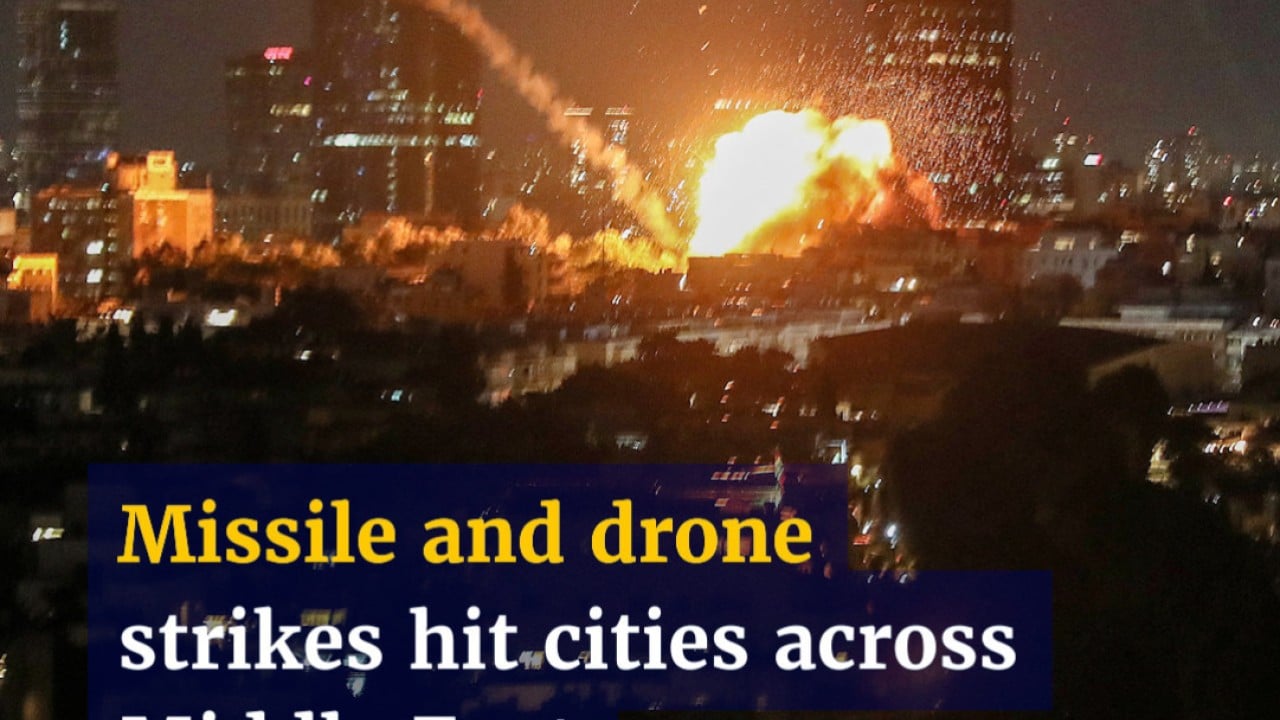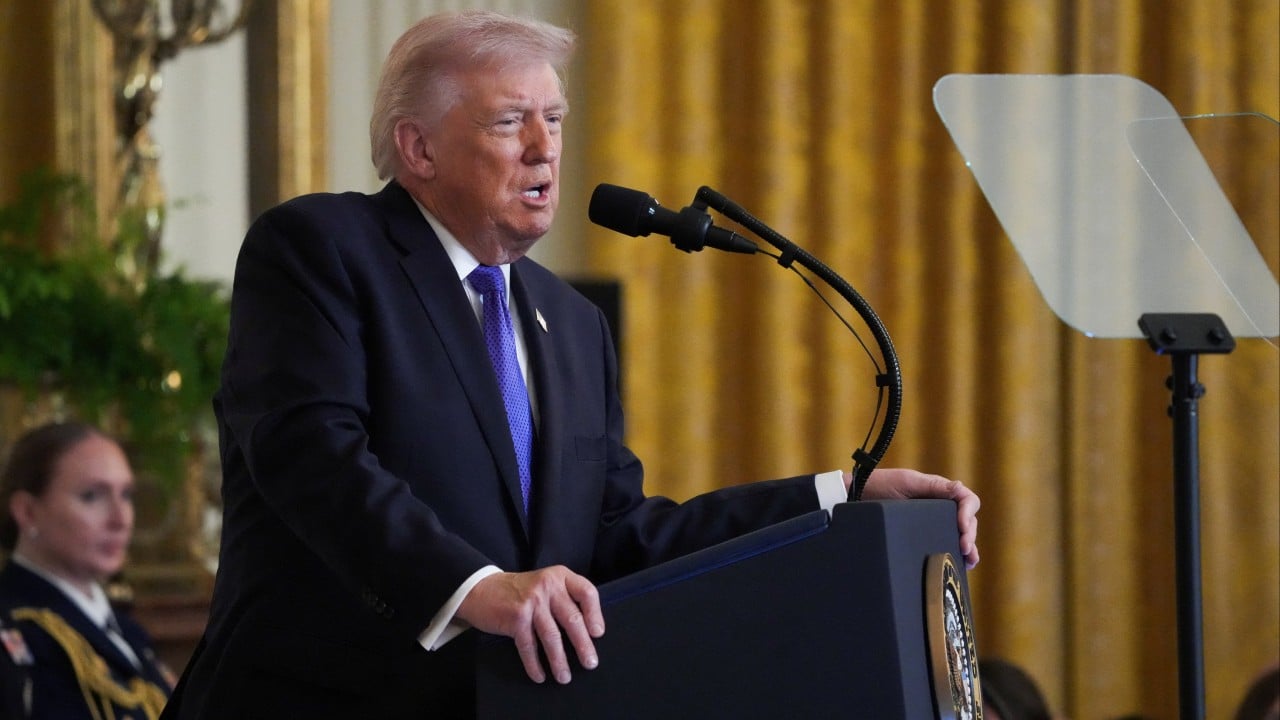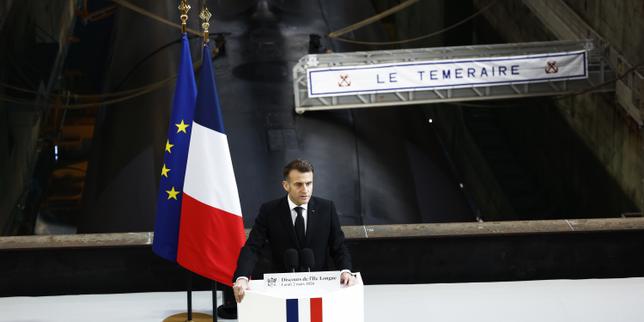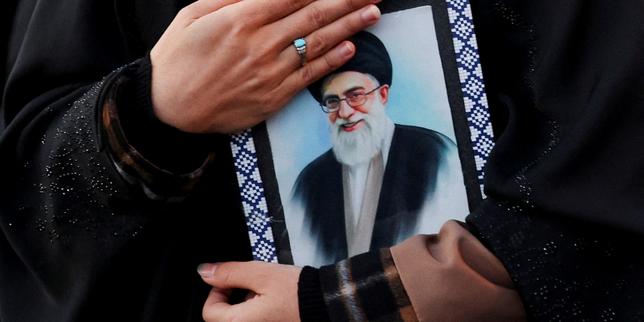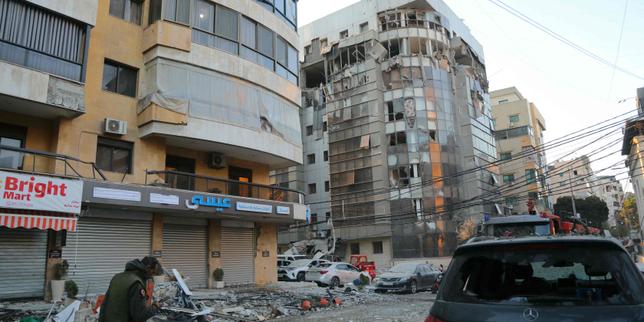
The headlines are predictable, lazy, and fundamentally wrong. Every time a rocket crosses the Blue Line, the international press corps dusts off the same template: "Lebanon dragged into war against its will." It is a narrative that treats a nation-state like a helpless passenger in a car with no driver. It assumes the current exchange of fire is a descent into chaos.
It isn't. It is a highly regulated, albeit violent, market of geopolitical influence.
If you believe the mainstream consensus that we are witnessing a sudden, accidental slide into a regional apocalypse, you are missing the structural reality of Middle Eastern power dynamics. Hezbollah isn't "precipitating" a war; it is managing a long-term insurance policy. Israel isn't "responding" in a vacuum; it is recalibrating a decades-old deterrence equation that failed on October 7.
To understand what is actually happening, we have to dismantle three comfortable lies that journalists love to repeat.
The Sovereignty Fallacy
The most persistent myth is that Hezbollah is an external parasite sucking the life out of a "sovereign" Lebanon. This view is intellectually dishonest. In the Levant, "sovereignty" is a Western academic concept that rarely survives contact with the ground.
Hezbollah is not a guest in Lebanon. It is the most efficient provider of social services, the most disciplined military force, and the most consistent political bloc in the country. When they fire missiles, they aren't doing it as a rogue militia ignoring the state; they are doing it as the only entity capable of exercising state-like functions in the vacuum left by a corrupt Beirut elite.
Critics argue that these strikes ruin the Lebanese economy. I have spent enough time in the region to tell you: the Lebanese economy was hollowed out by its own banking sector long before the first drone took flight this year. Blaming the current border skirmishes for Lebanon’s financial collapse is like blaming a broken window for a house that has already burned to the foundation.
The Misunderstanding of "Total War"
The media loves the phrase "Total War." It generates clicks. But we are currently seeing the opposite. We are seeing a proportional attrition model.
If Hezbollah wanted total war, they wouldn't be firing guided anti-tank missiles at specific radar installations. They would be saturating the Gush Dan with 150,000 rockets. If Israel wanted to flatten Beirut, they have the air superiority to do it in forty-eight hours.
Instead, both sides are engaged in a brutal, bloody conversation. Each strike is a sentence. Each targeted assassination is a paragraph. They are negotiating the terms of a new border reality through kinetic force because diplomacy has no currency left.
The "lazy consensus" says this is out of control. The data says otherwise. Look at the telemetry of the strikes. They are largely confined to a "buffer zone" that both sides have informally agreed upon, even as they publicly claim there are no rules. This is a game of high-stakes poker where both players are terrified of the other going all-in, but both are forced to keep raising the blinds to stay at the table.
Why Peace is Currently an Impossible Product
People ask, "Why won't they just stop?" It is a naive question based on the flawed premise that peace is the natural default state.
For the current Israeli government, a quiet northern border without a fundamental change in Hezbollah’s positioning (specifically their withdrawal north of the Litani River) is a strategic defeat. For Hezbollah, stopping now without a ceasefire in Gaza would destroy their "Unity of Fronts" doctrine—the only thing that gives them leverage on the international stage.
Neither side can afford the "peace" that the UN or Washington is selling.
The Mathematics of Deterrence
Let’s look at the actual hardware. We are told the Iron Dome is the final word in defense. It isn't. In a sustained conflict with a peer-level adversary like Hezbollah, the math of interceptors versus projectiles becomes a nightmare.
- Cost Asymmetry: An Iron Dome interceptor costs roughly $50,000. A Hezbollah Katyusha rocket or a primitive drone can cost as little as $500 to $3,000.
- Saturation Threshold: No system has 100% efficacy when the volume of fire exceeds the number of ready-to-launch interceptors.
- The Tactical Shift: We are seeing Hezbollah move away from unguided "dumb" rockets to kamikaze drones and ATGMs (Anti-Tank Guided Missiles). These have lower trajectories and are harder to track.
This isn't a "terrorist" group firing randomly. This is a sophisticated military testing the limits of the world’s most advanced missile defense system. And they are learning. Every day this conflict continues at a "simmering" level, Hezbollah’s sponsors in Tehran receive a goldmine of data on how to bypass Western-aligned defenses.
The Hidden Beneficiaries of Instability
While the "competitor" articles weep for the civilian population—as they should, for the human cost is horrific—they ignore the cold political benefits.
War provides a domestic distraction for Netanyahu’s crumbling coalition. It provides Hezbollah with a reason to maintain its arms in the face of growing domestic Lebanese resentment. It allows Iran to keep Israel pinned down on multiple fronts without committing a single Iranian soldier to the field.
The status quo isn't a mistake. It’s a feature.
The Failed Logic of De-escalation
Western diplomats keep flying into Tel Aviv and Beirut with "de-escalation" plans. These plans are dead on arrival because they treat the symptom, not the disease.
The disease is the total collapse of the 1701 Resolution. You cannot "de-escalate" back to a 2006 agreement that both sides have spent eighteen years violating. To suggest otherwise is a fantasy. The only way forward—the "unconventional advice" that no one wants to hear—is that a larger confrontation may be the only way to reset the board.
It is a grim reality. I’ve seen what happens when these "border skirmishes" turn into urban warfare. It is ugly, it is wasteful, and it settles nothing for the long term. But pretending that we can just go back to October 6 is a delusion that only serves to make the eventual explosion more violent.
The world wants a "seamless" diplomatic solution. There isn't one. There is only a series of bad options, and the current "limited war" is the one that both sides have calculated is the most "robust" way to protect their internal interests for now.
Stop waiting for the "peace talks" to work. They aren't meant to work. They are meant to buy time for the next shipment of munitions.
The border isn't burning by accident; it's being burned on purpose to clear the brush for what comes next. If you're still looking for a "return to normalcy," you haven't been paying attention to the last two decades. Normalcy is dead. This is the new baseline.
Accept it, or keep reading the fairy tales in the mainstream press.