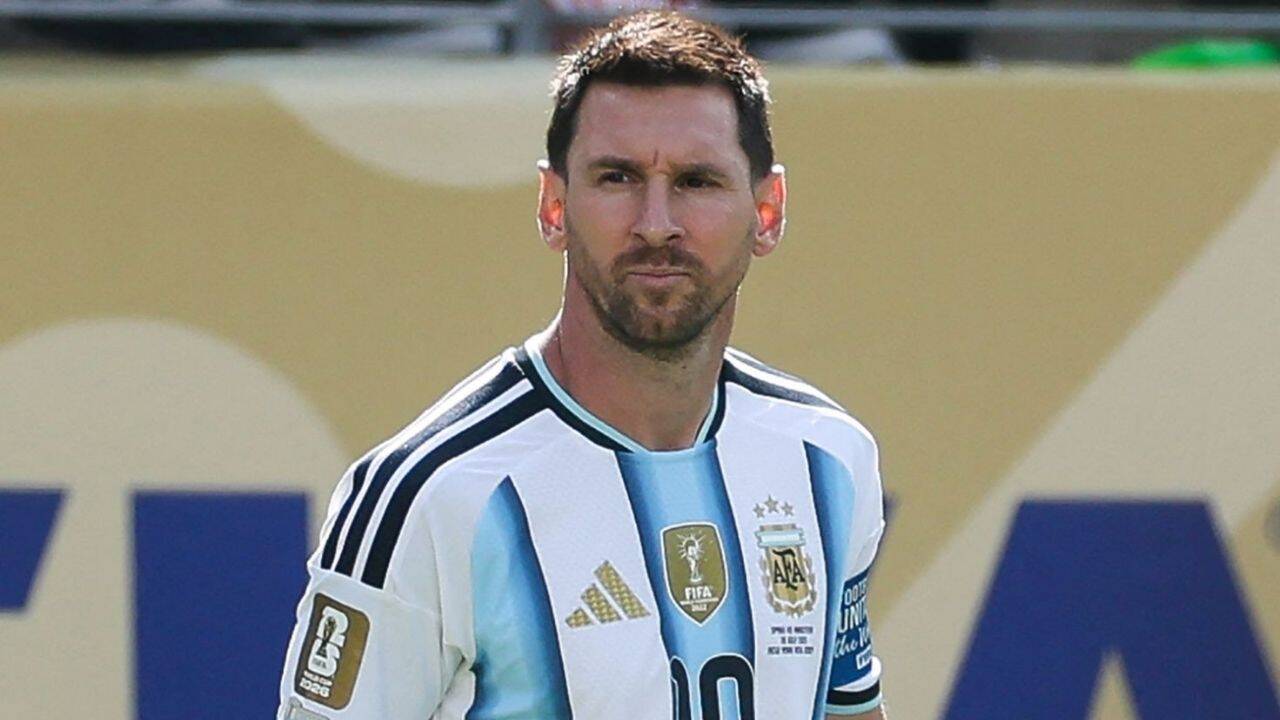
Tears on a turf in New Jersey don't just dry up overnight. When Lionel Messi walked away from the Argentine national team in the summer of 2016, he wasn't just quitting a squad. He was breaking up with an entire country that demanded too much and loved too little.
It was the Copa America Centenario final. Chile had just beaten Argentina on penalties once again. Messi skied his spot-kick over the crossbar. That single moment of sporting tragedy cracked the best player on the planet. He stood in the mixed zone afterward, eyes red, voice shaking, and told the world he was done.
If you think that retirement was just a dramatic overreaction to a lost match, you miss the brutal weight of expectation that crushed him for over a decade. Let's talk about what really happened, why the world panicked, and how that heartbreak completely changed the trajectory of modern soccer.
The Breaking Point in East Rutherford
MetLife Stadium was supposed to be the coronation. Argentina carried a massive chip on their shoulder into the 2016 Copa America final rematch against Chile. They wanted revenge for the 2015 heartbreak. Instead, they got a grueling 120-minute chess match that ended in a scoreless stalemate.
Penalties are cruel. They reduce years of sweat, tactical planning, and physical sacrifice to a binary outcome of luck and nerve. When Messi stepped up, the pressure of a nation starving for a senior trophy since 1993 sat squarely on his shoulders. He missed. Chile won 4-2 on penalties.
He didn't yell at teammates. He didn't smash a water bottle. He sat on the bench with his jersey pulled up over his face, weeping quietly.
Minutes later, the bombshell dropped.
"For me, the national team is over," Messi told reporters. "That's four finals, I tried. It was not for me."
The shockwave hit Buenos Aires instantly. Fans who spent years calling him a mercenary who cared more about Barcelona than his homeland suddenly woke up. They realized the unthinkable. The greatest gift modern football had ever produced was walking away for good.
Why Argentina Broke Its Own Icon
To understand why Messi quit, you have to look at the toxic relationship he had with his home fans for years. In Europe, he was a demigod. In Argentina, critics accused him of lacking passion. They compared his calm demeanor unfavorably to Diego Maradona's fiery, theatrical leadership.
People forgot a basic truth. Passion isn't just screaming at referees or beating your chest after a tackle. Passion is playing through injuries, taking pay cuts to travel across the Atlantic for meaningless friendlies, and carrying a dysfunctional federation on your back while officials pocket cash and mess up travel logistics.
Argentine media tore him apart after every lost final. They blamed him for the 2014 World Cup loss to Germany. They blamed him for the 2015 Copa America loss to Chile. They forgot that without his goals in the group stages and knockout rounds, those teams wouldn't have even reached the finals.
He grew tired of the abuse. Who wouldn't? When winning is expected and losing is treated as a personal betrayal, sports stop being fun. Messi simply burnt out.
The Public Uproar That Reversed History
The retirement didn't stick. It couldn't.
Within hours, a national movement sparked across Argentina. President Mauricio Macri called him on the phone to beg him to stay. Diego Maradona, who often criticized him in the past, urged him to reconsider. Billboards in Buenos Aires flashed messages reading "No te vayas, Lio." Fans flooded the obelisk in downtown Buenos Aires, chanting his name in the rain.
The collective guilt of a nation woke up overnight. People realized they were about to chase away the one player who could match the legacy of 1986.
Messi took a few weeks to breathe. He processed the noise. By August 2016, he reversed his decision and returned to the albiceleste.
Edgardo Bauza, the national team coach at the time, flew to Barcelona to sit down with him. They talked about tactics, mental health, and the future. Messi realized that walking away as a quitter didn't fit his character. He wanted to try one last time. Or two.
The Redemption Arc We All Needed
That night of tears in New Jersey turned out to be the dark night of the soul before a legendary sunrise.
If Messi had never quit, the narrative might have remained broken. But walking away and coming back changed something in his mindset. He stopped carrying the weight of the world like an anchor and started wearing it like armor.
Five years later, he finally lifted the Copa America trophy at the Maracana, beating Brazil on their home turf. Tears flowed again, but this time they were tears of pure relief and vindication.
Then came Qatar. The 2022 World Cup wasn't just a tournament. It was the final chapter of a twenty-year odyssey. When Gonzalo Montiel scored that final penalty against France, Messi fell to his knees in the exact same posture of utter emotional exhaustion we saw in New Jersey, only this time the weight was gone.
Looking back, those tears in 2016 weren't a sign of weakness. They were the human cost of caring too much in a world that demands perfection. He broke so he could rebuild stronger.