The cabin air at thirty-eight thousand feet smells faintly of recycled static, warmed plastic, and the metallic tang of coffee brewed too long ago. To the three hundred passengers drifting in the half-light of a red-eye flight, the fuselage is a cocoon. Outside, the night is a black ocean, bottomless and freezing. Inside, the world shrinks to the low hum of twin turbofans and the steady, rhythmic breathing of strangers sharing a fragile tube of aluminum against the void.
We trust the invisible. We have to. If you liked this article, you might want to read: this related article.
When you buy a ticket, you are not merely purchasing a seat from one set of coordinates to another. You are engaging in a massive, breathtaking act of faith. You are handing your pulse, your breath, and the lives of everyone you love to two strangers sitting behind a locked titanium-reinforced door ten paces away. You assume they are tired. You assume they want to see their families. You never assume they brought an axe.
Consider what happens when that faith fractures. For another perspective on this story, refer to the recent update from The Guardian.
In the quiet corridors of aviation security, officials speak in probabilities and threat vectors. They design systems to catch the obvious. They screen for metal, for liquids, for the unmistakable posture of intent. But how do you screen for the sudden, violent unraveling of a human mind? How do you build a firewall against a phantom?
The announcement made by senior officials regarding a Flydubai flight sent a cold shiver through the global aviation community, though the tremors barely registered in the daily rush of commuter terminals. The bare facts read like a psychological thriller stripped of its atmosphere: a co-pilot, a man entrusted with the safety of a flying machine, allegedly utilized an axe in what authorities categorized as an attempted terrorist attack.
Axe. The word feels medieval. It belongs in the dirt and mud of ancient battlefields, swung by foot soldiers under gray skies, not in the sterile, high-tech cockpit of a modern commercial airliner where every switch glows with emerald precision and every movement is monitored by digital sentinels.
Yet, there it was.
To understand the weight of this event, we have to step inside that cockpit. (Note: The following reconstruction is a hypothetical scenario based on verified official reports and standard flight deck dynamics). Imagine the dim glow of the flight management system displays casting a soft cyan light over two faces. The captain is looking down at a weather radar sweep, tracking a line of towering cumulonimbus clouds over the horizon. The co-pilot is beside him. For hours, the atmosphere has been routine—the endless, hypnotic drone of autopilot holding a precise heading, the occasional crackle of a distant sector controller's voice over the VHF radio.
Then, the shift. Not a gradual slide, but a sudden fracture.
The human brain is a fragile engine. Under extreme stress, isolation, or unseen psychological fractures, the internal narrative can warp violently. In aviation, pilot mental health has long been the industry's quiet ghost in the machine. We talk endlessly about metal fatigue, turbine blade tolerances, and hydraulic redundancy. We spend billions on radar systems that can paint a thunderstorm a hundred miles away. But we have spent decades whispering about the darkness inside the skull of the person flying the plane.
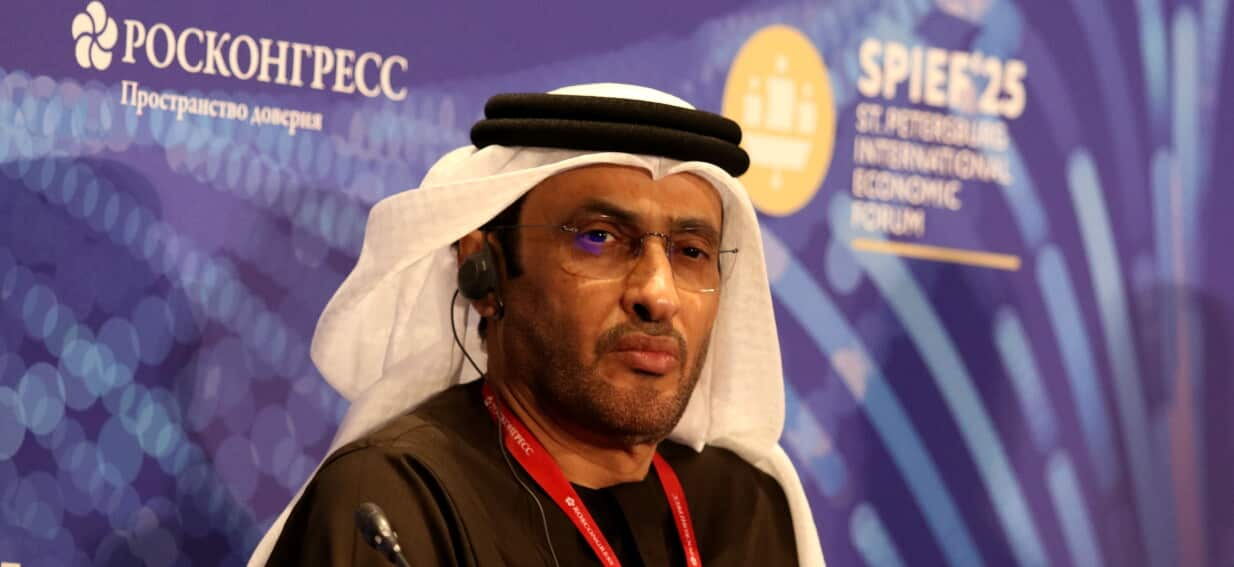
When the official from the United Arab Emirates addressed the incident, the terminology used was precise, heavy, and chilling. They called it an attempted terrorist attack. But behind the legalistic categorization lies a deeper, more unsettling truth about modern security: the perimeter has moved inward. It is no longer just about keeping the bad actor off the plane at the boarding gate. It is about what happens when the bad actor is already wearing the uniform.
Think about the security protocols we endure at every global airport. We take off our shoes. We empty our laptops into plastic bins. We empty our pockets of loose change, surrender our bottles of water, and walk through millimeter-wave scanners designed to detect the slightest anomaly beneath our clothes. We submit to this ritual of humiliation willingly, even gratefully, because it buys us the illusion of control.
The security line ends at the aircraft door. Once inside, the passengers cross a threshold into a zone of absolute vulnerability.
The Flydubai incident forces us to confront an uncomfortable paradox. The very measures we implemented to secure the cabin after the tragedies of the early 2000s—the heavily armored, double-bolted cockpit doors designed to keep external threats out—now possess a terrifying side effect. They lock the world out, yes. But they also lock the crew in.
If a threat originates from within that tiny sanctuary, the passengers are separated from the controls by a physical barrier that was engineered to withstand a battering ram. The cockpit ceases to be the safest place on the aircraft; it becomes a black box in the most literal sense, inaccessible and opaque.
How do you protect a system from itself?
The answer does not lie in more metal detectors or harsher pat-downs at the terminal. It requires a fundamental shift in how the aviation industry views psychological resilience. For generations, the culture of the flight deck has been built on a stoic, unflinching machismo. To admit to psychological distress, depression, or burnout was often viewed as a career-ending vulnerability. Pilots are trained to compartmentalize, to push through exhaustion, to fly the plane no matter what.
That culture is lethal.
When pilots are conditioned to hide their fractures, those fractures do not heal; they widen under pressure. The invisible weight of financial stress, personal isolation, erratic sleep schedules, and the sheer cognitive load of modern global navigation creates a pressure cooker environment. Most endure it with quiet grace. They land the plane, walk through the terminal, call their families, and do it again the next day.
But every so often, the pressure finds a seam.
The historical context of cockpit-initiated disasters is sparse, making each occurrence loom disproportionately large in the collective consciousness. We remember the calculated descents into mountain slopes and the chilling silence of flight decks where despair turned catastrophic. Each event prompts a flurry of inquiries, new guidelines on peer support programs, and mandatory psychological check-ins. Yet, the systemic implementation remains patchy, varying wildly between international carriers and regulatory jurisdictions.
There is a profound vulnerability in modern travel that we choose to ignore every time we recline our seats and close our eyes. We outsource our survival to an invisible covenant between strangers. We trust that the pilot steering us through the night sky possesses not only the technical competence to land us safely on a strip of concrete thousands of miles away, but also the inner stability to withstand the demons of their own mind.
When that covenant is broken, the shockwaves go far beyond the immediate passengers or the airline's share price. It rattles the psychological foundation of global mobility. It makes us look up at the white vapor trails slicing across a clear afternoon sky and wonder, briefly, about the human being pulling the yoke.
We cannot engineer human unpredictability out of existence. We cannot build a sensor that detects a breaking spirit or a mind slipping away from reality. But we can change the culture that drives people into silence. We can build an industry where asking for help is as routine as running through a pre-flight checklist, where mental health is treated not as a liability to be hidden, but as a critical flight parameter to be maintained.
The plane landed safely. The headlines faded into the relentless churn of the daily news cycle. Another flight took off. Another set of passengers drifted to sleep in the dim cabin light, trusting the locked door ahead.
The axe was put away, confiscated as evidence, reduced to a physical exhibit in a legal proceeding. But the question it left behind remains suspended in the thin, cold air at thirty-thousand feet, waiting for an answer we cannot afford to ignore.



