The winter air in Surrey smells of woodsmoke, wet asphalt, and the sharp, distinct aroma of freshly crushed cardamom drifting from a kitchen window. Thousands of miles away, on a dusty porch in Punjab, an elderly man adjusts his spectacles and waits for a phone call that usually comes on a Sunday afternoon. Between them lies an ocean, a continent, and a thicket of diplomatic frost that has taken far too many years to thaw.
Borders are drawn on maps with ink and rulers, but they are lived in the quiet spaces between heartbeats.
For a long time, the diplomatic machinery binding India and Canada felt like an iron door rusted shut from the inside. Headlines flashed words like standoff, tension, expulsion, and freeze. To a political scientist in Ottawa or New Delhi, these were strategic calculations. To families whose roots stretch across both soil types, they were jagged little cuts. Every visa delay felt personal. Every canceled meeting felt like a door being shut in the face of a child wanting to visit their grandparents.
Diplomacy is rarely taught in textbooks as an emotional art, yet it is entirely human. It is the art of two rooms full of tired people deciding that shouting across the courtyard gets them nowhere.
Consider what happens when governments stop talking. The air gets heavy. Rumors fill the vacuum. Business owners who ship wheat and lentils, software engineers who hop flights between Bangalore and Toronto, and students saving their parents' life savings for tuition all hold their breath. Uncertainty is a heavy tax on human ambition. When the bilateral wires go dead, the friction rubs raw against everyday lives.
And then, the tone shifts.
Slowly. Cautiously. Like two stray dogs sniffing the air before deciding not to bare their teeth.
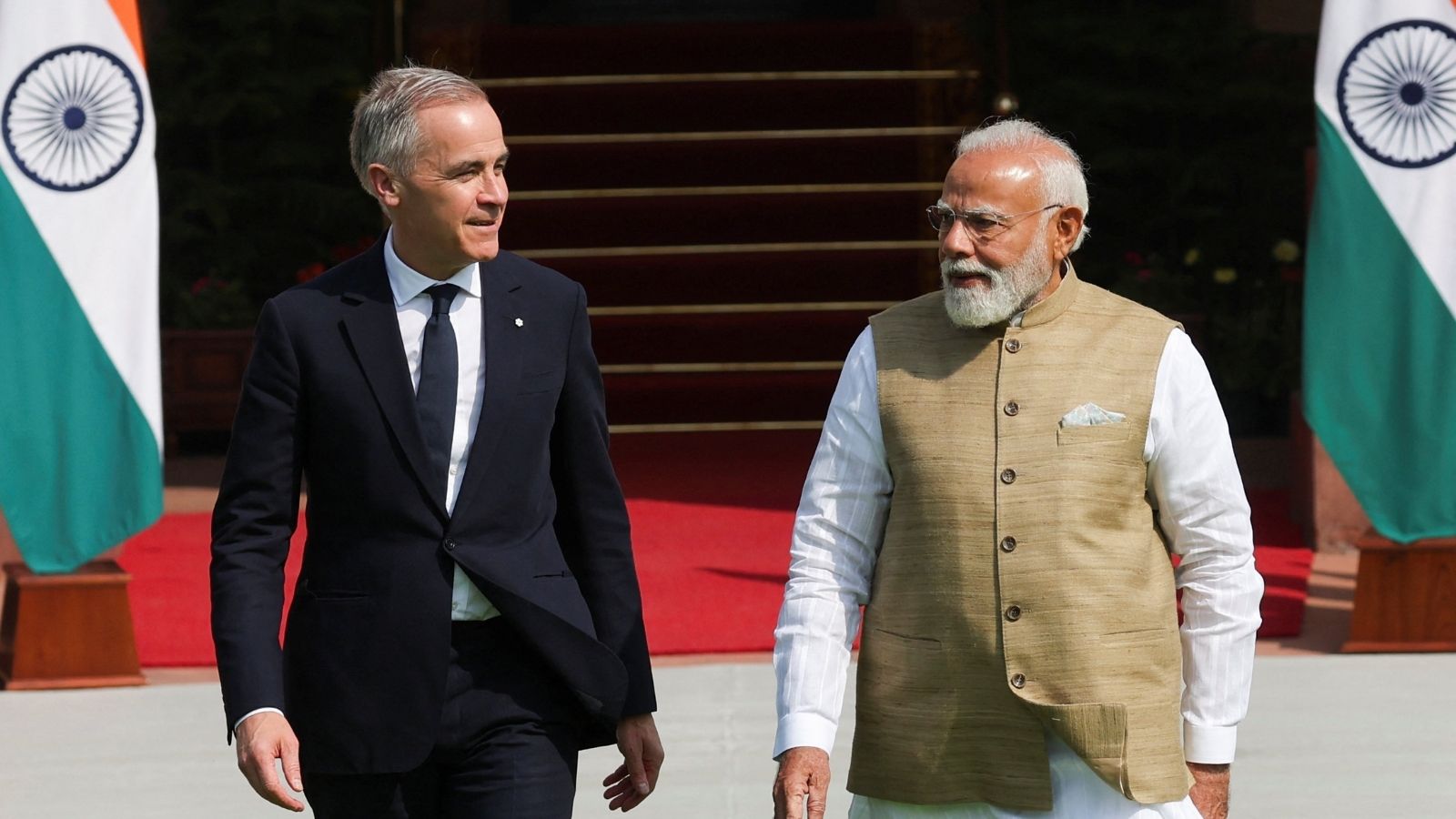
Recent weeks have brought a quiet, steady hum of movement. Delegations meet behind closed doors. Officials shake hands for the cameras, their smiles stiff at first, then relaxing into the genuine relief of professionals who have found a way back to the table. They talk about consular access, security cooperation, and trade corridors. They issue joint statements that sound dry to the untrained ear, packed with diplomatic phrasing about constructive engagement and mutual respect.
Do not let the dry language fool you. Behind those bullet points is the sound of heavy iron hinges finally taking oil.
To understand why this matters, you have to look past the podiums and into the living rooms. Picture a young woman sitting at a kitchen table in Vancouver, refreshing her email for the hundredth time. Her mother’s health in Delhi is fragile, and the paperwork for her travel permit has languished in a bureaucratic purgatory. When governments mend fences, that email changes from a rejection notice to an approval. That is what political progress actually weighs. It weighs the exact amount of a passport stamp and a sigh of relief.
Geopolitics is often viewed as a grand chess game played by masters in suits. But the board is made of real people. Every square is a family, a business, a university lecture hall, a cultural festival. When the relationship between India and Canada frays, the fabric of millions of personal histories stretches to its breaking point.
Think of the students. Every year, thousands pack their bags, leaving behind the only homes they have ever known to brave Canadian winters. They work night shifts at coffee shops, cram for economics exams in chilly libraries, and dream of building a bridge between two worlds. When diplomatic channels freeze, their future becomes a gamble against political weather they cannot control.
When those same channels open up, the atmosphere clears. The anxiety lifts just enough for them to focus on the chemistry equation or the business plan.
There is an old Punjabi proverb about two neighbors building a low wall between their courtyards so they can still hand warm rotis across the bricks. For years, the wall between India and Canada had grown too high to see over. Bricks had been added out of anger, pride, and strategic stubbornness.
Breaking down that wall does not happen overnight. Trust is a slow crop. It takes seasons of consistent sun and rain to grow back after a drought. The recent progress made by both governments is not a miraculous cure for every historical grievance. It is simply the recognition that living in perpetual frost serves no one.
The diplomats are talking again. The ambassadors are back at their posts. The committees are scheduling their next sessions.
Back in Surrey, the cardamom tea is poured into cups that clink against saucers. In Punjab, the telephone rings right on time. The distance across the globe hasn't shrunk by a single mile, but the air between the two worlds feels lighter today than it did yesterday. And sometimes, that is the only start a long journey needs.