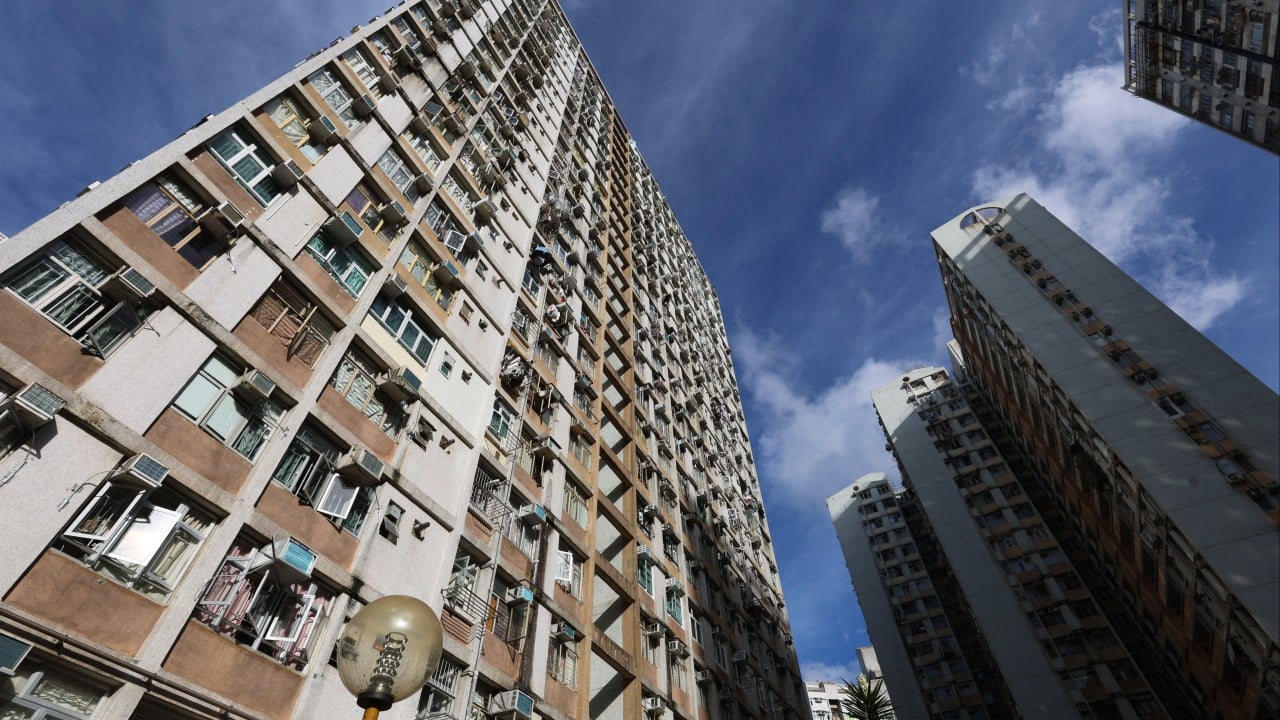
Every few years, the economic orthodoxy in Hong Kong produces a special brand of economic illiteracy wrapped in populist concern. The latest demand from advocacy groups is simple on the surface and catastrophic underneath: let residents raid their Mandatory Provident Fund accounts to secure mortgage down payments.
The lazy consensus says this is a lifeline for young families locked out of the world's most expensive housing market. Give people access to their forced savings today, and you solve the affordability crisis tomorrow.
Except it is a financial executioner disguised as mercy.
I have watched buyers leverage themselves to the gills through successive property cycles, treating bricks and mortar as an infallible religion. When you raid your pension to buy a flat, you are not freeing yourself from the system. You are doubling down on a single, illiquid, geographically concentrated asset class while destroying your compound interest engine.
Let us dismantle the populist illusion and look at the mechanics of why raiding the MPF for real estate is a trap.
The Compound Interest Fallacy
The fundamental pitch for using pension funds to buy property relies on a bait-and-switch regarding returns. Advocates argue that property historically outperforms cash, so moving money from a conservative pension portfolio into the property market is a masterstroke of capital allocation.
This argument ignores the timeline of compounding.
When you extract capital from your pension in your thirties to clear a down payment, you remove the principal during its most productive decades of exponential growth. Money left alone in global equities or diversified retirement vehicles compounds quietly, shielded from maintenance costs, property taxes, and vacancy risks.
Property requires continuous capital injections. A flat is not a passive cash machine; it is a capital sink that demands roof repairs, management fees, and government rates. If your entire net worth is locked up in concrete walls, you have zero liquidity when a macro shock hits your primary income source.
Hong Kong's property market is not a perpetual motion machine. Yields on residential property in the territory have historically hovered at dismal levels, often trailing inflation once maintenance and transaction friction are factored in. You are sacrificing guaranteed global equity exposure for a low-yielding, hyper-local box that happens to have your bed inside it.
The Liquidity Delusion
Real estate agents love to talk about property as a rock-solid store of value. Rocks are solid, too, but try paying for emergency medical care with a granite slab.
Pension systems exist for one specific reason: to ensure that citizens do not become destitute when their human capital reaches zero. Human capital depreciates with age until it hits zero. At that point, your financial capital must sustain you.
When you treat your retirement fund as a piggy bank for a housing deposit, you are engaging in temporal arbitrage that always ends badly. You are stealing from your future self—who cannot work, who faces rising healthcare costs, and who needs predictable cash flow—to buy an asset today that you hope someone else will buy from you for a higher price tomorrow.
The moment an advocacy group suggests that dipping into compulsory savings will fix structural housing shortages, they are confusing a supply-side policy failure with a financing problem. Hong Kong's housing crisis is a product of constrained land supply, bureaucratic bottlenecks, and macroeconomic monetary conditions. Pumping more liquidity from pension funds directly into the housing market does not build a single extra square foot of housing. It simply inflates asset prices further, handing the extracted pension cash straight to developers and retiring sellers while leaving the buyer with a larger debt burden and a hollowed-out retirement account.
The Unspoken Downside
I must admit the limitation of this stance. It sounds cold. When a young couple looks at a tiny apartment in the New Territories with a price tag that requires three lifetimes of median wages to clear, telling them to keep contributing to a bureaucratic pension scheme feels detached from reality. Renting in Hong Kong is an exercise in perpetual displacement, and the psychological weight of housing insecurity is crushing.
Opening the pension vault provides immediate psychological relief. It feels like agency. It feels like taking control of your financial destiny instead of watching inflation eat your purchasing power.
That emotional relief is a toxic narcotic.
If you allow MPF withdrawals for housing, you create a feedback loop of structural inflation. Every buyer who taps their pension raises the clearing price for the next buyer. Sellers adjust their asking prices upward to capture that newly unlocked liquidity. Within eighteen months, the baseline price of housing adjusts to absorb the extra capital, leaving affordability exactly where it started, except now everyone's retirement safety net has been burned to fuel a speculative bonfire.
What You Should Do Instead
Stop looking at real estate as the only acceptable vehicle for wealth creation in Asia.
If you are priced out of the property market, your response should not be to cannibalize your retirement to force your way through the door. Diversify globally. Keep your pension working in international equity indices that are not tied to the local property cycle. Rent the space you live in, and let your landlord deal with the structural decay of the building while you maintain the ultimate luxury: liquid, mobile capital that can pivot when macroeconomic conditions turn sour.
Real wealth is not measured by the square footage of the concrete box you inhabit. It is measured by your ability to survive a decade of zero income without asking anyone for permission.
Keep your hands off your pension.