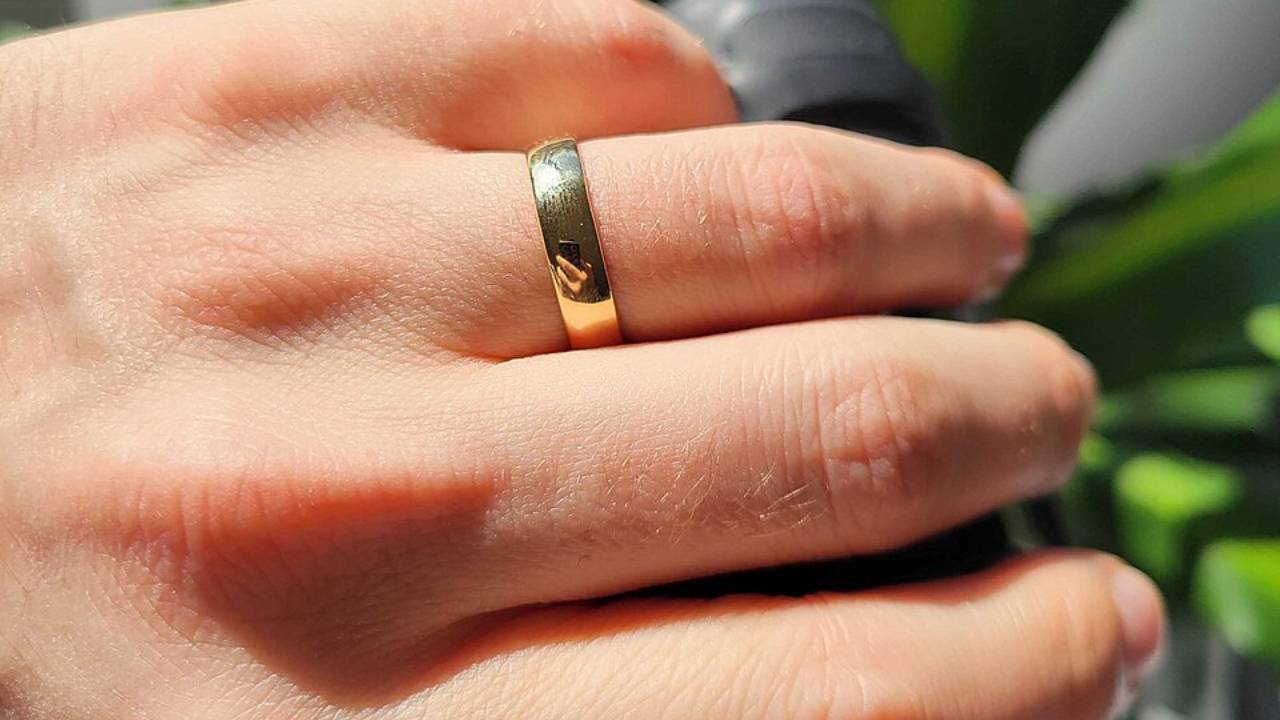
Another heartwarming human interest story dropped this week. A man lost his wedding ring in a Minnesota lake a decade ago. A nine-year-old niece recently scooped it out of the muck, miraculously intact, coated in a decade of algae and romantic validation. The internet erupted in applause. Newspapers framed it as a triumph of destiny, a testament to enduring love, and proof that what is meant to be will always find its way back home.
It is absolute sentimental garbage.
Let us dispense with the fairy tales. I have spent two decades advising high-net-worth clients on asset management, estate liquidation, and psychological blind spots regarding physical property. I have watched otherwise rational adults blow millions protecting items of zero intrinsic worth simply because a jeweler slapped a markup on a strip of refined metal and coerced them into reciting poetry over it.
That ring sitting at the bottom of the lake for ten years was not a tragic loss waiting for a Hallmark ending. It was a blessing in disguise. The owner just lacked the market awareness to realize it.
The Economics of Sentiment
We need to define what a wedding ring actually is before we romanticize its recovery. At its core, a standard gold or platinum wedding band is a commodity. It is industrial scrap stamped into a circular shape.
When you buy a brand-new band from a retail storefront, you pay a four-hundred percent markup for brand positioning, overhead, and emotional extortion. The moment you walk out the door, that asset depreciates harder than a luxury sedan driven off a cliff. If you tried to melt down that recovered lake ring and sell it to a gold exchange today, you would get a fraction of its original purchase price. The market does not care about your vows. The market cares about weight and purity.
Yet, society acts as though misplaced jewelry carries metaphysical weight. People spend thousands on insurance policies, custom trackers, and sleepless nights worrying about losing a piece of metal.
Imagine a scenario where you lose a stock certificate or a Treasury bond for ten years, find it floating in a puddle, and throw a parade because the paper is still wet. You would be institutionalized. But because it goes on a finger, we pretend physics and economics do not apply.
Sentimentality is the most expensive tax you can levy on your own sanity.
The Flawed Logic of Replacement Value
People love to ask whether lost items can be recovered or if insurance will cover the emotional gap. That is the wrong question entirely. The question you should be asking is why you tied a multi-year psychological dependency to a piece of polished earth crust in the first place.
When that ring slipped off the owner's finger into the Minnesota silt a decade ago, two things happened:
- The universe relieved him of a physical liability.
- He gained a clean slate to redefine his commitment without wearing a literal ball and chain of precious metals.
Recovering it ten years later does not restore the past. It exhumes it. It forces a middle-aged man to strap a decade-old artifact back onto his hand, pretending that time stopped the day he dropped it. Human beings change. Marriages evolve. Relationships either adapt through communication and mutual respect or they stagnate. None of that is dictated by whether a piece of brass-alloyed gold is sitting in a lake bed or on a nightstand.
I have seen clients spend small fortunes hiring professional recovery divers, renting sonar equipment, and tearing up shorelines for sentimental trinkets. The cost of the recovery operation frequently exceeds the actual melt value of the recovered object by an order of magnitude. It is financial illiteracy masked as romantic devotion.
The Uncomfortable Truth About Relics
Let us address the downsides of my contrarian stance, because intellectual honesty demands it. Yes, rejecting the cult of jewelry makes you look callous at family dinners. Your spouse might raise an eyebrow if you suggest that losing your wedding band is a tax write-off rather than a tragedy.
Society relies on shared myths to maintain order. Rings are physical tokens of an invisible contract. If you dismantle the token, nervous onlookers assume you are dismantling the contract.
That is lazy thinking. A marriage does not derive its structural integrity from a circular piece of metal mined by underpaid laborers in a foreign quarry. If your relationship hinges on whether a nine-year-old can fish a piece of junk out of a lake, your foundation was already cracked.
The niece who found the ring deserves praise for her tenacity and sharp eyesight. That is impressive underwater scouting for a child. But the narrative built around her discovery is a collective delusion.
Stop insuring your anxiety. Stop treating retail markup as a sacred trust. If you drop your wedding ring in a lake, wave goodbye, collect the insurance payout if the math makes sense, and buy yourself something that actually generates cash flow or brings modern utility.
Let the fish keep the gold.