Howard Lutnick didn’t misspeak. He didn’t have a lapse in diplomatic judgment. When he looked at the current state of North American trade and told Canada they "suck," he was delivering the kind of blunt-force trauma the Canadian economy has been begging for since the 2018 USMCA renegotiations.
The media is busy clutching their pearls over the "tone" of the incoming U.S. Commerce Secretary. They are worried about "tradition" and "neighborly relations." They are missing the point entirely. Lutnick isn't playing a game of manners. He’s running a diagnostic on a broken trade relationship, and the results show that Canada has been coasting on a 20th-century playbook in a 21st-century protectionist world.
The lazy consensus says this is a threat to stability. The reality? Stability is exactly what’s killing the Canadian competitive edge.
The Myth of the Equal Partner
For decades, the Canadian political establishment has operated under the delusion that the U.S. needs Canada just as much as Canada needs the U.S. That might have been true when the world was desperate for raw materials and oil was at $140 a barrel. It isn't true today.
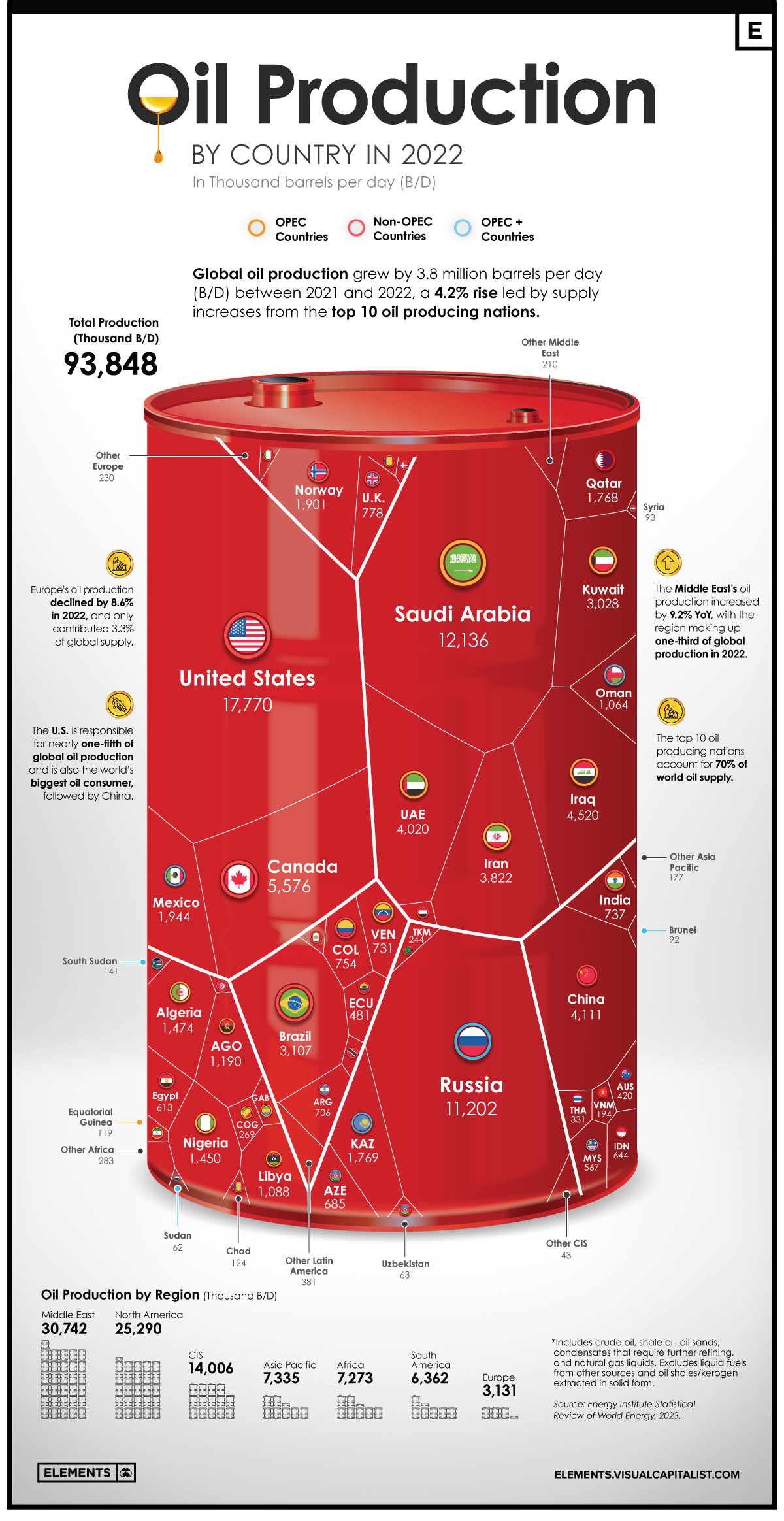
The U.S. is now the world’s largest producer of oil and gas. American manufacturing is reshoring at a pace not seen since the post-war era. When Lutnick talks about winding back trade deals, he isn't being a bully. He is recognizing that the United States is holding all the cards. Canada accounts for roughly 75% of its exports going south of the border. The U.S. sends less than 20% of its exports north.
That isn't a partnership. That is a dependency.
If you’re the CEO of a company and one client provides 75% of your revenue, you don't dictate terms. You adapt or you die. Canada has spent the last eight years thinking they can dictate terms via moral superiority and environmental virtue signaling. Lutnick is just the first person to say the quiet part out loud: the U.S. is tired of subsidizing the Canadian welfare state through imbalanced trade terms.
Supply Management is a Suicide Pact
Let’s talk about the elephant in the room that every Canadian politician is too terrified to touch: Supply Management.
The Canadian dairy, poultry, and egg sectors are protected by a medieval system of quotas and tariffs that would make a Soviet central planner blush. We are talking about tariffs that often exceed 200%. This is the "sucking" Lutnick is referring to. While Canada demands open access to American tech and manufacturing markets, it keeps its own agricultural sector locked behind a wall to protect a handful of wealthy farmers in key voting districts.
It’s hypocritical. It’s inefficient. And it’s a massive tax on the Canadian consumer.
I’ve watched trade negotiators spend months arguing over the price of a block of cheddar while the larger industrial base of the country erodes. By protecting a legacy industry that represents a fraction of the GDP, Canada is handing the U.S. the perfect ammunition to dismantle the USMCA. Lutnick knows this. He’s signaling that the "carve-outs" are over. If Canada wants to play in the big leagues of the North American market, it has to stop acting like a protected colony.
The Productivity Gap is a National Emergency
The reason Lutnick’s comments sting is because they are objectively true when you look at the data. Canadian productivity has been in a freefall relative to the U.S. for twenty years.
According to the Fraser Institute and various OECD reports, Canadian GDP per capita is falling further behind every single American state, including the ones we used to pity. In 2022, the average Canadian was poorer than the average resident of Alabama. Think about that.
The U.S. economy is a high-octane engine of innovation and risk-taking. The Canadian economy is a collection of three oligopolies in a trench coat: telecommunications, banking, and groceries. We don't innovate; we rent-seek. We don't build; we real estate-speculate.
Lutnick isn’t "attacking Canada." He’s pointing out that a country with stagnant productivity and a hostile regulatory environment for resource development is a bad business partner. If Canada "sucks," it’s because it has chosen safety over growth. It has chosen regulation over results.
Digital Services Taxes and the Art of the Own Goal
One of the specific triggers for Lutnick’s ire is the Canadian Digital Services Tax (DST). This is a classic example of "small country syndrome." Canada decided to tax American tech giants because they were "extracting value" from Canadian users.
This was a move designed for domestic applause, not economic reality.
Predictably, the U.S. viewed this as a direct attack on its most valuable companies. When you poke a bear that is ten times your size, don't be surprised when it swats back. Lutnick is signaling that the U.S. will use Section 301 investigations and retaliatory tariffs to make the cost of that DST ten times higher than any revenue it brings in.
It is a failure of basic arithmetic. Canada is trying to extract pennies from Google and Amazon while risking billions in automotive and steel exports. It’s amateur hour in Ottawa, and the pros in New York and D.C. are losing patience.
The USMCA Review in 2026 is a Reckoning
The 2026 sunset clause in the USMCA isn't a formality. It’s a guillotine.
The "lazy consensus" in the Canadian media is that the U.S. won't actually blow up the deal because the supply chains are too integrated. This is a dangerous assumption. Lutnick and the new administration don't care about "integrated supply chains" if those chains result in American job losses or a trade deficit they deem unacceptable.
They are willing to endure short-term pain for a long-term restructuring of the global order. Canada’s strategy of "charming the Americans" with poutine and shared history is dead. Lutnick is a guy who built Cantor Fitzgerald back from the ashes of 9/11. He doesn't care about your feelings. He cares about the balance sheet.
If Canada shows up to the 2026 negotiations with the same "we are your best friend" routine, they will be gutted.
Stop Fixing the Relationship and Start Fixing the Economy
The common advice for Canada is to "build better relationships" with U.S. governors and senators. That is a waste of time.
You don't fix a trade war with a PR campaign. You fix it by becoming an indispensable partner. Right now, Canada is an optional partner.
Imagine a scenario where Canada actually leveraged its natural resources instead of apologizing for them. If Canada became the primary, low-regulation, high-output provider of critical minerals needed for the American tech and defense sectors, Lutnick wouldn't be talking about winding back trade deals. He’d be talking about deeper integration.
Instead, Canada has made it nearly impossible to open a new mine. It has strangled its own LNG industry while the U.S. became a global export powerhouse. Canada is a G7 nation acting like a boutique NGO.
The Downside of the Hardline
Is Lutnick’s approach risky? Of course.
A trade war between the U.S. and Canada would be catastrophic for both sides. The price of cars would skyrocket. Food security would be threatened. The border, the most efficient economic artery in the world, would clog.
But here is the hard truth: the U.S. can survive a trade war with Canada. Canada cannot survive a trade war with the U.S.
By being the "bad cop," Lutnick is forcing Canada to look in the mirror. He is providing the external shock necessary to break the Canadian addiction to mediocrity. If the threat of losing USMCA access doesn't force Canada to deregulate, drop supply management, and fix its productivity crisis, nothing will.
The End of Diplomatic Politeness
For too long, Canada-U.S. relations have been handled by career diplomats who speak in riddles and "win-win" clichés. Howard Lutnick has ended that era.
He is telling Canada that the free ride is over. He is telling Canada that their internal policies—from carbon taxes to housing bubbles—are making them an unreliable and unattractive partner.
You can call him arrogant. You can call him a bully. You can say he doesn't understand "Canadian values." But you cannot say he is wrong about the trajectory of the Canadian economy.
Canada has spent decades thinking it could have a European-style social safety net with American-style market access, all while contributing the bare minimum to continental defense and industrial innovation. That deal is off the table.
Lutnick isn't the problem. He’s the messenger. And the message is simple: Get competitive, or get left behind.
Stop complaining about the "sucks" comment. Start asking why he’s right. Then do something about it.
Build something. Mine something. Export something that isn't a real estate derivative.
The clock to 2026 is ticking, and Howard Lutnick doesn't take prisoners.