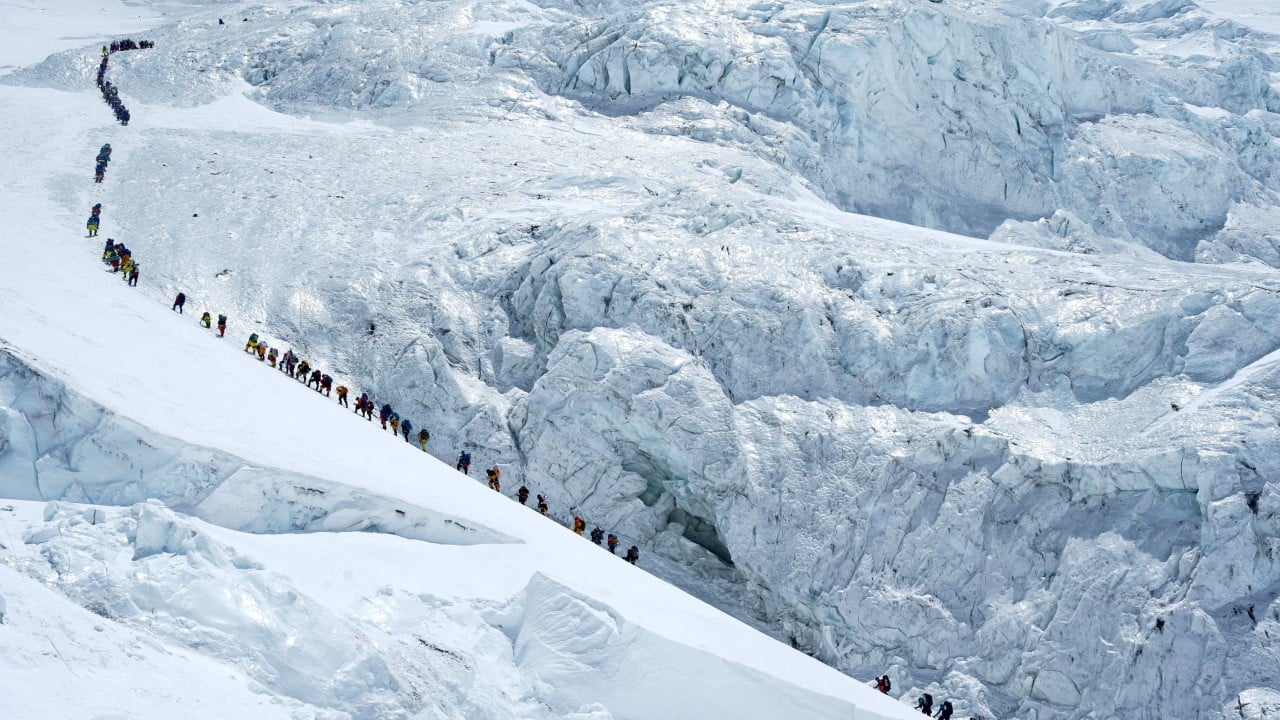
The media is having a collective meltdown over a proposed ultra-exclusive ski mountain in Colorado. The narrative is practically copy-pasted across every major news outlet: greedy developers are carving up pristine wilderness to build a private playground for billionaires, freezing out the average skier and destroying the soul of the American West.
It is a beautiful, emotionally satisfying story. It is also completely wrong.
The outraged critics weeping over the corporatization of the slopes are missing the massive, blindingly obvious reality of the modern ski industry. Megacompanies have already turned public mountains into overcrowded, corporate amusement parks. The rise of a hyper-private, 0.01% ski enclave is not the tragedy. It is the inevitable, necessary valve that might actually save public skiing for everyone else.
If you want to protect affordable access to the mountains, you should be cheering for the billionaires to isolate themselves on their own private peaks.
The Myth of the Accessible Public Mountain
The outrage machine operates on a flawed premise: that public ski resorts are currently a bastion of egalitarian, middle-class recreation.
They are not. That ship sailed a decade ago.
Walk up to the window at Vail, Steamboat, or Aspen without a pre-purchased season pass, and a single-day lift ticket will run you north of $300. Add in parking, gear rentals, and a couple of lackluster burgers, and a family of four is looking at a $1,500 day. The consolidation of the industry under multi-resort passes has created an illusion of affordability for hardcore locals, but it has simultaneously triggered unprecedented overcrowding.
We have traded financial accessibility for logistical misery.
The modern public ski experience is defined by two-hour gridlock traffic on I-70, fighting for a $50 parking spot, and standing in a 30-minute lift line just to dodge out-of-control tourists on a scraped-out sheet of ice. The mega-resorts have maximized shareholder value by overselling passes and under-building infrastructure.
The critics screaming about a private ultra-luxury resort are acting as if developers are stealing a pristine, public resource from the masses. In reality, the mega-rich are trying to escape a system that is already broken. And we should let them.
The Economic Reality of Segregated Luxury
When the ultra-wealthy ski at public resorts, they do not mingle with the masses. They distort the local economy to the detriment of everyone else.
Consider how wealth interacts with a town like Aspen or Vail. High-net-worth individuals do not just buy lift tickets; they buy up local real estate, driving property taxes through the roof and pricing out the teachers, firefighters, and ski instructors who keep the town alive. They hire private guides, taking up limited resources. They book out every table at the top restaurants, pricing the menu out of reach for regular visitors.
By building a completely self-contained, private mountain community, developers are essentially building a gilded cage.
Imagine a scenario where the world's wealthiest skiers spend their millions inside an isolated, private ecosystem. They buy land within that specific development. They ski on private snow. They dine at private clubs.
Every billionaire who buys into a private mountain is one less billionaire bidding up the price of a condo in town, one less private jet taking up space at the local regional airport, and one less skier crowding you out of the lift line at a public resort. Segregation of luxury isolates the inflationary pressure of extreme wealth.
The Environmental Hypocrisy of Mega-Resorts
The environmental objection to private developments is the most logically bankrupt argument in the entire debate.
Activists claim that developing a private mountain destroys local ecosystems and wastes water via snowmaking. Yet, these same critics remain silent about the massive, sprawling expansions undertaken by public mega-resorts to accommodate the sheer volume of pass holders.
A private resort catering to a few hundred members has a remarkably small physical footprint compared to a commercial giant. A private mountain does not need massive, multi-acre asphalt parking lots to hold thousands of cars. It does not require high-speed, six-person lifts running at maximum capacity every thirty seconds, grinding down the mountain's natural terrain.
Fewer skiers mean less grooming, less artificial snowmaking, less sewage infrastructure, and less wildlife disruption. From a pure conservation standpoint, a low-density, high-cost development is significantly more sustainable than a high-density, high-volume commercial ski factory.
Why the Mega-Resorts Want You to Hate Private Mountains
The loudest voices fueling the outrage against private ski enclaves are often funded, directly or indirectly, by the corporate entities that control the public ski industry.
Why? Because private mountains represent a terrifying threat to their business model.
The current corporate ski model relies on a tiered system of monetization. They sell cheap passes to the masses to guarantee baseline revenue, but they make their real margins on premium add-ons: VIP parking, fast-pass lift lines, luxury lodging, and private lessons. They need the wealthy to subsidize the cheap passes.
If the truly wealthy abandon public resorts for private mountains, that cross-subsidization model collapses. Corporate resorts will no longer be able to gouge billionaires for $1,000-a-day private lessons to offset the cost of discounted season passes.
The corporate panic is not about equity or access; it is about retaining their highest-margin customers. They want the wealthy stuck in the same lines as you, paying premium premiums to skip ahead, because that is how corporate ski conglomerates hit their quarterly earnings targets.
Stop Fighting the Gilded Slope
The romantic notion of the rugged, affordable, blue-collar ski town is dead, and it is not coming back. It was killed by corporate consolidation, cheap credit, and global tourism, long before anyone pitched a private mountain for the 0.01%.
The solution to overcrowding and skyrocketing costs at public mountains is not to ban private developments. The solution is to let the ultra-wealthy build their own isolated sandboxes, pay exorbitant taxes into the local community, and leave the rest of the mountains to people who actually want to ski, rather than those who just want to be seen skiing.
Stop wasting energy fighting the creation of private enclaves. Demand that local municipalities leverage those private developments for massive impact fees to build affordable housing for workers in the main town. Force them to fund public transit. Use the billionaires' money to insulate the actual community.
Let them have their private mountain. It keeps them off ours.