Time moves differently when you have watched nearly twelve decades slip through your fingers like dry sand.
Most of us measure our lives in mortgages, promotions, and the fading photographs of grandparents we barely remember. We panic over crow's feet and fret about the expiration dates printed on milk cartons, convinced that thirty is old and fifty is a threshold of decline. But somewhere in the sun-drenched hills of Costa Rica, a man was born during the administration of Theodore Roosevelt, lived through two world wars, watched humanity land on the moon from a grainy black-and-white television, and simply kept waking up every single morning.
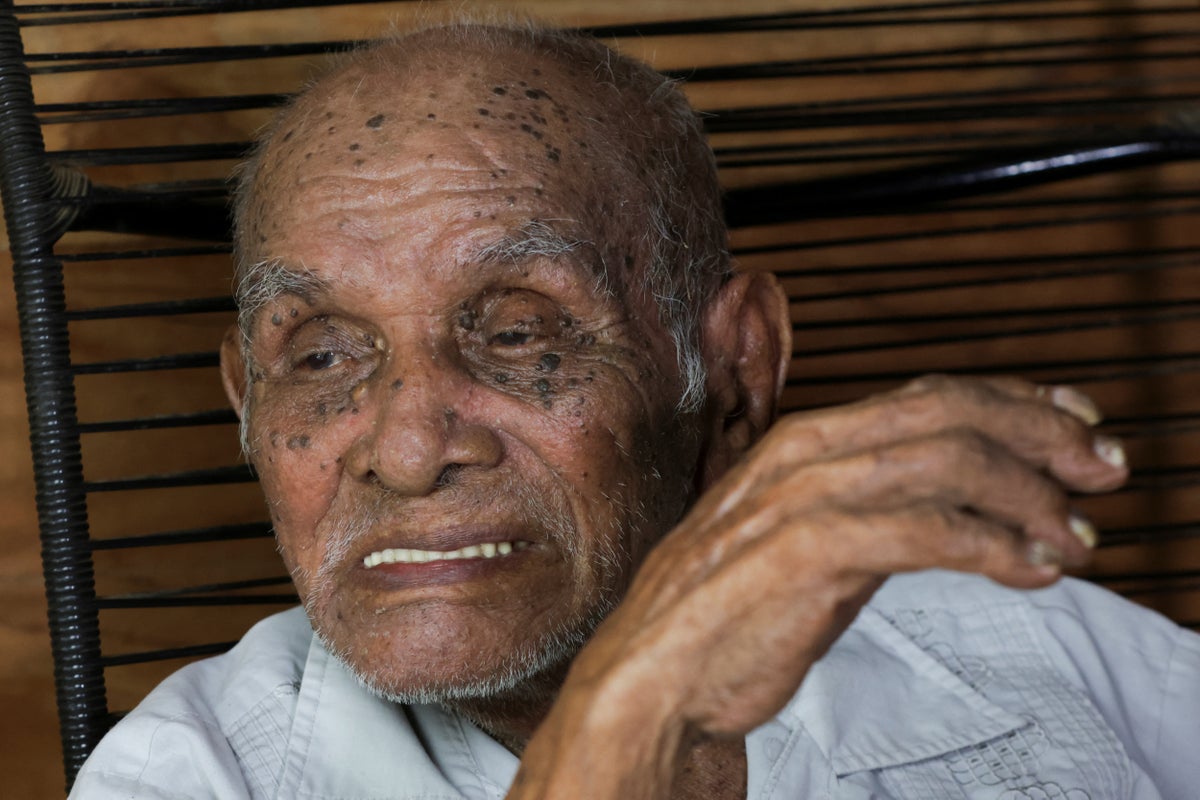
His name is Marcelino Abad Tolentino. Or, to the neighbors who have spent decades trading nods with him on dusty pathways, simply Chino.
When official documentation began catching up with the reality of his existence, the world suddenly scrambled to measure him. Guinness World Records received the paperwork. Gerontologists adjusted their bifocals, pulled up digital databases, and squinted at birth registries written in fading ink from the year 1900. One hundred and nineteen years. Think about that number. It is not just a statistical anomaly. It is an entire epoch wrapped in wrinkled skin, a walking library of human endurance that predates modern aviation, commercial electricity, and the very concept of the weekend.
Yet, when you look past the headlines shouting for recognition, past the bureaucratic race to crown him the oldest living man on earth, a much quieter, more haunting question emerges.
How?
We crave the secret. Our modern obsession with wellness is a multi-billion-dollar panic room. We swallow handfuls of synthetic supplements, track our sleep cycles with glowing plastic wristbands, and pay small fortunes for cold plunges and alkaline water, all because we are terrified of the dark end of the hall. We want longevity to be a formula. We want Chino to hand us a scroll containing a magic diet or a specific breathing exercise that guarantees twenty extra years of youth.
Instead, his reality defies our sterile laboratories.
Chino did not live this long because he had access to a boutique longevity clinic in Zurich. He lived because he belongs to the earth in a way modern humans have completely forgotten. For the vast majority of his century-plus on this planet, his existence was anchored to rural simplicity. He ate what the soil provided. He walked miles under an unforgiving sun not for cardiovascular optimization, but because walking was simply how you visited your neighbor or reached the market.
There is an intrinsic poetry to it. While we sit in climate-controlled boxes staring at blue-light screens and wondering why our backs ache at thirty, a man deep in the Costa Rican countryside spent over a century breathing air untainted by industrial exhaust, moving his body because the day demanded motion, and eating food that never saw the inside of a brightly lit supermarket aisle.
We have complicated survival into an academic discipline. We study microbiome diversity, telomere shortening, and cellular senescence as if we can outsmart biology with enough data points. But standing next to a man who was already a teenager when the Titanic sank, the illusion of our control strips away.
Nature does not negotiate with our schedules.
Consider what happens when a life is stripped down to its rawest essentials. No rush hour traffic. No frantic late-night emails about quarterly projections. No endless scroll of global catastrophes delivered instantly to your pocket twenty-four hours a day. Just the rhythm of sunrise and sunset. Just the steady, unhurried beating of a heart that has pumped blood through chambers for more than forty-three thousand days.
Scientists will undoubtedly sequence his DNA. They will map his genome looking for the rare genetic mutations that protect his cells from the ravages of time. They will write academic papers about metabolic resilience and immune system durability. They want to bottle what he has, patent it, and sell it back to us in a sleek glass dropper bottle.
They might even find something. Genetics play a heavy hand in the lottery of extreme old age. But reducing a 119-year life to a string of base pairs misses the entire soul of the narrative.
To live that long is to witness the total erasure of everything you once knew. Imagine outliving your friends, your siblings, your peers, and entire generations of younger people who looked up to you. Imagine watching the language of daily life morph into something unrecognizable, where horses and buggies gave way to roaring steel machines, and paper letters transformed into invisible waves of digital information. The psychological weight of that survival must be immense. To carry that much history inside a single brain is to walk among ghosts while still breathing the warm Central American air.
And yet, reports from those who have spent time with him do not describe a man weighed down by existential dread. They describe a quiet presence. A man rooted so deeply in the present moment that the passage of decades ceased to matter long ago.
We are so obsessed with adding years to our life that we forget to add life to our years. We hoard time like misers, terrified of spending a single moment on anything that does not optimize our productivity or advance our status. We rush through our meals, rush through our conversations, and rush toward weekends, effectively wishing away the very days we are trying so desperately to prolong.
Chino never rushed. You cannot rush a century.
When the official paperwork clears and the certificates are signed, the world will likely move on to the next fleeting curiosity. Another record will be broken. Another flashbulb will pop. The news cycle will churn forward, chewing up marvels and spitting them out into the digital landfill.
But the image of that small, weathered man in Costa Rica remains. It sits quietly in the back of the mind, a persistent whisper challenging everything we think we know about the modern human condition.
He stands as a living monument to a simpler truth. We are creatures of the natural world, whether we choose to admit it or not. No amount of technology can replace the healing power of clean soil, fresh air, physical labor, and a mind untethered from the relentless anxiety of modern urgency.
The sun goes down over the mountains. The shadows lengthen across the dirt. Somewhere in that quiet darkness, a heart that began beating in 1900 takes another steady, unbroken breath.