The sound of a basketball hitting hardwood is a heartbeat. It is rhythmic, predictable, and safe. For thirteen seasons, Jason Collins lived inside that rhythm. He was a "glue guy," a seven-foot barrier of muscle whose job was to do the dirty work that stars didn't want to do. He set the screens that freed the shooters. He took the charges that left bruises. He committed the hard fouls that sent a message. In the pressurized, hyper-masculine ecosystem of the NBA, Jason Collins was the ultimate invisible man.
Then, he decided to be seen.
When the news broke that Collins had passed away at the age of forty-seven, the sports world didn't just mourn a retired center with modest career averages. They mourned a crack in the dam. They mourned the man who, in 2013, looked at the most profitable and scrutinized sports league on the planet and decided he was tired of holding his breath.
The Weight of the Secret
To understand why a 47-year-old’s death feels like a tectonic shift, you have to understand the silence that preceded him. Imagine walking into a locker room—a place of raw ego, high-fives, and aggressive camaraderie—while carrying a truth that you believe could end your livelihood.
For the first twelve years of his career, Jason Collins lived in a state of constant translation. Every "we" he spoke was carefully audited. Every story about a weekend away was edited in real-time. It is an exhausting way to live. It is a slow-motion tax on the soul. He played for the Nets, the Grizzlies, the Timberwolves, the Hawks, the Celtics, and the Wizards. Six cities. Hundreds of teammates. Thousands of plane rides. And in every one of them, he was a ghost in plain sight.
Collins wasn't a superstar. He wasn't LeBron James or Kobe Bryant. He was a worker. In the NBA, workers are replaceable. If a star comes out, the league pivots around them because they are an asset. If a journeyman comes out, he risks being "too much trouble" for a backup roster spot. That was the invisible stake. He didn't just risk his reputation; he risked his rent.
The Jersey Number That Spoke
When he finally wrote those words for Sports Illustrated—"I’m a 34-year-old NBA center. I’m black. And I’m gay"—he wasn't looking for a parade. He was looking for air.
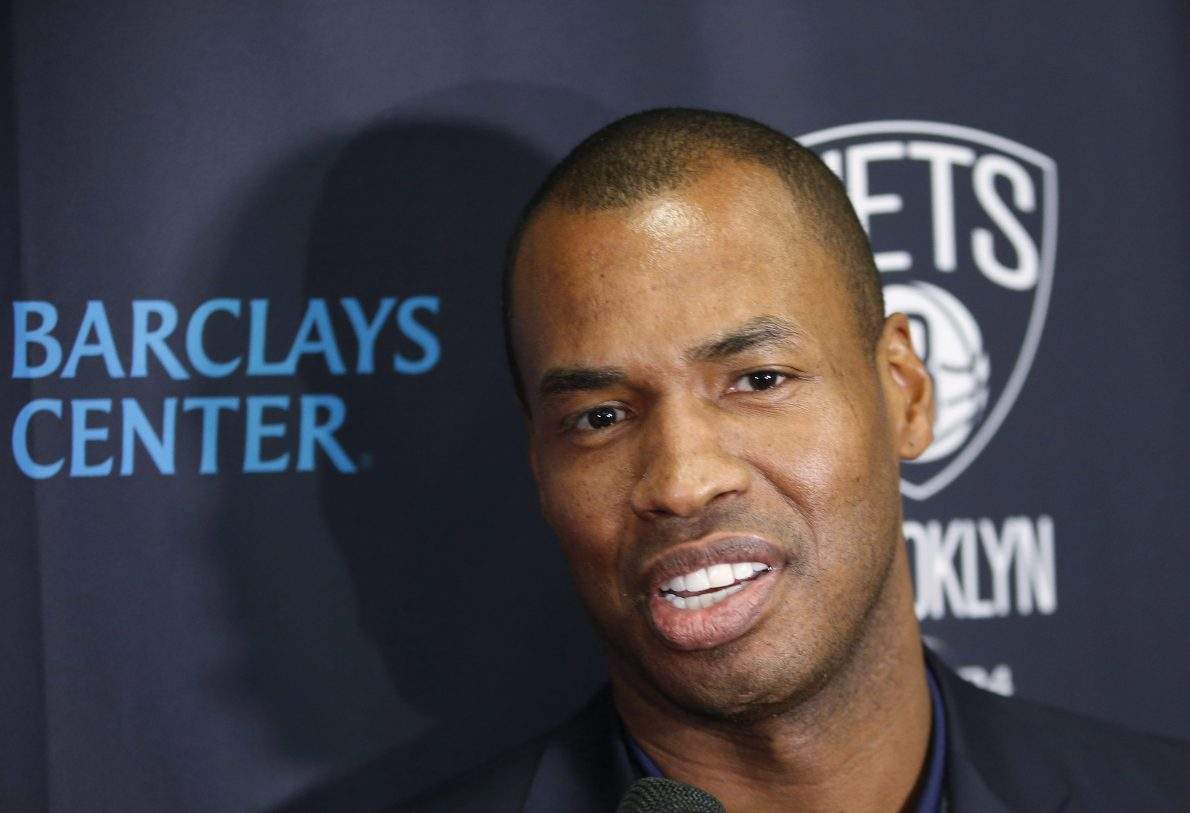
The most human detail of his journey wasn't the press conferences or the phone call from the President. It was a choice he made on the court. When he signed with the Brooklyn Nets after coming out, he chose the number 98. To the casual fan, it was just a high number. To those who knew, it was a quiet, devastating tribute to Matthew Shepard, the college student murdered in a hate crime in 1998.
Every time Collins crashed the boards or blocked a shot wearing that number, he was carrying a history of pain and a hope for protection. He transformed a polyester jersey into a memorial. He made the hardwood a place of advocacy without saying a single word during the game.
The Professional Price of Truth
There is a myth that once you "come out," the story ends in a sunset. Reality is crunchier. After his announcement, Collins spent months as a free agent. The phone didn't ring. People wondered if the "distraction" was worth the talent. This is the part of the story where most people would have retreated into bitterness.
Instead, he waited. He stayed in the gym. He kept his body ready at an age when most seven-footers’ knees have turned to gravel. When the Brooklyn Nets finally called in February 2014, it wasn't a PR stunt. They needed a big man who knew how to defend the post.
He took the floor against the Los Angeles Lakers and did exactly what he had always done. He fouled. He boxed out. He played twelve minutes and didn't score a single point. It was the most beautiful, boring performance in the history of the league. By being unremarkable on the stat sheet, he proved the most remarkable point of all: a gay man could play professional basketball and the sky wouldn't fall. The game remained the game.
A Life Cut Short
The facts of his passing are a cold reminder of our fragility. Forty-seven is not an age for legacies to be sealed; it is an age for second acts to begin. In the years following his retirement, Collins didn't fade away. He became a fixture in the NBA’s efforts to promote inclusion, acting as an ambassador who could speak both the language of the front office and the language of the paint.
He understood the sociology of the locker room. He knew that progress doesn't happen because of a memo from the Commissioner; it happens because of the guy sitting on the bench next to you. He changed hearts by being a good teammate first and an icon second.
We often talk about "trailblazers" as if they are made of stone, immune to the heat of the fire they walk through. We forget they bleed. We forget they worry about their parents, their brothers—like his twin, Jarron—and their own place in a world that isn't always ready for them.
The Legacy of the Glue Guy
Jason Collins never won an NBA championship. He never made an All-Star team. If you look at a spreadsheet of his career, you might see a series of modest numbers that suggest he was just another player passing through.
But spreadsheets are terrible at measuring courage. They can't calculate the weight of the breath he finally let out in 2013. They can't track the number of young athletes who saw a seven-foot man stand tall and realized they didn't have to shrink themselves to fit into a jersey.
The tragedy of his death at forty-seven is the loss of a voice that was still finding its full volume. Yet, the story he wrote is finished enough to endure. He wasn't just a basketball player who happened to be gay. He was a man who decided that the most important defensive play of his life was defending his right to be known.
In the end, Jason Collins didn't just break a barrier. He proved that the barrier was an illusion kept alive by fear. He walked through it, took his position in the post, and waited for the whistle to blow. He played his part. He told his truth. He left the court better than he found it.
The locker room is a little quieter today, but for the first time in a long time, it isn't because someone is hiding.