Donald Trump did not invent cartographic provocation, but his latest dispatch from Truth Social redefines the weaponization of geography. By posting a map branding the Strait of Hormuz as "New U.S. Territory," the White House moved past standard diplomatic signaling and stepped directly into the realm of neo-imperial posturing.
The image, shared without a caption, circled the narrow maritime choke point between Iran and Oman. It followed a weekend speech at a New York police academy where the president vowed to claim the passage once his ongoing conflict with Tehran concludes. Yet beneath the bluster lies a hard economic reality that affects every driver pumping gas in the United States and every tanker navigating the troubled waters of the Middle East.
Roughly twenty percent of the world's petroleum and liquefied natural gas passes through this narrow maritime corridor. When Tehran keeps the strait locked down to squeeze international markets, global energy prices spike immediately. Brent crude dances near ninety dollars a barrel, and domestic gasoline climbs toward four dollars. Trump's territorial map is not merely a digital stunt. It is a calculated distraction from rising fuel costs and an aggressive assertion of de facto naval control during a six-month military standoff.
International law laughs at social media graphics. Under the United Nations Convention on the Law of the Sea, maritime straits used for international navigation fall under transit passage regimes, meaning sovereign states cannot simply draw a red circle around global shipping lanes and claim ownership. Oman, sitting directly across the water from Iran, maintains delicate bilateral negotiations with Tehran to establish alternative shipping routes. Any American attempt to permanently annex or police the channel as domestic soil would violate fundamental tenets of international maritime law and risk a direct military collision with regional actors.
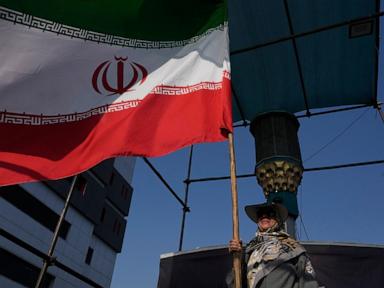
Iranian officials have openly mocked the territorial claim, insisting the channel remains firmly under their strategic leverage. Tehran continues to condition the full reopening of the waterway on the total lifting of economic sanctions, substantial financial concessions, and an end to direct military threats from Washington. Meanwhile, the United States maintains a heavy naval blockade, choking off Iranian maritime commerce while Treasury officials ready unprecedented financial penalties.
The political gamble for the administration is stark. Voters battered by inflation and higher fuel prices are beginning to feel the domestic pinch of a foreign policy doctrine that values maximum pressure over price stability. Opposition lawmakers are already weaponizing the oil price surge ahead of upcoming midterm elections, turning every tick at the pump into a referendum on the White House's Middle East strategy.
Mapping a foreign waterway onto domestic territory plays well to a base hungry for decisive displays of dominance. However, redrawing boundaries on a screen does nothing to clear the physical mines, deter hostile drone strikes, or force oil tankers safely through the bottleneck. Until a sustainable diplomatic framework replaces naval coercion, the Strait of Hormuz remains less a piece of American soil and more a volatile powder keg waiting for a match.