The map on the wall of a dusty room in New Delhi is missing several lines. Where rivers once ran clear, ink now smudges into gray gradients. Where borders stood firm as iron, question marks hover like smoke.
Maps lie. They tell us where people drew lines in the dirt, but they never tell us how heavy the ink was, or how many hands shook while holding the pen.
Thousands of miles away, winter has settled over concrete and mud. Sirens wail not as a warning anymore, but as a metronome for daily life. In classrooms with shattered windows, children trace the edges of geography textbooks with calloused thumbs, wondering if the towns printed on page forty-two still exist. Most days, they do not.
War is often sold as a theater of grand strategies—maps spread across mahogany tables, generals moving pewter pieces with calculated precision. But the reality is far more intimate. It is the sound of a tea kettle whistling in a kitchen while the ceiling is gone. It is the sudden, terrifying silence that follows an explosion. It is the exhaustion etched into the faces of people who have forgotten what a quiet Tuesday feels like.
For months, the world has watched this tragedy unfold through a lens of rigid binaries. You are here, or you are there. You stand with this side, or you become its enemy. Diplomacy has become a game of echoing megaphones, where leaders shout across oceans, waiting for applause rather than an answer.
Yet, history occasionally pivots on an entirely different axis.
Quietly, without the theatrical grandstanding that usually accompanies international summits, conversations happen behind closed doors. Words are measured. Tea grows cold. And someone suggests that maybe, just maybe, the current path leads only to a desert.
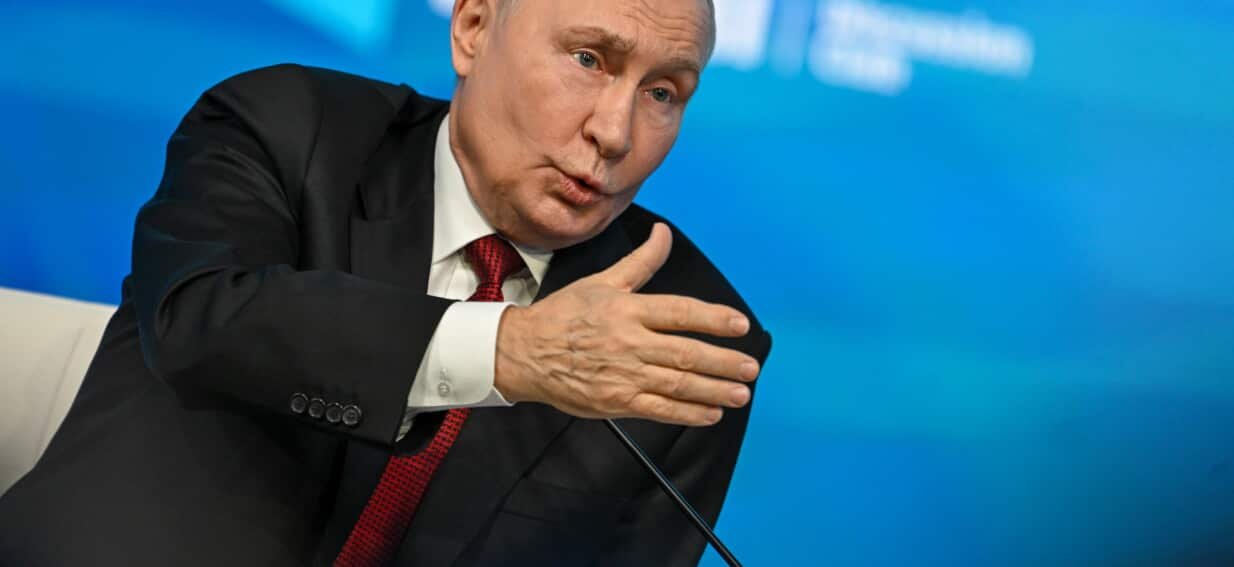
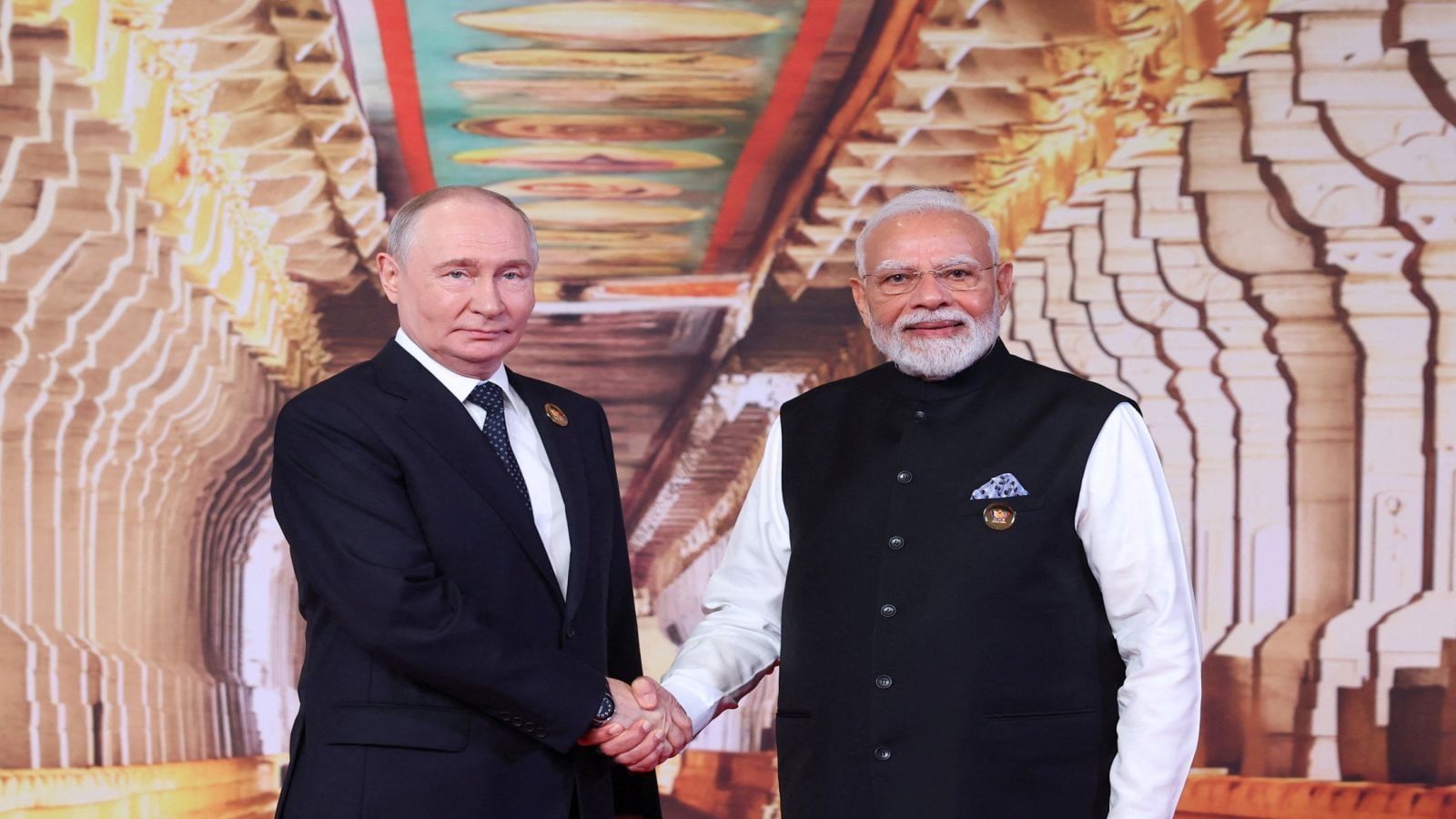
When Vladimir Putin acknowledged that Indian Prime Minister Narendra Modi had put forward ideas worth listening to regarding the conflict in Ukraine, the geopolitical commentariat scrambled. Analysts on television screens adjusted their ties, dissecting hidden motives and tactical maneuvers. They looked for leverage. They looked for angles.
They missed the human element entirely.
Consider what it takes to stand between two immovable objects and suggest a different direction. India occupies a unique, precarious space on the global stage. It maintains decades-old ties with Moscow while simultaneously building deep economic and security partnerships with Western democracies. To some, this balancing act looks like hesitation. To those who understand the weight of diplomacy, it is something else entirely: a refusal to accept that the only two choices are total war or total silence.
Imagine a diplomat sitting in a room where the air conditioning hums too loudly, trying to translate the suffering of a displaced family into diplomatic phrasing that a superpower can digest without losing face. That translation is the hardest work in the world. It requires stripping away the rhetoric of vengeance and replacing it with the stubborn, grinding mechanics of survival.
Modi's approach, described as thoughtful by those briefed on the discussions, relies less on grand ultimatums and more on the pragmatic recognition that no war ends at the negotiating table looking anything like the justifications used to start it. Every day the fighting continues, the map gets smaller. The future gets narrower.
We forget how fragile peace actually is. We treat it like a natural resource—something that will always be there, pumped from the ground or harvested from the fields, no matter how carelessly we treat the soil. But peace is an artifact. It is fragile, labor-intensive, and constantly at risk of shattering under the weight of human stubbornness.
The human cost of Ukraine cannot be measured solely in casualty statistics released by ministries of defense. Those numbers are abstractions designed to keep the horror at a manageable distance. The real measure is found in the diaspora—millions of people scattered across foreign cities, scrolling through news feeds on their phones while eating breakfast in apartments that don't belong to them, wondering if their front door is still attached to its hinges.
When leaders talk about finding a solution, the words often sound hollow. They ring with the practiced cadence of public relations campaigns. But behind those statements are real people whispering in dark rooms, looking for a way out of a burning house before the roof caves in entirely.
The tragedy of modern conflict is that stopping is often harder than starting. Pride becomes a currency more valuable than human lives. To back down is to admit failure, and in the calculus of statecraft, failure is a luxury few leaders believe they can afford.
This is why intermediary voices matter. This is why nations that refuse to join the chorus of escalation hold a vital key. They are the ones who can walk into a room where doors have been slammed shut, turn the handle, and remind everyone inside what the world looks like when the smoke finally clears.
The map is still unfinished. The ink is still wet.
Somewhere in a city far from the front lines, a phone rings. A draft proposal sits on a desk, marked up with handwritten notes in the margins—corrections, cross-outs, and small adjustments made by someone trying to find a sentence that both sides can bear to read aloud.
It is not a miracle. It is not the end of suffering. It is simply the heavy, unglamorous work of trying to keep the world from breaking completely apart. And as the snow falls over empty streets and silent fields, that small, stubborn effort remains the only thing standing between us and the dark.