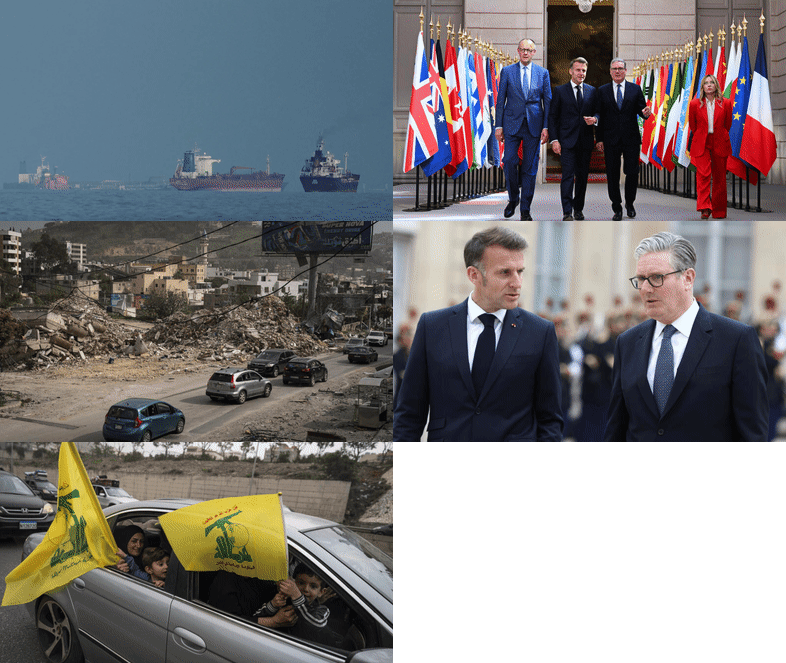
The tension in the Middle East just took a massive turn, and if you're watching your 401(k) or the price at the pump, you should probably pay attention. After seven weeks of a brutal, high-stakes conflict that saw oil prices skyrocket and global supply chains buckle, Iran has officially declared that the Strait of Hormuz is "completely open" for commercial shipping.
Wall Street didn't wait for a second invitation to celebrate. On Friday, April 17, 2026, the S&P 500 surged 1.2% to yet another all-time high. The Dow Jones Industrial Average at one point leaped over 1,100 points. This isn't just a random spike. It's the market's way of breathing a sigh of relief as the "worst-case scenario" for the global economy—a total, permanent shutdown of the world's most vital energy chokepoint—appears to be receding. Meanwhile, you can read similar stories here: Why Chinese Manufacturers are Deserting Global Expansion Plans After the Iran Conflict.
What the reopening actually looks like
Don't let the headlines fool you into thinking it's back to business as usual. Iran's Foreign Minister, Abbas Araghchi, made it clear that this opening is tied to a 10-day ceasefire currently holding in Lebanon. Shipping isn't just returning to the old lanes, either.
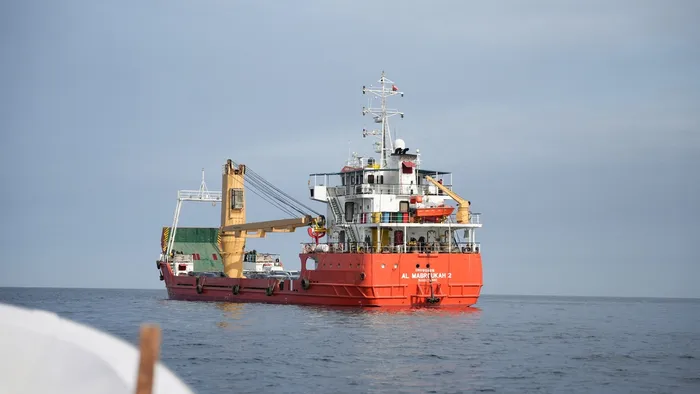
Vessels are being directed through a "coordinated route" north of the traditional lanes, specifically around Larak Island. Why? Because the original paths are likely still littered with mines. It’s a bit like a highway reopening after a massive pileup where only the shoulder is clear. You can move, but you better stay in line. To understand the complete picture, check out the excellent article by Investopedia.
The numbers tell the real story of the desperation behind this move. Since the conflict kicked off on February 28, nearly 950 merchant vessels have been trapped west of the Strait. Roughly 20,000 seafarers have been sitting in the heat, facing shortages of food and water for nearly two months. This reopening is as much a humanitarian release valve as it is a political one.
The stock market rally isn't just about oil
It's tempting to think that cheaper gas is the only thing driving the S&P 500 to record highs, but it's deeper than that. Markets hate uncertainty more than they hate bad news. For weeks, investors have been pricing in the risk of a full-scale regional collapse. Now, they're pricing in a "transaction" as President Trump calls it.
The US stock market has jumped more than 12% since its March bottom. While the Hormuz news is the latest catalyst, the rally is built on three specific pillars:
- De-escalation bets: Investors are gambling that the 10-day ceasefire will morph into a permanent deal.
- Inflation relief: A freer flow of oil drops the cost of moving everything from avocados to iPhones.
- The Tech Backdrop: Even with the war in the background, AI-driven earnings have stayed strong, giving the market a floor that didn't exist during previous energy crises.
Oil prices took a nosedive
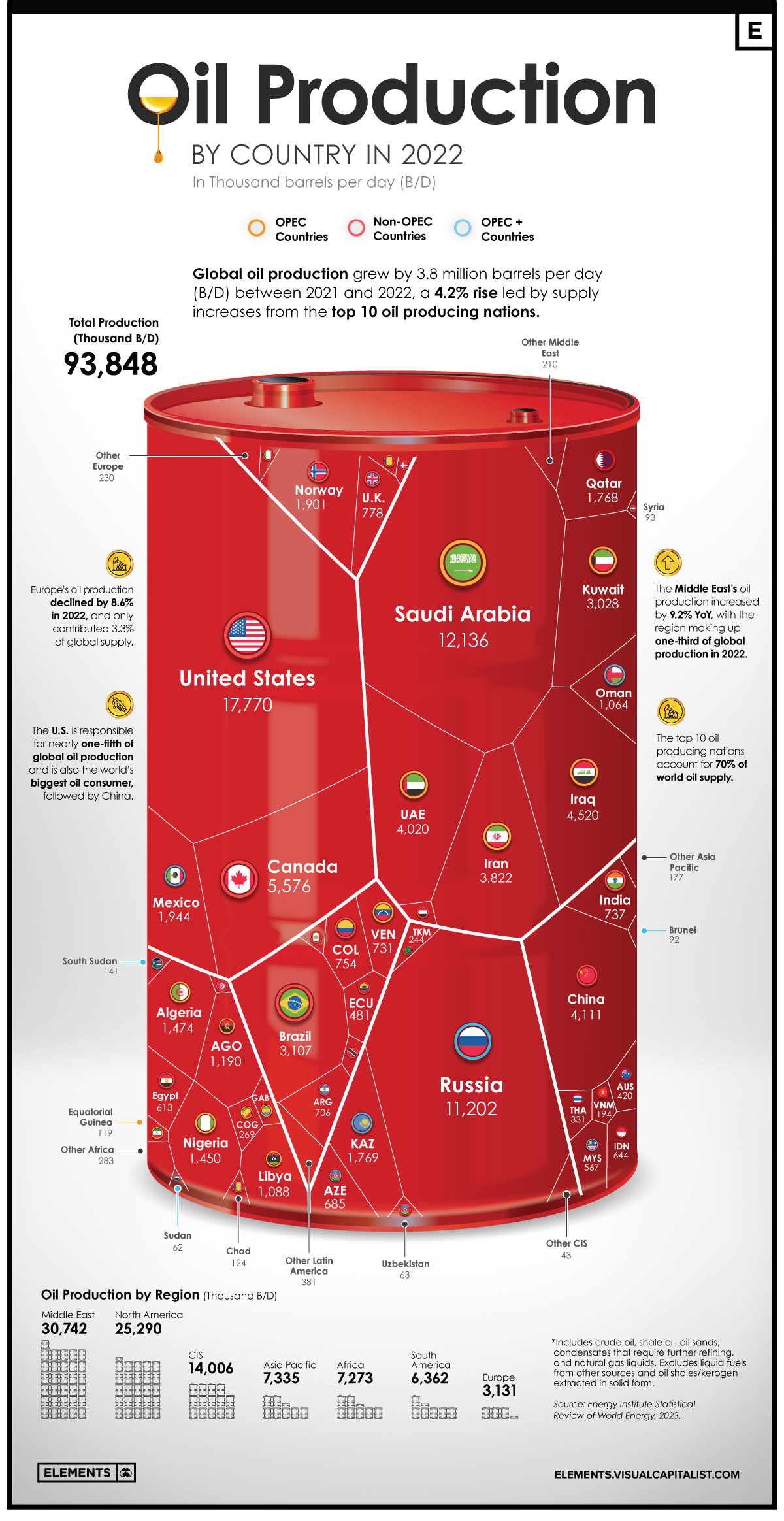
If you're wondering how fast the "fear premium" can evaporate, look at the commodities desk. Brent crude, the international benchmark, fell over 9% to settle around $90.38 per barrel. WTI (U.S. crude) tumbled 9.4% to $82.59. Just a few weeks ago, analysts were terrified of $150 oil.
| Commodity | Price Drop | Settlement Price |
|---|---|---|
| WTI Crude | -9.4% | $82.59 |
| Brent Crude | -9.1% | $90.38 |
While $90 oil isn't "cheap" by historical standards, it’s a far cry from the supply shock that could have triggered a global recession. The International Energy Agency previously called this the largest supply disruption in history. Seeing those tankers move again is the only thing that could have stopped the bleeding.
The catch you need to know about
Before you get too comfortable, remember that the US naval blockade is still very much in effect. While the Strait is "open" for general commercial traffic, the US is still strangling Iranian ports. President Trump was blunt on Truth Social, stating the blockade remains until a "transaction" is 100% complete.
Basically, we're in a weird limbo. Iran is letting the world's oil out to ease international pressure and stabilize its own crumbling infrastructure, while the US is keeping the pressure on Iran's specific exports. It's a high-stakes poker game where the cards are starting to be shown, but nobody has pushed the chips to the center of the table yet.
What you should do now
If you’re managing your own portfolio, don't chase the green candles blindly. This rally is high-octane and built on headlines.
- Watch the April 22 deadline: That's when the current ceasefire window starts to close. If there's no extension, volatility will return with a vengeance.
- Check your energy exposure: Companies that thrived on $120 oil might see some pullback, while transport and retail stocks stand to gain from lower fuel costs.
- Monitor AIS tracking: Watch for actual vessel movements over the weekend. Statements are one thing; 300,000-ton tankers actually clearing the Strait is another.
The conflict isn't over, but the immediate threat of a global energy heart attack has been downgraded to a manageable condition. For now, the market is betting on the pragmatism of peace over the chaos of a prolonged war.