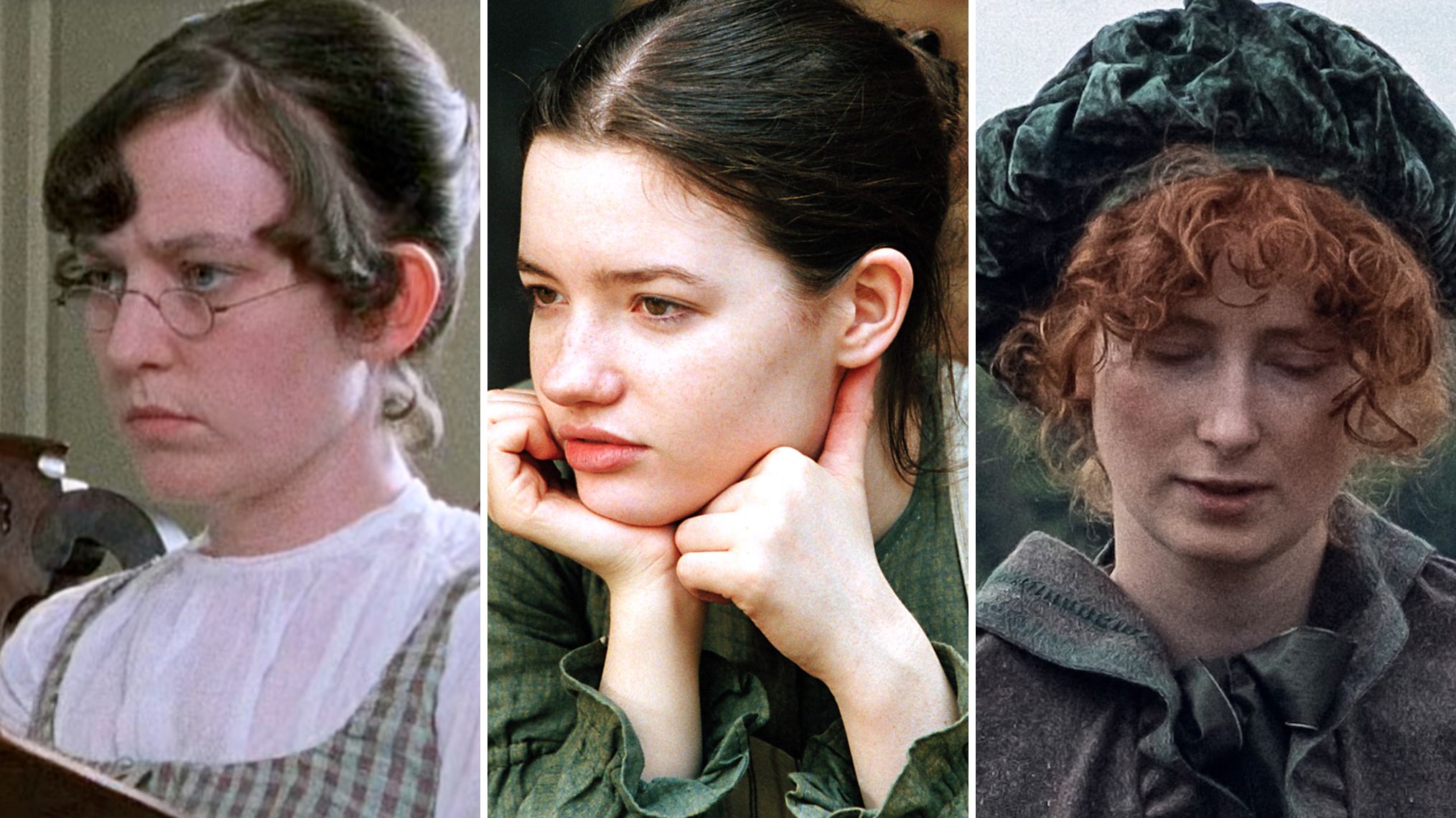
Mary Bennet is the sister everyone loves to ignore. In Jane Austen’s original Pride and Prejudice, she’s the middle child who tries too hard, plays the piano badly, and quotes moral platitudes while her sisters are busy being beautiful or witty. She’s the punchline. She’s the "plain" one. Most readers treat her as a cautionary tale about what happens when you have book smarts but zero social grace.
But there’s a massive shift happening in how we look at Mary Bennet. Janice Hadlow’s novel The Other Bennet Sister basically did the heavy lifting here, turning this neglected character into a protagonist. It’s not just a retelling; it’s a correction. If you’ve ever felt like the odd one out in your own family, Mary isn’t just a side character anymore. She’s the main event. We’re finally seeing that her awkwardness wasn't a character flaw—it was a survival mechanism in a house where she didn't fit the mold.
The Problem With Being a Middle Bennet
Living in Longbourn was a competitive sport. You had Jane, the undisputed beauty. You had Elizabeth, the clever one. Then you had the younger two, Lydia and Kitty, who were obsessed with officers and flirting. Mary was stuck in the dead center. She didn't have Jane’s face or Lizzie’s quick tongue.
So, what does a girl do when she’s told she’s the "plainest" in the family? She tries to be the smartest.
Austen wasn't exactly kind to Mary. She described her as having a "pedantic air and conceited manner." But look at the environment. Mrs. Bennet is a frantic woman obsessed with marriage markets, and Mr. Bennet is a checked-out father who spends his life hiding in a library. Mary didn't have a mentor. She had a piano and a stack of books. Her "conceit" was actually a desperate attempt to find a niche where she could actually win.
Most people miss the tragedy of Mary Bennet. She’s a girl trying to master the only things she thinks will make her valuable—erudition and music—and she’s mocked for it. When she fails at the Netherfield ball, it’s painful. She’s trying to show off her hard work, but in the Regency world, effort was seen as tacky. You were supposed to be naturally brilliant, like Elizabeth. Mary had to work for it, and that made her an easy target.
Why The Other Bennet Sister Flips the Script
Janice Hadlow’s take on Mary changes the game because it refuses to treat her like a joke. The book spends a lot of time on Mary’s childhood, showing exactly how she became so defensive and stiff. It turns out, when you’re constantly compared to a sister as perfect as Jane, you start to believe you’re fundamentally broken.
The brilliance of this reimagining is that it takes Mary out of Longbourn. In the original story, we never see Mary grow up because she’s left behind when the others marry. Hadlow gives her a life after the events of Pride and Prejudice. She lets Mary realize that she doesn't have to be a "poor man's Elizabeth."
The book argues that Mary’s real issue wasn't that she was boring; it was that she was in the wrong room. When she finally finds people who appreciate her for her mind rather than her ability to flirt, she blossoms. It’s a classic late-bloomer narrative that resonates with anyone who didn't hit their stride in high school.
The Modern Obsession With the Underdog
Why are we so obsessed with Mary Bennet in 2026? It’s pretty simple. We’re tired of the "perfect" heroine.
Elizabeth Bennet is great, but she’s also a bit of a Mary Sue in the eyes of modern critics. She’s beautiful, she’s the smartest person in the room, and she lands the richest guy. Mary is much more relatable. She’s the girl who says the wrong thing at the party. She’s the one who spends way too much time on a hobby she isn't even that good at.
We live in an era of "main character energy," but most of us are actually side characters in someone else’s story. Mary represents the introvert’s struggle. Her journey from a girl who performs knowledge to a woman who actually possesses it is a powerful arc. It’s about moving from "look at me" to "I see myself."
Stop Calling Her the Boring Sister
People call Mary boring because she doesn't have a scandalous elopement like Lydia or a high-stakes romance like Jane. But internal growth is rarely "exciting" to observers.
Mary’s struggle is internal. It’s the battle against the voice in her head telling her she’s not enough. When you read The Other Bennet Sister, you realize that Mary’s quiet life is actually full of tension. Every time she speaks, she’s terrified of being judged. Every time she picks up a book, she’s looking for a shield.
The shift from being a comic relief character to a romantic lead isn't about Mary getting a makeover. It’s not a 1990s teen movie where she takes off her glasses and suddenly she’s hot. It’s about her finding confidence in her own perspective. She stops trying to quote other people's wisdom and starts developing her own.
The Cultural Impact of the Mary Bennet Renaissance
This isn't just about one book. There’s a whole wave of "Bennet sister" fiction, but Mary’s stories always hit different. They deal with the reality of being a woman who doesn't fit the standard beauty or personality ideals of her time.
If you look at the stats on Austen-inspired media, the "hidden perspective" stories are the ones that actually stick. People are bored of the same Darcy-Elizabeth dance. They want to know what happened to the girl left in the corner.
Mary’s story is a reminder that being "plain" isn't a death sentence. In a world that values loud, performative success, Mary’s eventual peace is a radical act. She doesn't need to be the belle of the ball. She just needs to be the master of her own house.
What You Can Learn From the Other Sister
If you’re feeling like the Mary of your social circle, take a page out of Hadlow’s book. You don't need to change your personality to fit the room; you might just need to change the room.
The biggest mistake Mary made in Pride and Prejudice was trying to compete in a game she couldn't win. She tried to be "accomplished" in the way her mother wanted. Once she stopped performing for an audience that already disliked her, she found her actual voice.
Go back and read the original Austen text with this in mind. You’ll see Mary differently. You’ll see the girl who stayed home and took care of her parents while her sisters were out having adventures. You’ll see the girl who was the only one in the family who actually cared about learning, even if she was clumsy about it.
Start looking for the "Marys" in other stories. They’re usually the most interesting people there. If you want to dive deeper into this, pick up The Other Bennet Sister and then re-read the middle chapters of Pride and Prejudice. Pay attention to how often the other characters shut Mary down before she even finishes a sentence. It’ll change your entire view of the "perfect" Bennet family.
Instead of trying to be an Elizabeth, maybe it's time to embrace being a Mary. It’s a lot less exhausting, and honestly, the library is much quieter anyway. Stop apologizing for being the "oddball" and start looking for the people who think your brand of weird is exactly what’s missing.