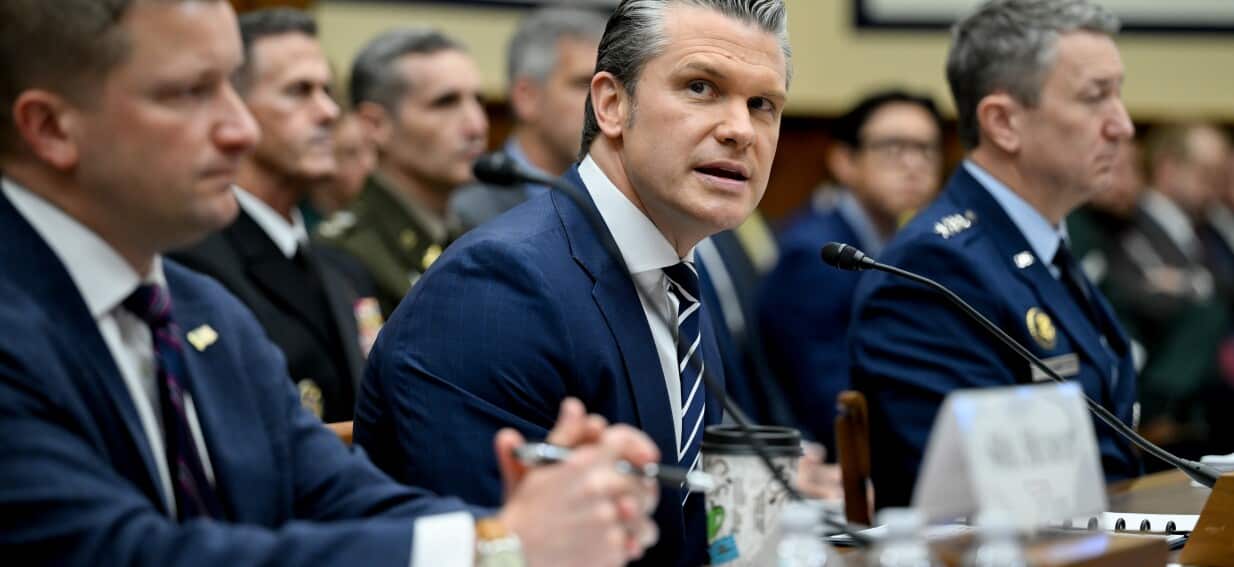
We finally have a number, and it isn't pretty. After sixty days of the Pentagon's "Operation Epic Fury" against Iran, the first official bill has come due. Acting Pentagon Comptroller Jules Hurst III sat before the House Armed Services Committee on April 29, 2026, and dropped the figure: $25 billion.
That’s how much the U.S. has burned through in just two months. To put that in perspective, $25 billion is roughly the entire annual budget of NASA. It's a staggering amount of cash for a conflict that many Americans are still trying to understand. If you feel like your wallet is thinner every time you hit the gas pump, this is why.
Where all that money actually went
If you're wondering how a military can spend $25 billion in eight weeks, you've got to look at the hardware. Most of this cash wasn't spent on soldier salaries or fuel—it was literally blown up. Hurst admitted that the majority of the cost comes down to munitions.
We aren't just talking about basic artillery shells. The U.S. has been raining down high-end precision weaponry at a rate that's honestly hard to fathom.
- Cruise Missiles: The military has launched over 1,000 Tomahawks and 1,000 JASSM air-launched cruise missiles. These aren't cheap; they cost about $2 million to $3 million a pop.
- Air Defense: Intercepting Iranian drones and missiles is even more expensive. We’ve used about 1,000 Patriot interceptors, plus hundreds of SM-3 and SM-6 missiles.
- The Daily Burn: During the first six days of the war, the U.S. was hemorrhaging $2.1 billion per day. While that has slowed down to roughly $500 million a day now, the meter is still running.
It’s not just the stuff we’re shooting. It’s the stuff we’re losing. The Pentagon confirmed that 13 Americans have been killed, and hundreds more are wounded. Beyond the human tragedy, we’ve lost expensive tech—radars, airplanes (including a damaged F-35), and base infrastructure that will cost billions more to repair or replace.
The gap between official and reality
Here’s the thing about "official" estimates: they usually lowball the true cost. While the Pentagon says $25 billion, independent analysts at the Penn Wharton Budget Model think the real number is closer to $47 billion when you factor in the full scope of April’s operations.
The $25 billion figure likely ignores the long-term tail of this conflict. It doesn't account for the lifetime of healthcare and disability benefits for the 300+ service members already injured. It doesn't fully count the cost of maintaining three aircraft carriers in the region. And it definitely doesn't include the economic blowback at home.
Gas prices are spiking because of the blockade in the Strait of Hormuz. Fertilizer costs are climbing, which means your groceries are about to get even more expensive. Defense Secretary Pete Hegseth defended the spending, saying it’s necessary to stop Iran from getting a nuclear weapon, but the public isn't buying it. A recent Reuters/Ipsos poll shows only 34% of Americans approve of this war.
What happens next for your tax dollars
Don't expect the spending to stop at $25 billion. The Pentagon is already preparing a "supplemental budget request" to send to Congress. That’s government-speak for "we need more money."
Hegseth hinted that this request won't just cover the Iran strikes. It’ll be a massive cash grab to replenish munitions stockpiles that have been depleted across the board. We're looking at a proposed $1.5 trillion defense budget for 2027—a record high that reflects a world that’s getting more dangerous and more expensive.
If you want to keep track of where this is headed, watch the mid-term elections. Democrats are already using these "affordability" numbers to hammer the administration. You should expect more heated hearings as the White House tries to justify why $25 billion was spent on a two-month air campaign while domestic issues sit on the back burner.
Keep an eye on the supplemental funding bill when it hits the House floor. That’s when we’ll see the real price of "deterrence" and how much more the U.S. is willing to pay to keep this conflict going.