Mauritius officially lifted its nationwide curfew this week following a turbulent wave of violent protests that rocked the island nation, exposing deep-seated economic and social fractures beneath the tropical veneer. The immediate emergency measures have ended, but the underlying tensions that drove citizens into the streets remain unresolved.
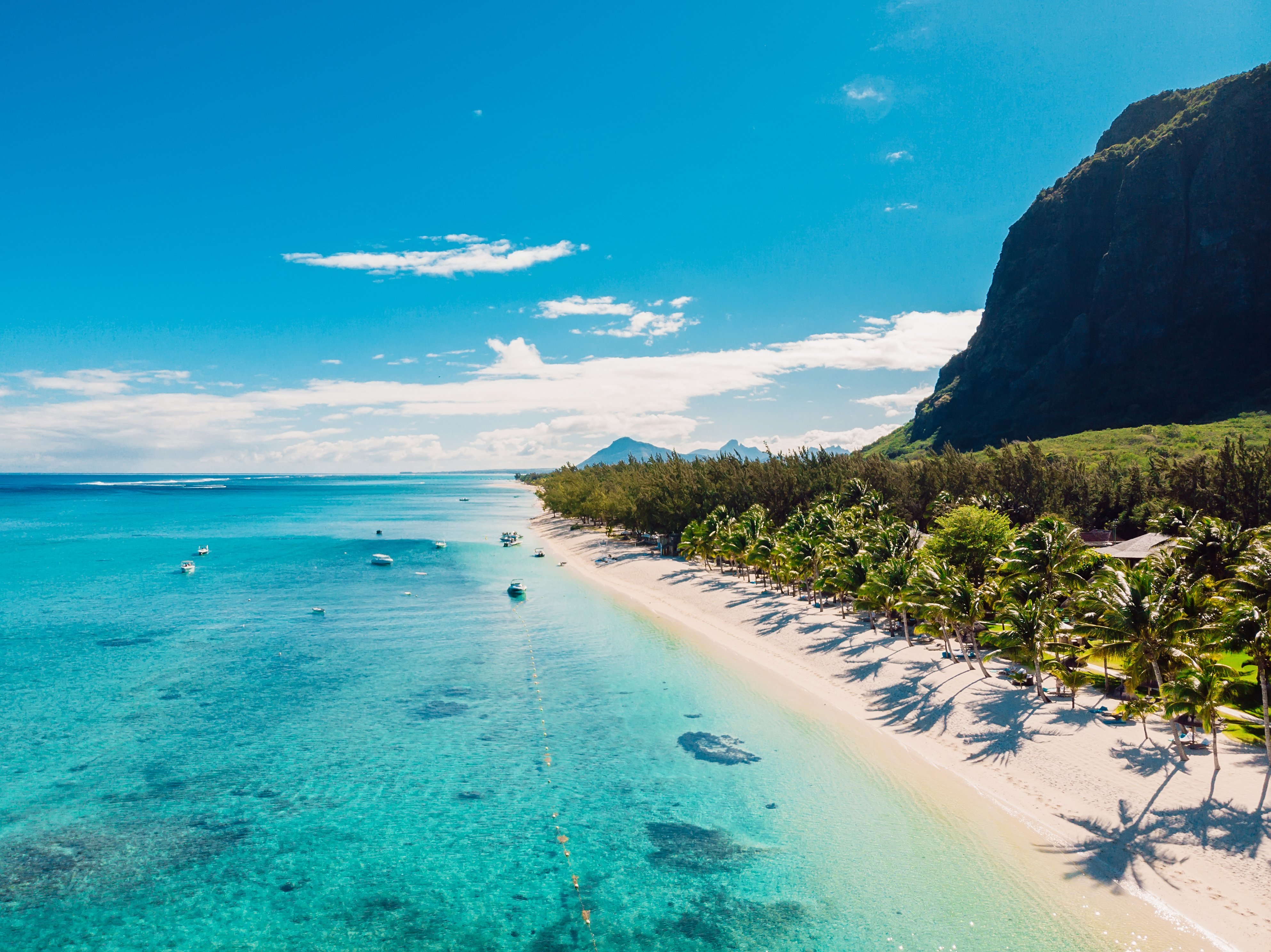
For decades, the global narrative surrounding Mauritius has relied on a comfortable shorthand. Tourists see luxury resorts, white-sand beaches, and a stable financial hub. Locals experience a different reality. You might also find this related coverage interesting: Inside the Museum Theft Crisis Nobody Is Talking About.
The Economic Pressure Cooker
Inflation hit household budgets long before the first barricades went up. The cost of imported goods, fuel, and electricity climbed steadily, squeezing working-class families who watched their purchasing power evaporate. When the government announced adjustments that further burdened everyday consumers, the tipping point arrived.
Protests rarely start over a single policy. They accumulate over years of quiet frustration. Citizens faced rising youth unemployment and stagnant wages while living in a country marketed as an economic success story. As highlighted in recent coverage by The New York Times, the implications are significant.
The curfew was designed to restore order through force of law. Streets emptied after dark. Police patrols increased. Yet, containment is not resolution. Suspending civil liberties buys time, but it does not fix a broken supply chain or feed an underpaid workforce.
Governance and Public Trust
Trust in public institutions forms the bedrock of any stable democracy. When that trust erodes, stability becomes conditional.
Protesters directed their anger not just at economic hardship, but at a perceived disconnect between political elites and the daily struggles of ordinary Mauritians. Transparency matters. Accountability matters. When citizens feel ignored by the very leaders they elected, frustration spills over into public squares.
Lifting the curfew signals a return to nominal normality, but business as usual is no longer an option. The government faces a narrow window to address systemic grievances before the next flashpoint occurs.
Looking Beyond the Resort Facade
International observers often miss the domestic complexities of small island developing states. Economic vulnerability to external shocks—global inflation, shipping costs, and climate pressures—hits nations like Mauritius with disproportionate force.
Stabilizing the island requires more than clearing debris from the roads. It demands structural reform, genuine dialogue with labor groups, and a serious re-evaluation of how wealth is distributed across the population.
The curfew is gone. The underlying pressure remains. How leadership responds in the coming months will determine whether this crisis was a wake-up call or merely the prelude to deeper instability.


