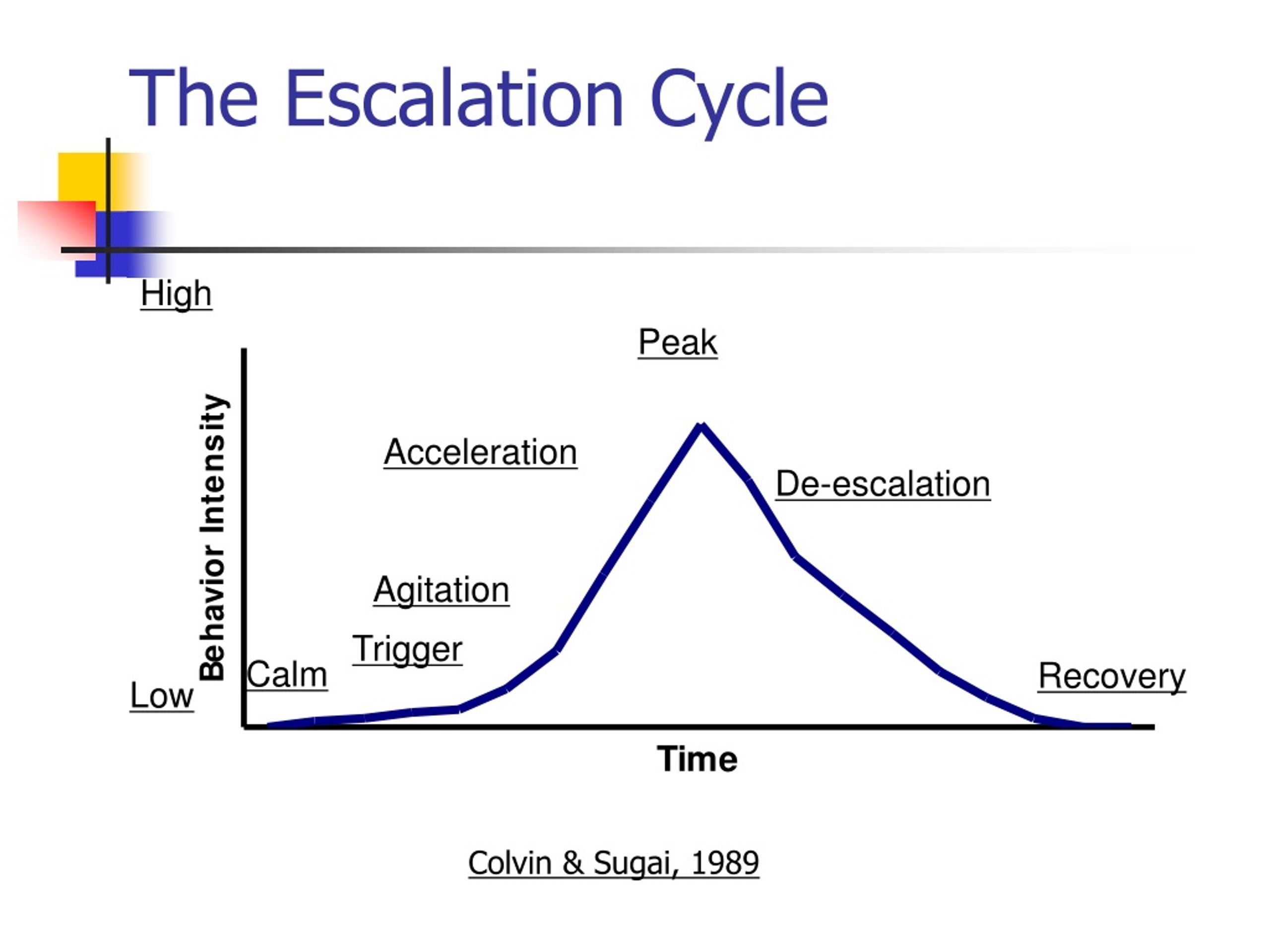
Public confrontations involving physical violence often appear chaotic to the observer, yet they function within a predictable sequence of psychological and physiological triggers. When a baseline social environment, such as a bar, experiences a disruption of personal boundaries—specifically sexual harassment—the resulting incident trajectory is governed by three specific variables: the offender’s threshold for social inhibition, the victim’s response mechanism, and the immediate proximity of a third-party defender.
The Threshold of Social Inhibition
Violent outbursts in social settings typically follow a breakdown in normative behavioral controls. The perpetrator, often under the influence of substances, undergoes a reduction in the executive function of the prefrontal cortex. This creates a state of lowered inhibitory control where societal taboos against non-consensual contact are discarded.
The incident reported involving the unwanted physical contact—commonly referred to as groping—serves as a catalyst for a sudden shift from a social state to a survival state. The offender is testing the boundary of the environment. If the victim or the surrounding group does not provide an immediate corrective feedback loop, the offender’s behavior often escalates.
The Feedback Loop of Defensive Intervention
In the case where an altercation escalates to a physical strike, the decision-making process of the defender is compressed into milliseconds. This is defined as the OODA loop: Observe, Orient, Decide, Act.
- Observe: The defender identifies the threat to the victim’s physical security.
- Orient: The defender assesses the immediate risk level of the offender.
- Decide: The defender calculates the necessity of force.
- Act: The implementation of physical intervention.
When a husband or bystander intervenes by delivering a single, decisive strike to neutralize the threat, they are performing a high-stakes calculation. They are trading the legal and social risks of physical assault for the immediate cessation of an ongoing crime. This specific, high-velocity response—often referred to as a "knockout"—is the kinetic manifestation of an attempt to truncate a fight before it evolves into a prolonged struggle, which inherently carries higher risks of injury for all parties involved.
Analyzing the Mechanics of Force Application
Physical incapacitation in such scenarios is less about the magnitude of strength and more about the precision of energy transfer. The human central nervous system is highly sensitive to impacts on the chin or the temple, which can cause a rapid deceleration of the brain within the cranium, leading to a temporary loss of consciousness.
From a risk management perspective, the defender is operating under the doctrine of necessity. In many jurisdictions, the legal threshold for using force is the presence of an immediate threat of harm to self or others. The act of "knocking someone out in seconds" effectively removes the threat's capability to continue the assault, thereby shifting the defender from an active combatant back into a defensive, neutral status.
The Cost of Public Violence
The aftermath of such incidents rarely ends with the physical altercation. The ripple effects are significant:
- Legal Scrutiny: The defender, despite acting in defense of another, must often justify the level of force used. Proportionality is the standard. If the force used exceeds what is necessary to stop the threat, the defender may face legal liability.
- Social Fallout: Public perception of violence is binary. Bystanders and media outlets tend to categorize the event as either "justified defense" or "unprovoked escalation," depending on the available video evidence.
- Security Protocols: Businesses that rely on social consumption of alcohol face an increased operational burden. Failure to monitor the floor for boundary violations, such as harassment, increases the business's potential for premises liability.
Operational Security in High-Density Social Environments
For individuals navigating these environments, the primary defensive strategy is the maintenance of a 360-degree awareness field. Harassment often begins with low-level probing behaviors. Identifying these pre-attack indicators allows for preemptive de-escalation or removal from the environment before the interaction reaches a physical breaking point.
The defender’s choice to intervene physically is a last-resort measure. In modern conflict resolution studies, this is categorized as "hard intervention." Before this stage, verbal deterrence or environmental displacement are preferred methods. When an offender demonstrates a total disregard for social norms through non-consensual physical contact, the window for non-physical resolution effectively closes.
Strategic Forecast for Venue Management
The frequency of public altercations is directly correlated to the ratio of security personnel to patrons and the effectiveness of the establishment’s policy on aggressive behavior. Venues that implement a "zero-tolerance" policy regarding harassment—where security staff are trained to identify and eject individuals at the first sign of boundary-pushing—experience a drastic reduction in total violent incident reports.
The strategy for establishments moving forward must prioritize early detection. By integrating active monitoring, establishments can bypass the need for high-velocity physical interventions, thereby protecting their patrons, their staff, and their legal standing.
For the individual, the tactical takeaway is clear: recognize the escalation phases early, position yourself away from potential threats, and if you must intervene in a violent assault, understand the fine line between neutralization and criminal battery. When the threat is imminent and physical, the most effective response is the one that terminates the engagement with the least amount of residual risk to the innocent party. Focus on achieving the objective of safety, then transition immediately to legal reporting to establish the sequence of events as a defense of self or others.