Every time an aircraft comes within a hair's breadth of catastrophe, the media machine grinds into gear to deliver the exact same tired narrative. A pilot fights the controls, battles superhuman odds, and pulls a metal tube out of the fire through sheer grit and individual brilliance. We love the myth of the lone cowboy in the flight deck. It sells papers, generates clicks, and feeds our collective appetite for modern folklore.
It is also absolute garbage, and it is actively making commercial aviation more dangerous. You might also find this similar story insightful: Diplomatic Signaling in Crisis Architecture The geopolitical Mechanics of Civilian Recognition.
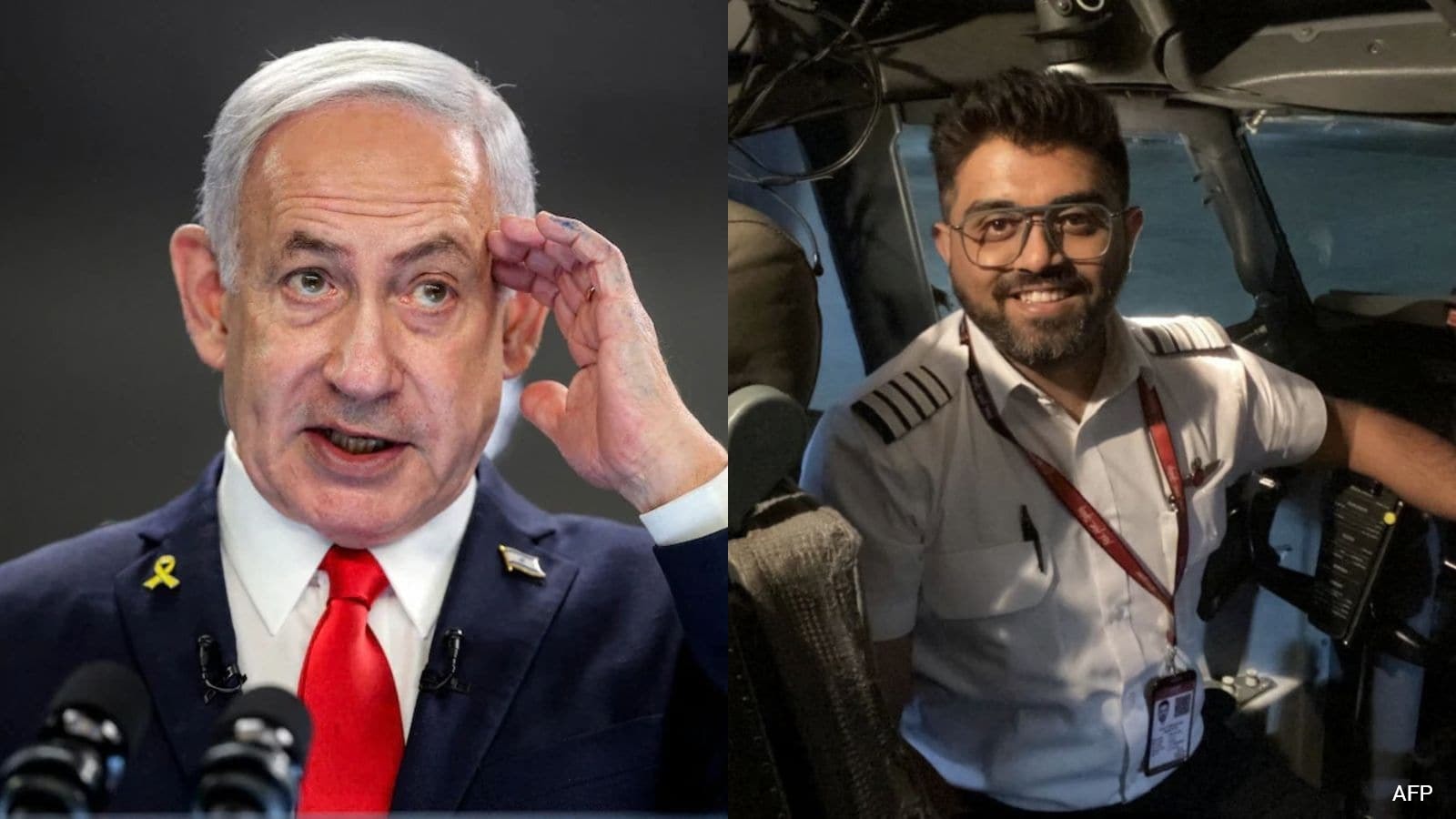
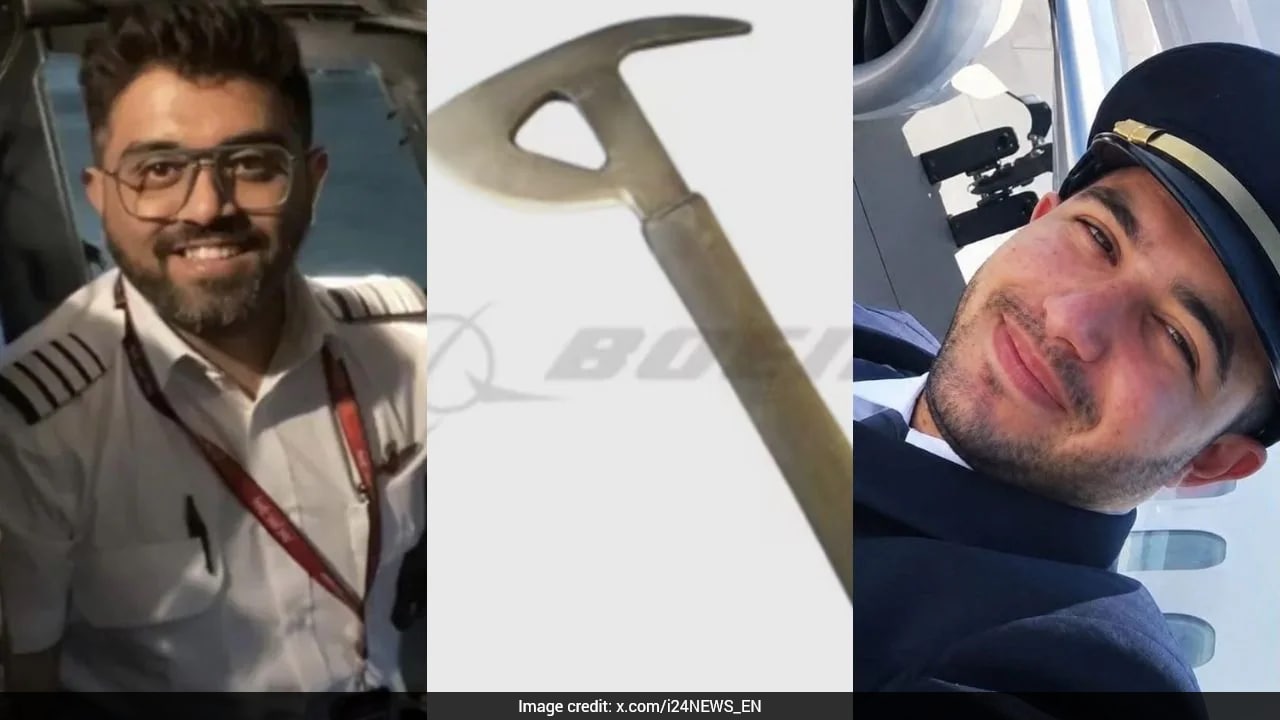
When headlines breathlessly romanticize how a crew handled harrowing moments inside a flight deck—such as the dramatic framing often applied to close calls involving carriers like flydubai—they completely miss the structural reality of modern commercial flight. They treat the cockpit like an F1 race car or a Western duel. They want you to believe that safety comes down to adrenaline, sweating through your shirt, and making split-second heroic choices when the alarms start screaming.
I have spent decades watching operators obsess over operational risk, and I can tell you right now: the moment a pilot has to rely on raw heroism to save a flight, the system has already failed at least five times. As extensively documented in detailed coverage by Associated Press, the effects are significant.
The Dangerous Romance of Individual Skill
Let us strip away the Hollywood varnish. Modern airliners are not flown by mavericks. They are automated management systems monitored by highly trained technicians. When an emergency strikes, the absolute worst thing a crew can do is improvise.
Yet, public fascination remains fixated on the pilot as an action star. We dissect cockpit voice recordings looking for stoic movie quotes. We celebrate manual flying skills in abnormal attitudes as if the pilot were wrestling an untamed beast. This framing creates a toxic psychological trap. It encourages operators to value swagger over adherence to standard operating procedures. It glorifies the individual who bends the rules to save the day, while quietly burying the systemic rot that allowed the dangerous situation to materialize in the first place.
Consider what actually happens during an in-flight crisis. Automation disconnects. Red lights flash. The noise level in the flight deck spikes. The lazy consensus says the captain's iron nerve saved the passengers. The reality is far less cinematic: the crew survived because they suppressed their adrenaline, ignored their gut instincts, and fell back on rigid, unsexy checklists written in blood decades ago.
Heroism is a symptom of design failure. If an interface requires superhuman cognitive processing speed to interpret a cascading failure state, the aircraft is poorly engineered. If a crew must invent a solution on the fly, the training programs have failed.
Why We Worship the Wrong Safety Metrics
The aviation industry loves to talk about safety records, pointing to the vanishingly low hull-loss rates of the last twenty years. But behind those comforting statistics lies a creeping complacency. We measure success by counting smoking craters, which is a lagging indicator so obsolete it belongs in the last century.
When a near-miss occurs—whether it involves windshear, spatial disorientation, or automated system disconnects—the post-mortem usually focuses on human factors. Did the captain call out fast enough? Did the first officer monitor the instruments correctly? This is micro-management of the highest order. It shifts the blame onto the fleshy obstacle in the left seat while ignoring the corporate pressures, scheduling fatigue, and software quirks that backed the crew into that corner.
Airlines push turnarounds faster than ever. Regulators approve fatigue-inducing rostering models that turn flight decks into zombie zones. Maintenance logs are optimized for cost efficiency rather than fault redundancy. Then, when a crew flying a heavy narrowbody through a brutal weather cell encounters a sudden system degradation, we act surprised that things got weird. We praise them for pulling off a miracle landing, completely ignoring the fact that commercial pressure manufactured the emergency in the first place.
If you want to understand why flight decks remain stressful, stop looking at the pilot's pulse rate and start looking at the profit margins of the parent company.
The Myth of Manual Mastery
There is a persistent counter-argument floating around aviation circles that modern automation has made pilots soft. Proponents of this view argue that because computers fly the plane ninety-nine percent of the time, crews lose the stick-and-rudder intuition required when everything goes sideways.
This argument sounds logical at a cocktail party, but it collapses under scrutiny. Hand-flying a modern jetliner during an emergency at high altitude is not like flying a Cessna 172 on a Sunday afternoon. The kinetic energy, the momentum, the complex flight envelope protections, and the sheer inertia of a commercial aircraft mean that raw physical touch can easily make things worse, not better.
We saw this in tragic accidents over the past decade where well-meaning crews fought their own automation because they trusted their physical sensations over the flight instruments. Human vestibular systems lie to us constantly when visual references vanish. Trusting your gut in a cloud bank at night is a fast track to disaster.
The solution to automation dependency is not telling pilots to turn off the autopilot and cowboy it through a thunderstorm. The solution is designing better human-machine interfaces that make the computer's intent transparent. When a pilot says they did not understand what the aircraft was doing, the failure belongs to the engineers who wrote the logic, not the crew who tried to decode it while descending through five thousand feet.
Deconstructing the Cockpit Hierarchy
We also need to talk about the sacred cow of cockpit resource management: the captain's authority.
For generations, aviation culture was built on a feudal model. The captain was the king, and questioning the king was a fast way to ruin your career. Modern training has tried to dismantle this through flat hierarchies, encouraging junior officers to speak up when they see danger.
In practice, the corporate culture often contradicts the training manual. A first officer looking at a fatigued, stressed captain who is dead-set on landing in marginal weather faces an immense social penalty for challenging authority. Airlines talk a good game about a safety culture, but everyone on the flight deck knows who signs the performance reviews and who gets blamed when a flight is delayed.
When a close call makes the news, analysts praise the crew's teamwork. Rarely do they ask whether the organizational climate made it psychologically safe for the junior pilot to call a go-around five minutes earlier. True safety is not about having a harmonious cockpit during a crisis; it is about having an organizational structure that makes crises rare and speaking up effortless.
The Uncomfortable Truth About Risk
Here is the part nobody in the industry wants printed: absolute safety is a commercial fiction.
Flying is terrifyingly safe only because thousands of people are constantly paranoid about how easily it could all go wrong. That paranoia is healthy. What is unhealthy is the modern corporate desire to streamline, optimize, and brand every operational process until the system operates with zero margin for error.
When you strip away slack from an aviation system—fewer spare crews, tighter turnaround times, leaner maintenance windows—you force the human operators to become the shock absorbers for corporate inefficiency. The pilot becomes the final line of defense not because that is how the system was designed to work, but because they are the only flexible component left in a rigid, profit-driven machine.
Stop buying the mythology. The next time you read about a heroic crew saving the day, remember that you are reading about a system that pushed things to the edge of the abyss and got lucky. Until we start holding management accountable for operational pressures instead of praising pilots for fixing corporate mistakes, we are just waiting for our next headline.