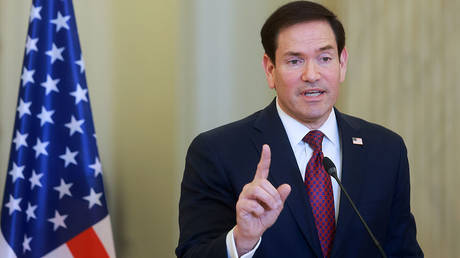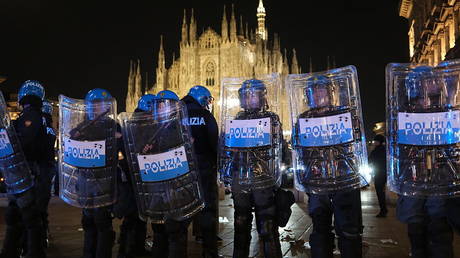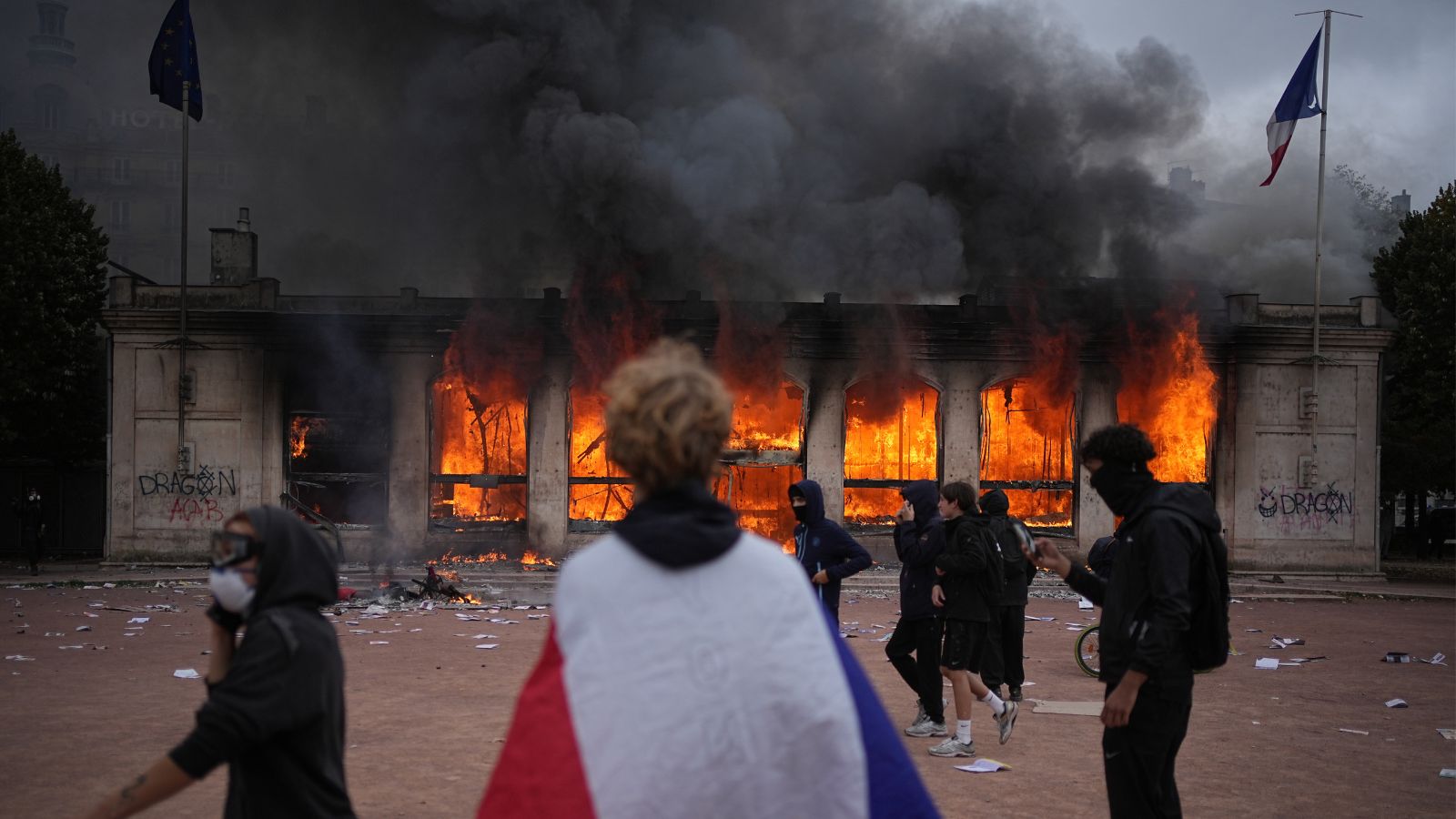
Media outlets love a tidy contradiction. Put a 53-year-old man in tailored wool at the front of a rowdy student march in Paris or Lyon, snap a sharp photo of him holding a megaphone, and suddenly you have an irresistible headline about generational solidarity. It is neat. It is dramatic. And it is mostly theater.
When commentators frame a middle-aged professional in a suit as the authentic voice or unlikely leader of France's youth protests, they fall straight into lazy consensus. They confuse visibility with representation. They treat a camera-friendly bridge figure as the engine of the movement rather than a symptom of deeper structural rot.
Youth protests in France have never really been about polite cross-generational harmony. They erupt over housing scarcity, precarious entry-level contracts, pension rules designed by people who already retired comfortably, and a political class that treats young people like future voters to pacify rather than citizens with leverage right now. Putting a suit on the story makes it safe for morning news panels. It also misses what is actually happening on the ground.
The Suit Is a Distraction, Not a Breakthrough
Let's be precise about terms before we go any further. In political sociology, a broker or vanguard figure is someone who translates grievances between a marginalized or insurgent group and established institutions. A representative actually shares the material stakes and long-term trajectory of the people they claim to speak for.
A 53-year-old in a suit does not live inside the economic reality of a 21-year-old working two split shifts while sharing a cramped apartment outside a university hub. Even if his heart is in the right place, his balance sheet is different. His career arc is different. His exit options are different.
I have watched political campaigns and advocacy groups blow millions of dollars trying to manufacture "relatable" messengers who look polished enough for television studios while sounding credible to street activists. It almost always backfires. Polished messengers get booked on shows because producers like the aesthetic. Street movements move because people are angry, broke, or cornered.
When an older figure in formal wear becomes the face of a youth protest, three things usually happen at once:
- Institutions get a softer target. Officials and anchors find it easier to debate a composed middle-aged spokesperson than to confront chaotic, leaderless frustration from students and young workers.
- The message gets sanded down. Sharp demands around rent caps, unpaid internships, or police accountability get translated into tidier policy talking points that fit a two-minute broadcast slot.
- Young organizers get pushed out of the frame. The people doing the late-night leafleting, bloc logistics, and mutual aid disappear behind a single recognizable silhouette.
That does not mean older allies are useless. Experience matters. Knowing how municipal permits work, how press rooms operate, or how legal defense funds get organized can keep a movement alive past its first weekend. Still, logistics support is not the same thing as leading the charge.
You Are Asking the Wrong Questions About Youth Protests
Search queries around stories like this tend to circle the same tired questions. People ask why young French citizens rally behind older figures, whether middle-aged activists can unite generations, or how a single figure can sustain street momentum.
Those questions start from a shaky premise. They assume youth protests fail or succeed based on whether they find a charismatic frontperson.
History suggests otherwise. Political scientist Sidney Tarrow and sociologist Charles Tilly spent decades studying contentious politics and showed that durable movements rely on dense social networks, shared grievances, and political opportunity structures—not simply a single compelling face. When movements hinge too tightly on one symbolic figure, co-optation or burnout follows quickly.
Imagine a scenario where a polished 53-year-old organizer draws huge media attention to a student walkout over tuition and transit costs. Two weeks later, parliament offers a minor concession aimed at older workers or unions, leaving students with almost nothing. The suit gets invited onto evening debates to weigh whether the compromise is "pragmatic." The students are left wondering why they marched in the rain.
Here is a more honest look at the questions people actually type into search bars:
Why do young protesters accept an older figure in a suit as a public face?
Sometimes they don't—the press crowns him because he looks familiar. Other times, young organizers deliberately use an older, respectable-looking figure as a shield against dismissal or rough treatment. Strategic utility is not devotion.
Can a middle-aged leader bridge the gap between Gen Z and older voters?
Only if he forces older voters to pay a real cost or give up real advantage. Warm speeches about unity do not lower rents in high-demand neighborhoods or unfreeze entry-level wages.
Do suits hurt credibility in street movements?
Not inherently. Clothing is a signal, not a sin. A suit signals insider fluency, institutional literacy, or generational distance. If the speaker backs that signal up by defending radical material changes for young people, the outfit becomes secondary. If he uses it to scold protesters into "respectable" behavior, credibility evaporates fast.
How French Youth Politics Actually Works Beneath the Headlines
France has a long muscle memory of protest—from May 1968 to anti-CPE mobilizations, gilets jaunes roadblocks, and pension clashes. Outsiders often read every French street demonstration as a unified ideological crusade. Usually, it is a messy collision of factions with overlapping anger and competing priorities.
University students, vocational apprentices, precariously employed service workers, and neighborhood activists rarely share identical daily pressures. A master's student in Paris worries about housing costs and degree value. A young warehouse worker in a smaller city worries about shift schedules, fuel prices, and dead-end contracts.
A 53-year-old in a suit can easily become the lowest-common-denominator symbol for all of them precisely because he is vague enough to project onto. Everyone sees what they want to see. Journalists see a compelling narrative hook. Politicians see a manageable interlocutor. Protesters see a temporary megaphone.
None of that builds lasting power on its own. Symbols melt fast once winter sets in, exams start, or police kettling makes weekly marches exhausting. Power requires organizational infrastructure: local assemblies, strike funds, legal hotlines, and electoral pressure that punishes incumbents where it hurts.
The Downside of Betting Against the "Bridge Figure"
Being skeptical of the suit-wearing frontperson carries its own blind spots, and pretending otherwise would be dishonest.
First, dismissing a visible figure too quickly can underestimate real tactical value. A seasoned 53-year-old who knows how to navigate courts, union halls, and national media can protect younger activists from costly mistakes. Cutting out experienced allies out of pure ideological purism is a classic activist trap.
Second, movements that reject every recognizable spokesperson often struggle with media distortion. When a protest has no clear voice, opponents and commentators happily define it on their own terms—painting thousands of frustrated young people as mere vandals or directionless nihilists.
Third, generational divides are not absolute. Plenty of 50-somethings face stagnant wages, precarious gig work, or crushed purchasing power too. Treating age as a rigid wall can blind organizers to real cross-generational alliances built around shared economic squeeze rather than sentimental symbolism.
What Actually Moves the Needle
If you care about what youth protests in France—or anywhere else—actually achieve rather than how they look on a screen, stop obsessing over the person holding the mic. Watch three concrete things instead:
- Follow the demands, not the wardrobe. Ask whether the push targets concrete structural bottlenecks—housing supply, labor protections, public transit costs, education access—or settles for symbolic gestures that cost the state nothing.
- Look at who holds institutional leverage. Street energy creates pressure, but lasting shifts happen when protests connect with labor unions, municipal coalitions, or legislative pressure points that can force real policy changes.
- Track what happens after the cameras leave. Real movements survive between headline spikes. If local organizing, mutual aid, and political accountability vanish the week after a viral photo or TV segment, the moment was mostly spectacle.
A man in a suit standing in front of young protesters makes for a great photograph. Real change takes something far less photogenic—and far harder to fake.