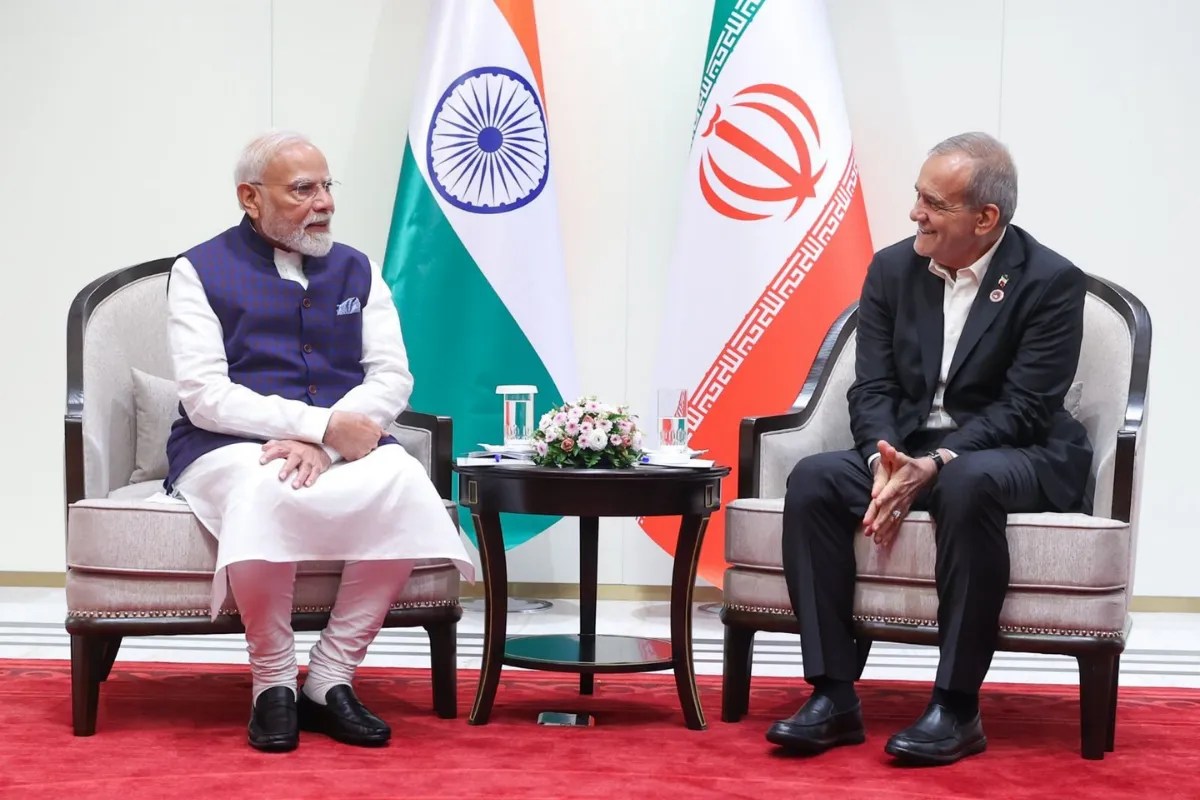
Geopolitical chess boards rarely feature straightforward moves, and the recent diplomatic engagement between Indian Prime Minister Narendra Modi and Iranian President Masoud Pezeshkian proves this point entirely. Meeting on the sidelines of the Shanghai Cooperation Organisation summit in Bishkek, Kyrgyzstan, both leaders tackled an increasingly volatile West Asian environment. Veteran diplomat and former minister M.J. Akbar pointed out that the diplomatic chemistry between New Delhi and Tehran carries a very distinct weight, especially when viewed against shifting regional alignments like the Mecca Pact involving Saudi Arabia, Turkey, and Pakistan.
You have to look past the surface-level handshakes to understand what is actually at stake here. India and Iran operate as civilisational states with deep identities, choosing independent bilateral channels over multilateral fluff. While Western powers often view regional pacts through the narrow lens of containment, New Delhi maintains a policy of strategic autonomy. Tehran recognizes this distinction clearly. Iranian diplomatic circles frequently contrast India's independent foreign policy stance with nations that act primarily under external instructions. That mutual respect creates a unique diplomatic space.
Trade expansion and regional connectivity remain critical pillars of this bilateral track, even as external pressures complicate matters. The ongoing development of Iran's Chabahar port serves as a lifeline for trade routes heading into Central Asia and Afghanistan. Modi and Pezeshkian spent significant time addressing how both nations can diversify their trade basket, bypassing logistical hurdles and external economic restrictions.
Maritime security took center stage during their discussions. With commercial shipping lines facing severe disruptions amid the wider West Asian conflict, Prime Minister Modi pushed hard for the protection of civilian infrastructure, seafarers, and freedom of navigation. India relies heavily on stable energy corridors and houses millions of expatriates in the broader region, making regional peace an absolute necessity rather than a diplomatic talking point.
President Pezeshkian voiced appreciation for India's consistent stance during regional hostilities, urging New Delhi to use its extensive diplomatic contacts to steer conflicting parties away from war and back toward negotiation tables. Tehran views multilateral platforms like the SCO and the upcoming BRICS summit—where Pezeshkian is expected to visit New Delhi—as vital counterweights to a unipolar global order dominated by Western institutions.
Navigating these turbulent waters requires walking a very thin diplomatic tightrope. India maintains strong partnerships with Gulf Arab states and Western nations while fiercely guarding its historic ties with Iran. By prioritizing open dialogue, protecting maritime commerce, and refusing to let external mandates dictate its friendships, New Delhi continues to cement its status as an indispensable global player. Watch how these trade and security frameworks evolve over the coming months as regional dynamics keep shifting.