Every mainstream foreign policy column published after a Shanghai Cooperation Organisation summit reads like a carbon copy of Western anxieties. Analysts clutch their pearls over optics, breathlessly dissecting who shook whose hand, who stood where in the group photo, and whether New Delhi is drifting into an anti-Western axis. They treat international relations like a high school prom, assuming India must pick a clique.
That interpretation is lazy, provincial, and fundamentally wrong.
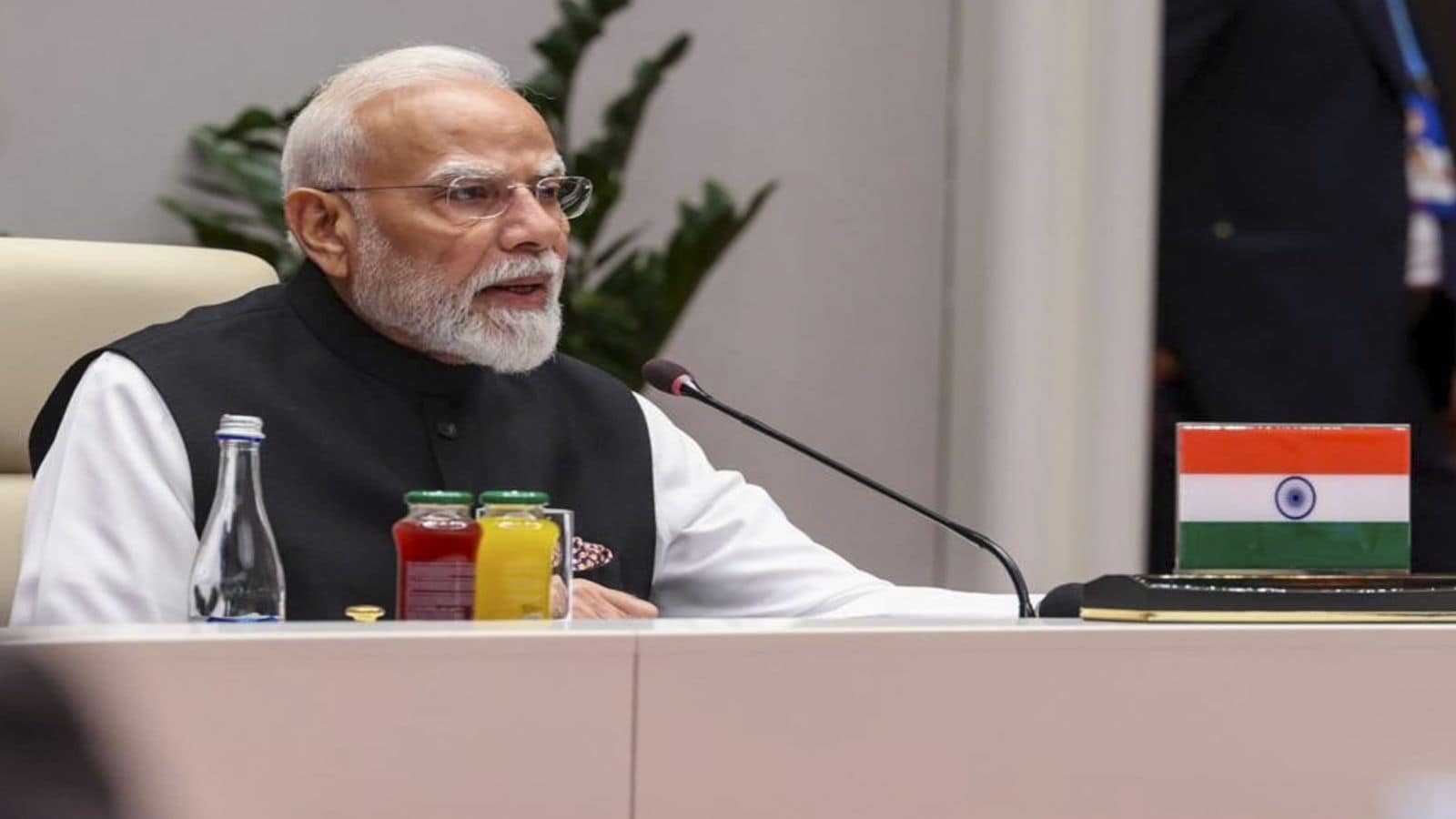
When Prime Minister Narendra Modi steps up to the SCO podium and preaches zero tolerance for terrorism alongside the supremacy of dialogue over war, the pundit class hears boilerplate diplomatic filler. They miss the calculated, cold-blooded statecraft underneath. India is not hedging its bets out of confusion or weakness. It is actively weaponizing multi-alignment to rewrite the rules of a unipolar order that no longer serves anyone outside the G7.
The Fallacy of the Monolithic Bloc
The dominant media narrative loves a binary. You are either with the rules-based international order or you are sponsoring its demise. This framework assumes organizations like the SCO are ideological monoliths akin to a 21st-century Warsaw Pact.
Look at the actual mechanics on the ground. The SCO houses bitter rivals under one roof: India and China share an active, heavily militarized border dispute; Russia and Central Asian states navigate a complex dance of sovereign independence and historical dominance; Pakistan operates as a perpetual outlier tethered to Beijing. Calling this an anti-Western bloc is like calling a subway car an ideological movement just because everyone is heading in the same general direction.
New Delhi’s presence inside the room is not an endorsement of Eurasian authoritarianism. It is a calculated refusal to cede multilateral real estate to Beijing and Moscow. If you are not at the table, you are on the menu. India learned this lesson decades ago during the Non-Aligned Movement era, but today's execution is infinitely more cynical and effective. It is transactional diplomacy at its finest. You trade oil with Russia, buy defense hardware while indigenizing domestic manufacturing, counter Chinese maritime expansion through the Quad, and use the SCO to keep Central Asian energy corridors open and extremist proxies boxed in.
The Realpolitik of Counter-Terrorism Rhetoric
When Modi calls out "double standards" on terrorism at a summit heavily influenced by Pakistan and China, critics roll their eyes. They point out the obvious: the host nations have a checkered history regarding proxy groups. They argue that preaching counter-terrorism inside a forum co-founded by Beijing is an exercise in shouting into the void.
That critique misunderstands how international pressure works. Geopolitical norms are not built through sudden conversions; they are forged through relentless, public repetition until deviance becomes too expensive to maintain. By forcing the phrase "no double standards" into the permanent record of a Sino-Russian dominated security architecture, India denies its regional rivals the luxury of sweeping state-sponsored terror under the rug of economic corridors and regional stability pacts.
It anchors multilateral security definitions to New Delhi's red lines. You cannot claim to fight extremism while sheltering designated operatives down the road. By keeping that contradiction front and center, India makes it impossible for Beijing to normalize regional terror networks as mere domestic insurgencies without losing face before the entire Eurasian community.
Dialogue Over War is Not Pacifism
Another favorite pastime of the commentariat is dismissing calls for "dialogue over war" as empty rhetoric or thinly veiled cowardice. They argue that when tanks are rolling and missiles are flying, talking shops like the SCO are irrelevant.
This view confuses tactical engagement with strategic surrender. India is the only major global power maintaining active, high-level diplomatic and economic channels with the West, Russia, the Global South, and its immediate adversaries simultaneously. That is not pacifism; that is structural insurance.
Imagine a scenario where the Indo-Pacific flashpoint boils over. A nation that has alienated one half of the globe to please the other is left with zero leverage. A nation that sits on the Quad while simultaneously breaking bread in Astana or Samarkand holds the master key to de-escalation. By insisting that dialogue must precede destruction, India carves out a permanent role as the indispensable bridge between warring power blocs.
The Cost of Strategic Autonomy
Let’s be entirely transparent about the downsides. Multi-alignment is exhausting, messy, and prone to infuriating allies. Washington periodically looks at New Delhi's oil purchases from Moscow with undisguised irritation. Beijing watches Indian naval exercises in the Pacific with deep suspicion. Domestic critics inside India occasionally wonder if the country is playing a dangerous game of diplomatic Twister that will eventually snap its spine.
Autonomy has a price tag. You do not get the unconditional loyalty of a superpower because you refuse to be anyone's junior partner. You take the hits, absorb the diplomatic friction, and hedge your supply chains against inevitable global shocks.
Yet look at the alternative. Tie your foreign policy entirely to Washington's whims, and you become a regional sheriff taking orders from a distant capital. Tie it to Beijing, and you end up a tributary state in a digital-age Middle Kingdom. India's stubborn insistence on strategic autonomy keeps its sovereignty intact.
The SCO summit is not where India goes to lose its soul or compromise its values. It is where New Delhi goes to remind the world that the twenty-first century will not be run out of Brussels or Washington or Beijing. Stop reading the summits as beauty pageants and start looking at the leverage.
The future belongs to the uncommitted players who make themselves indispensable to everyone else.