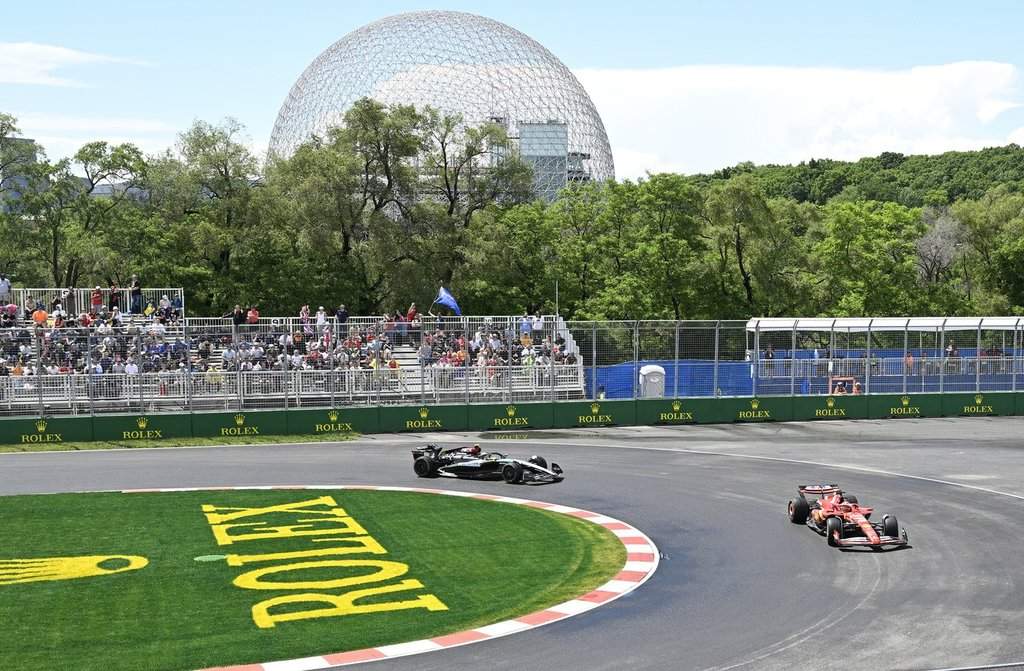
The annual media circus surrounding the Formula 1 Montreal Grand Prix follows a script so predictable you could set your watch by it. Tourism boards brag about hotel occupancy. Mainstream pundits hand-wring over the sudden influx of wealthy tourists. And right on cue, a flurry of headlines announces that local sex workers are planning a high-profile strike to protest working conditions, heavy-handed policing, and systemic stigma during the race weekend.
The standard commentary views this through a lens of pure activism or tragedy. Activists call it a human rights stand. Mainstream moralizers view it as a symptom of a broken system. Both sides miss the cold, hard economic reality staring them in the face.
This isn't just a protest. It is a calculated, textbook exercise in supply-side economic leverage.
By threatening to withdraw labor during the absolute peak demand window of the fiscal year, Montreal’s sex worker collectives aren't just begging for a seat at the table. They are demonstrating a sophisticated understanding of market dynamics that would make Wall Street hedge funds blush. While the business community treats sex work as an invisible, separate economy, the reality is that it operates on the exact same principles of scarcity, surge pricing, and labor monopsony as any other high-stakes service industry.
The Illusion of the Grand Prix Windfall
Every June, Montreal transforms. Over 100,000 affluent tourists descend upon Crescent Street and the Old Port. The city line is always the same: the Grand Prix injects north of $90 million into the local economy.
What the city won't tell you is who actually captures that value. Hint: It isn't the people doing the heavy lifting on the ground.
During peak tourism events, traditional businesses leverage surge pricing. Hotels quadruple their nightly rates. Restaurants introduce mandatory prix fixe menus at a 300% markup. Airlines squeeze every cent out of business-class travelers. Yet, when independent contractors in the adult industry attempt to adjust their risk-to-reward ratio to account for the chaotic, heavily policed environment of race weekend, the state intervenes under the guise of public safety.
The lazy consensus ignores this massive market distortion. We are told that big events lift all boats. In reality, they create a temporary hyper-inflationary ecosystem where the cost of doing business skyrockets while the workers face increased operational risks.
I have watched corporate entities burn millions of dollars on hospitality tents and VIP corporate sponsorships while completely ignoring the organic supply chains that actually keep a city’s nightlife engine running. The Grand Prix does not create wealth out of thin air; it temporarily shifts demand patterns. When the state increases surveillance and policing during these weekends, it artificially drives up the operational costs for independent workers while trying to keep their revenue suppressed. A strike is the only logical capitalistic response to an engineered market disadvantage.
Dismantling the Myth of the Vulnerable Monopoly
Go to any mainstream news comment section and you will see the same flawed premise repeated ad nauseam: If they strike, they lose money, so the strike won't work.
This argument assumes the workers have zero market power and 100% elastic demand. It is completely economically illiterate.
In any high-skill, high-discretion service sector, the service provider holds the power during a demand shock. The Grand Prix weekend is the ultimate demand shock. Wealthy clients arrive with high disposable income and exceptionally low price sensitivity. They are not looking for a discount; they are looking for availability.
[Traditional Economic View]
High Demand -> Higher Prices -> Increased Supply -> Worker Vulnerability

[The Reality of a Peak-Event Strike]
High Demand -> Artificial State Restrictions -> Restricted Supply (Strike) -> Extreme Scarcity -> Structural Leverage
When a collective coordinates a strike during this window, they aren't trying to shut down the entire market permanently. They are executing a strategic supply squeeze. By publicly withholding labor, they do two things simultaneously:
- They expose the hypocrisy of the local hospitality ecosystem. Hotels and nightlife venues rely heavily on the invisible infrastructure of the adult industry to justify their exorbitant VIP packages. Remove that infrastructure, and the "vibrant nightlife" Montreal sells begins to fray at the edges.
- They drive up the premium for independent operators. Basic economics dictates that when supply drops while demand remains fixed or increases, the value of the remaining supply skyrockets. The workers who do choose to operate can demand unprecedented terms, effectively shifting the financial burden of the state's crackdowns directly back onto the wealthy consumer base.
This is not a sign of weakness. It is a cartel-style restriction of supply designed to force a rewrite of the operational rules.
Why the "Save the Tourists" Rhetoric is Flawed
The immediate pushback from municipal leaders always centers on the city's reputation. “We can't let protests disrupt the experience of international visitors.”
Let's unpack the sheer entitlement of that position. The city expects a precarious workforce to absorb all the heightened risk of a massive international event—increased surveillance, aggressive bylaws, profiling, and unpredictable client behavior—just so corporate sponsors can have a smooth weekend.
In any other industry, if a client base suddenly becomes significantly more volatile and the regulatory environment becomes hostile, the workforce demands hazard pay or walks off the job. When tech workers walk out over ethical concerns or structural pay gaps, they are lauded in business journals as forward-thinking pioneers of labor power. When sex workers do the exact same thing during the most critical financial weekend of the year, they are treated as an inconvenience to the municipal balance sheet.
The true risk to Montreal’s tourism brand isn't a labor strike; it is the refusal to acknowledge that a world-class nightlife city requires a protected, autonomous workforce to sustain it. You cannot commodify a city's hedonistic, avant-garde reputation for international marketing campaigns while simultaneously criminalizing and marginalizing the actual human beings who generate that culture.
The Operational Cost of State-Sponsored Hypocrisy
To understand why a strike is the only viable option left, look at how enforcement scaling works during major sporting events.
Cities don't just bring in more ticket inspectors during the Grand Prix; they reallocate massive police budgets to create a highly visible ring of security. For the average worker, this means routine identity checks, increased risk of displacement from safe working spaces, and a surge in opportunistic municipal fines.
The downside to a contrarian approach like a high-visibility strike is obvious: it draws heat. It invites further scrutiny from conservative political factions who want to use the event to signal their "law and order" credentials. It can alienate moderate allies who prefer their social activism quiet, polite, and non-disruptive.
But politeness has a terrible return on investment.
Quiet lobbying inside municipal offices does nothing when the city is blinded by the glare of millions of dollars in F1 sponsorship money. A strike during the Grand Prix works precisely because it hurts where it hurts most: the city's carefully curated public relations facade. It forces the corporate stakeholders—the hotel conglomerates, the luxury brands, the event organizers—to realize that their smooth, lucrative weekend is entirely dependent on a fragile ecosystem of local labor that they cannot continue to take for granted.
Stop asking how a strike will affect tourist satisfaction. Start asking why a multi-million dollar international event relies so heavily on the systemic exploitation and silencing of its host city’s most marginalized independent contractors. The Montreal sex workers aren't breaking the rules of the game; they are finally playing them to win.