The lazy consensus in foreign policy circles is a comforting fairy tale. Analysts love to sketch out neat little triangular relationships where every escalation in the Middle East delivers a windfall to the Kremlin. The standard narrative claims that a burning US-Iran crisis forces Washington to bleed resources, divert attention from Eastern Europe, and hand Moscow a strategic discount on energy markets and military hardware.
It sounds sophisticated. It is also entirely wrong.
Let us strip away the diplomatic theater. Russia does not profit from a boiling Middle East. Moscow survives it, scrambles through it, and occasionally salvages a PR victory from the wreckage, but a permanent crisis between Tehran and Washington is an operational nightmare for Russian grand strategy.
For decades, casual observers have swallowed the line that Moscow acts as the master puppeteer in Tehran, pulling strings to keep the West off-balance. That perspective ignores how actual power works in a transactional alliance. When Iran faces terminal economic strangulation or kinetic strikes from Israel and the United States, Tehran does not coordinate a master plan with the Russian foreign ministry; it panics, pivots, and demands bailouts. And Moscow, bogged down in its own protracted continental war, has precious little capital to spare.
The Myth of the Sanctions Lifeline
Consider the crude mechanics of the energy market. Commentators routinely argue that US-Iran tensions keep oil prices high, filling Russian coffers while Western economies sweat. This argument treats the global commodities market like a static spreadsheet.
High oil prices are a double-edged sword for a petrostate that cannot move its product through normal channels. Ever since the G7 price cap and sweeping European embargoes took effect, Russia has been forced to sell its Urals crude at steep discounts to a heavily consolidated buyer's market dominated by China and India. When geopolitical shocks spike Brent crude, the absolute spread between benchmark prices and what Moscow actually collects widens, because desperate sellers lose pricing power to captive buyers. Beijing and New Delhi know perfectly well that Russian tankers have nowhere else to go.
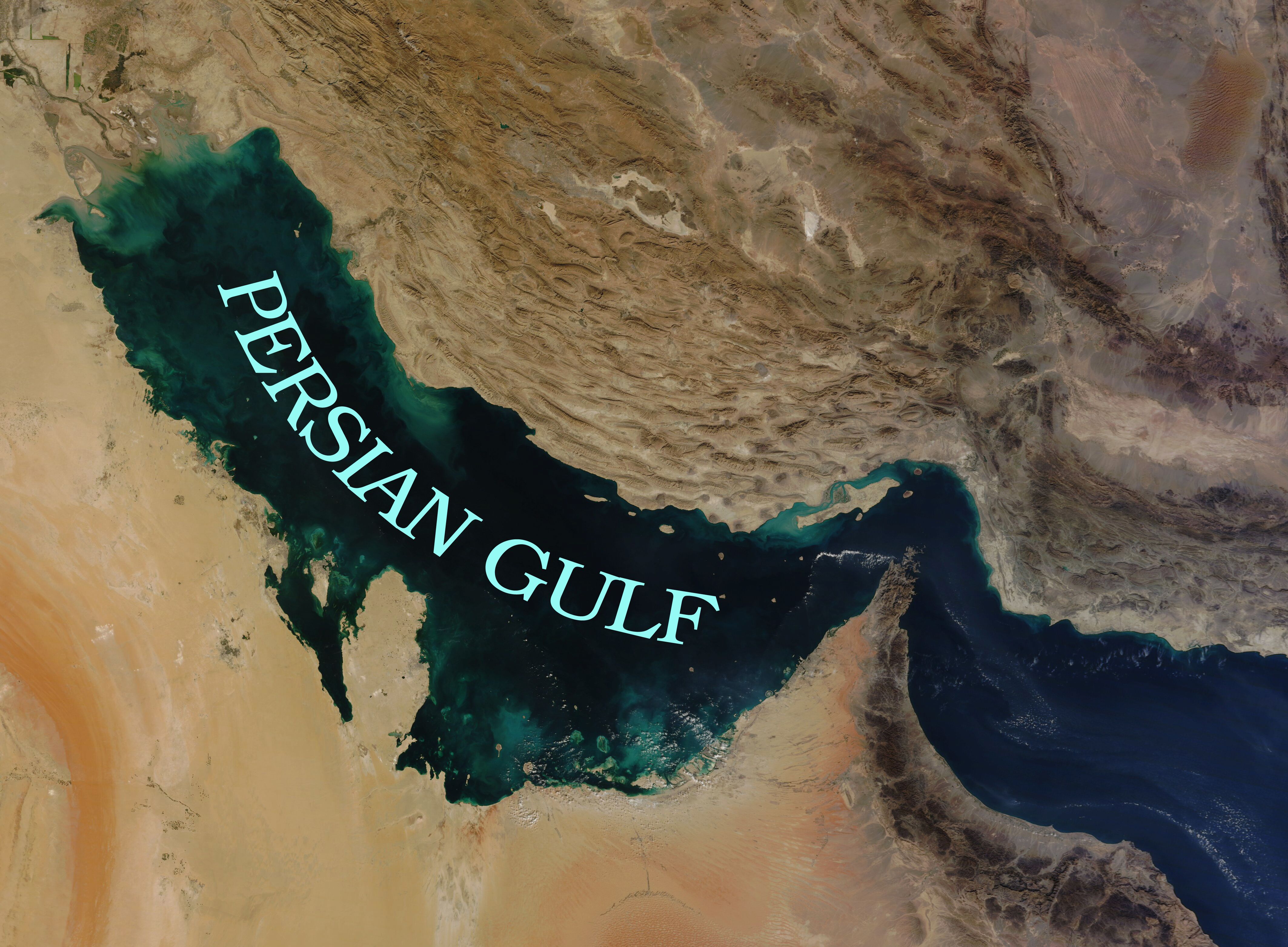
Furthermore, every time Washington tightens the screws on Tehran, the enforcement apparatus for global sanctions tightens as a secondary effect. Secondary sanctions are not precision instruments; they are blunt-force trauma applied to international shipping lanes, insurance syndicates, and shadow banking networks. The same maritime corridors that Iran uses to move ghost tankers are monitored by Western intelligence agencies that are simultaneously tracking Russian shadow fleets. A hot war or intensified containment campaign in the Persian Gulf increases naval patrols, satellite surveillance, and electronic warfare exercises across critical trade routes. That does not help Russian logistics. It clogs them.
The Military Technology Trap
Then there is the hardware exchange. The conventional wisdom states that Russia is trading advanced Su-35 fighter jets and air defense systems to Iran in exchange for Shahed-136 loitering munitions and ballistic missile supplies.
Let us look at the ledger with sober clarity.
Russia is fighting an industrial-scale attrition war on its western border. Its military-industrial complex is redlining, turning out armor and artillery shells at a frantic pace while burning through high-end precision-guided munitions faster than domestic microelectronics supply chains can replace them. Diverting manufacturing capacity, engineering talent, or completed airframes away from the frontlines in Ukraine to satisfy Tehran's urgent defensive requirements is a strategic compromise, not a windfall.
Iran does not want Russian surplus; it wants cutting-edge tech that Russia needs to preserve for its own air superiority. When Moscow commits to delivering advanced military hardware to satisfy an Iranian defense pact, it is robbing Peter to pay a very demanding, high-risk Paul. Worse, every piece of military hardware deployed to the Middle East runs the risk of falling into Western hands or being reverse-engineered in active combat environments, compromising proprietary defense technology that took decades to develop.
Why a Stable Adversary Beats a Desperate Partner
Moscow's ideal geopolitical environment is not chaos; it is predictable friction.
A predictable, contained standoff between the United States and Iran allows Russia to play the role of the reasonable mediator, extracting diplomatic concessions, securing trade exemptions, and maintaining low-level leverage without assuming liability. But a boiling crisis strips away that luxury.
When a regime in Tehran faces existential pressure, its calculus shifts from long-term regional maneuvering to short-term survival. That introduces erratic variables into the diplomatic equation. A cornered Tehran might do something catastrophic that closes the Strait of Hormuz completely, triggering a global economic shockwave that hits emerging economies—including Russia's primary trading partners in Asia—harder than it hits a decoupled Western financial system.
China, Russia's indispensable economic senior partner, does not want a Middle Eastern conflagration either. Beijing imports the vast majority of its energy from the Persian Gulf. A prolonged maritime shutdown or a devastated Iranian oil sector threatens Chinese energy security directly. When Beijing has to choose between stabilizing its primary energy arteries and bailing out a volatile partner in Moscow's orbit, Russian strategic influence takes a back seat to Chinese commercial survival every single time.
The Illusion of Strategic Autonomy
Let us address the core misconception head-on: the idea that Russia and Iran form an unbreakable axis of anti-Western defiance.
This view mistakes shared tactical grievances for strategic alignment. Russia views international relations through the lens of a great power reclaiming its sphere of influence; Iran views international relations through the lens of ideological survival and regional hegemony. Their interests intersect at the margins, but they diverge sharply at the core.
Russia wants a multi-polar world where sovereign states respect traditional borders and balance sheets dictate trade. Iran operates an asymmetric regional network through proxies that frequently disrupt the exact stability and trade routes that Moscow relies on to circumvent Western isolation. When a proxy group triggers a massive retaliatory strike, global capital flees emerging markets, risk premiums spike, and liquidity tightens. None of that benefits a sanctioned economy trying to build alternative financial rails.
We need to stop evaluating every flashpoint through the outdated prism of a zero-sum Cold War board where every American setback equals a Russian victory. Sometimes, a crisis is just a crisis—expensive, unpredictable, and corrosive to everyone foolish enough to get caught in the blast radius. Moscow gains nothing from a burning Tehran. It merely manages the decline.