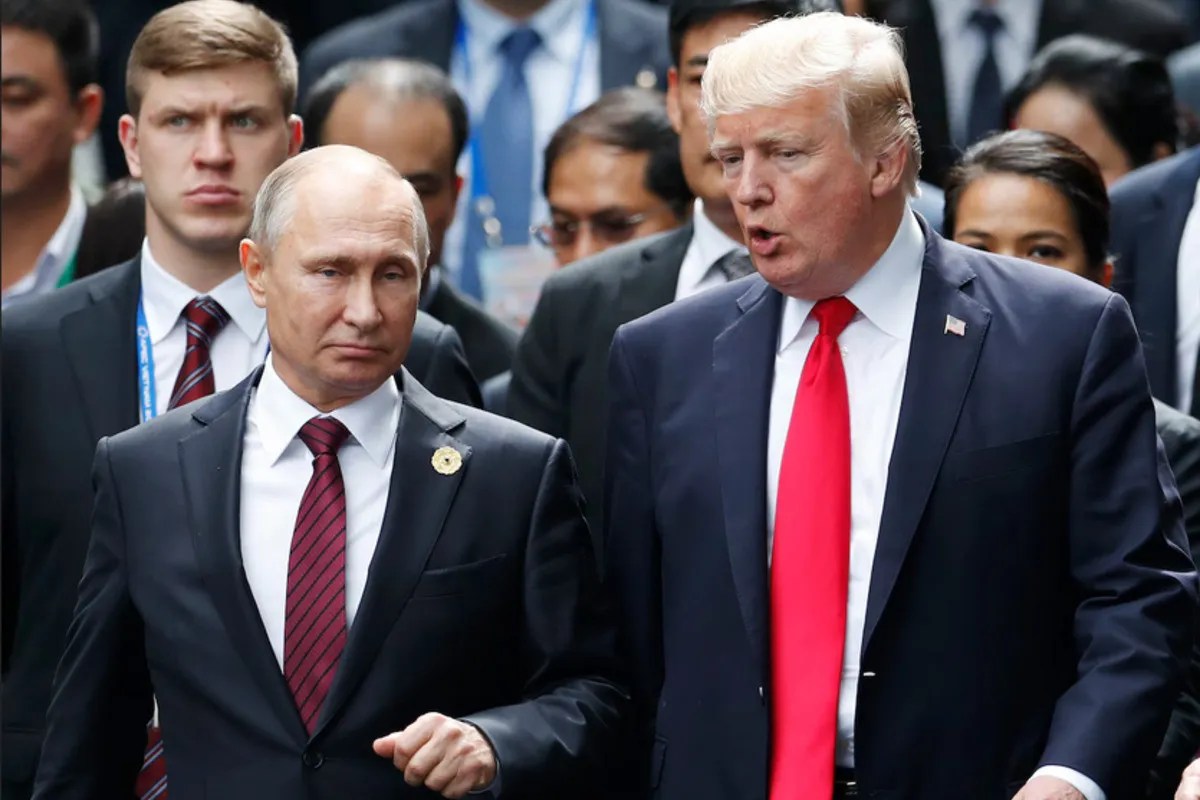
Donald Trump intends to ask Vladimir Putin a direct question about whether Russia is actively assisting Iran. This planned inquiry surfaces at a moment when the geopolitical architecture of the Middle East and Eastern Europe is fusing into a single, complicated theater of conflict. Intelligence agencies across Western capitals have spent months tracking a quiet, deeply consequential upgrade in military cooperation between Moscow and Tehran. The question itself is simple. The implications are staggering.
Decades of diplomatic friction between Russia and Iran used to keep their relationship transactional and occasionally tense. Historical suspicion ran deep. Competition for influence in Central Asia and the Caspian basin created persistent friction. Yet Western economic pressure and concurrent military entanglement in Ukraine changed the calculus completely. Moscow needed drones, ballistic components, and sanction-bypassing trade routes. Tehran needed advanced fighter jets, air defense systems, and nuclear technology cooperation. The transaction evolved into a strategic partnership. When Donald Trump presses Vladimir Putin on this alliance, he is confronting a reality that goes far beyond a casual exchange of favors.
The Mechanics Of The Military Pact
To understand why the Trump Putin dynamic matters here, you must look at the hardware. Russian air defense vulnerabilities exposed early in the Ukrainian conflict created an urgent operational demand. Iran stepped into that gap with loitering munitions and missile technology. In return, the Kremlin began sharing sensitive satellite intelligence and planning data with Tehran. This transfer of capability alters the military balance from the Persian Gulf to the Eastern Mediterranean.
Intelligence reports indicate that Russian specialists are providing technical assistance to upgrade Iranian cyber warfare capabilities and air defense networks. This is not charity. It is a calculated exchange designed to tie down American and allied resources across multiple theaters simultaneously. Every dollar and missile spent containing Iranian proxy networks in the Middle East is a resource diverted from supporting Ukraine. Putin understands this math thoroughly. Trump approaches the conversation from a transactional standpoint, believing that personal rapport and hard economic leverage can break the strategic alignment.
The primary vector of this cooperation involves aerospace technology. Tehran has long sought modern fighter aircraft to replace its aging fleet of American and Soviet-era jets. Russian Su-35 fighters, previously slated for export elsewhere, have reportedly moved closer to delivery. The pilots are training. The infrastructure is adapting. When this transfer concludes, the qualitative edge that regional rivals enjoyed over the Iranian air force diminishes significantly.
Economic Survival Through Sanctions Evasion
Military hardware tells only half the story. The financial lifeline sustaining both regimes depends on sophisticated sanctions evasion networks spanning from the Caspian Sea to East Asia. Russia and Iran have spent the last several years refining methods to move oil, petrochemicals, and military supplies past Western blockades.
Shadow fleets of aging tankers operate with turned-off transponders. Financial transactions bypass the Swift banking system entirely, utilizing alternative payment channels and digital asset workarounds. Tehran serves as a seasoned tutor for Moscow in this domain. Having lived under heavy economic restrictions for decades, Iran developed an institutional memory for smuggling and parallel trade networks that the Kremlin now borrows and scales up.
When Donald Trump addresses Vladimir Putin regarding this relationship, he evaluates it through the lens of economic pressure. The underlying theory of the upcoming diplomatic exchange assumes that Putin can be persuaded or pressured to abandon Tehran if the price is right. History suggests otherwise. When nations face existential isolation from the Western financial system, their options narrow to survival partnerships. Moscow and Iran are locked together because neither has anywhere else to turn for systemic support.
The Regional Spillover And Global Consequences
The alignment stretches far beyond bilateral trade or tactical arms swaps. It changes how regional conflicts play out from Yemen to Lebanon. Tehran directs a network of proxy groups that routinely test international shipping lanes and coalition positions. Behind those proxies stands the tacit diplomatic protection of Moscow at the United Nations Security Council, where Russian vetoes shield Iranian allies from punitive international measures.
This diplomatic shield provides Tehran with impunity. It allows regional actors to escalate tensions without fearing severe diplomatic repercussions on the global stage. For Washington, this creates a frustrating stalemate. Traditional deterrence models rely on the assumption that major powers like Russia have an interest in regional stability. That assumption no longer holds. Moscow benefits from instability that keeps global energy prices volatile and Western military planners perpetually stretched.
Consider the nuclear file. Tehran's enrichment activities continue to advance toward weapons-grade thresholds with fewer international inspectors maintaining effective oversight. Rumors of technical cooperation between Russian and Iranian nuclear scientists circulate quietly through intelligence briefings. While hard public proof of a direct weapons-design transfer remains classified or unconfirmed, the mere existence of closer scientific collaboration alarms security analysts in Washington and Jerusalem alike.
The Limits Of Personal Diplomacy
Donald Trump has always favored high-level summitry over traditional bureaucratic channels. The strategy relies on personal chemistry, direct warnings, and the promise of grand bargains. Yet the Moscow Tehran axis is no longer built on ephemeral political whims. It is forged from structural necessity.
Putin cannot easily discard his relationship with Iran, even if offered economic concessions by Washington. The tactical value of Iranian drones in Ukraine and the strategic value of an anti-Western partner in the Middle East outweigh the potential benefits of a diplomatic reset with the United States. Sanctions have already stripped the Kremlin of most its economic leverage points with the West, leaving military alliances as its primary instrument of global influence.
When the question is finally asked across a negotiating table, the answer will likely be a diplomatic denial or a pivot toward grievances about Western policy. The true indicator of the relationship will not be found in public statements or press conferences. It will be measured in the frequency of cargo flights between Tehran and Moscow, the security architecture of the Persian Gulf, and the sustained resilience of two sanctioned economies trading survival in the shadows.