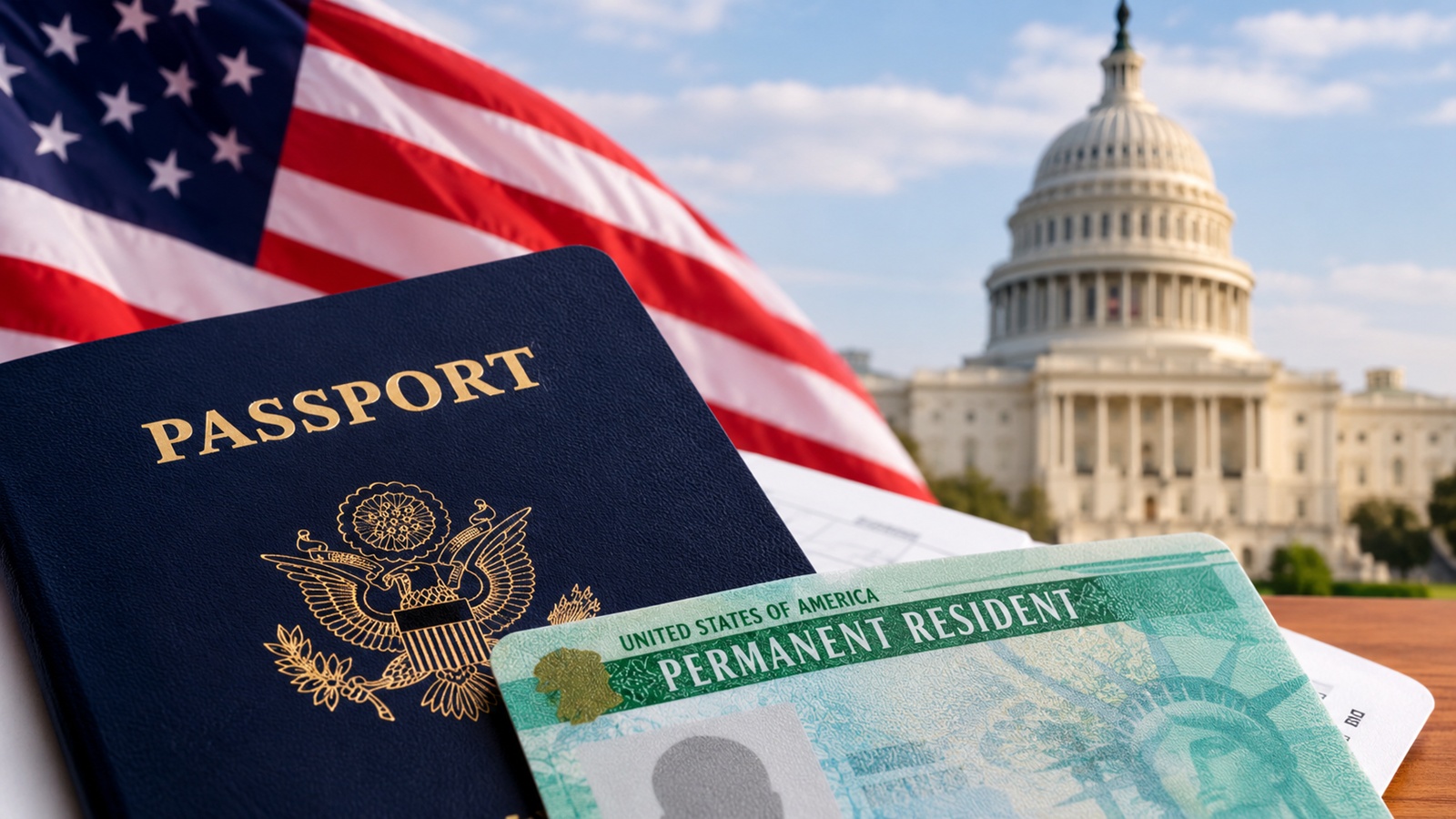
The passport sat on the kitchen table in Hyderabad, its gold emblem catching the weak afternoon light. Inside those blue pages was a promise of a better life, a modest paycheck, a way to build something lasting for two children who were growing up too fast. Distance is a familiar grief for families across the subcontinent. Men leave for the Gulf, for Southeast Asia, for the sprawling construction sites of distant capitals, trading their sweat for foreign currency. They leave with a suitcase and a return date.
Moscow was supposed to be just another stop on that familiar map.
Instead, the phone rang.
Silence stretched across the thousands of miles of fiber-optic cables before a cracked voice whispered an SOS from the heart of a Russian military barracks. The husband had gone for a logistics job, a warehouse gig that promised safety behind a desk and enough rubles to pay down family debt. The reality waiting at the end of the flight was starkly different. The warehouse door locked from the outside. The civilian contract vanished, replaced by a thick stack of Cyrillic paperwork and a rifle thrust into hands that had never known combat. Coercion is quiet at first. It wears the mask of bureaucracy, of lost paperwork, of whispered threats that carrying out a refusal is harder than walking onto the front lines.
To understand how an ordinary civilian from a quiet neighborhood ends up in the machinery of a foreign war, you have to look at the anatomy of modern desperation.
Desperation is an open door. When economic gravity pulls hard enough at a household, promises do not need to be airtight; they only need to offer a way out. Agents working in the gray shadows of international migration networks know this better than anyone. They operate in the spaces between official embassies and local job boards, speaking the language of opportunity while setting traps lined with false visas and manipulated contracts. They promise administrative safety, but deliver total exposure.
Consider the transition from traveler to combatant. It happens in slow motion, then all at once. The passport is collected for "visa processing." The phone is confiscated under the pretext of security restrictions. The language barrier becomes a wall of lead. When an Indian national realizes he has been signed over to the Russian armed forces, the realization does not arrive with a dramatic explosion. It arrives in the cold, gray dawn of a foreign camp, where translation apps fail to bridge the distance between a terrified husband and a distant, helpless wife shouting into a dying mobile battery.
Governments move slowly. Bureaucracy crawls at the speed of diplomatic notes, while artillery moves at the speed of a falling shell.
Back in India, the kitchen table no longer holds just a passport; it holds petitions, hastily printed emails addressed to the Ministry of External Affairs, and the phone numbers of journalists who might care enough to listen. Every ring of the telephone is a test of nerve. Every unanswered call is a small, quiet panic. This is the human cost of geopolitical friction—not abstract numbers on a nightly news broadcast, but a wife staring at a cracked screen, measuring the life of her family in percentage battery life.
Diplomacy is often visualized as men in tailored suits shaking hands across polished mahogany. But its true measure is found in the frantic lobbying of consular officers in foreign capitals, translating desperate pleas into urgent diplomatic demarches. The Indian government has repeatedly issued warnings about deceptive recruitment agencies, urging citizens to exercise extreme caution when signing foreign employment contracts. Yet, warnings are cold comfort when the contract is already signed and the barracks gates are locked.
We must ask ourselves what happens to the collateral damage of distant conflicts.
These are not mercenaries seeking ideological glory or thrill-seekers chasing the adrenaline of the trenches. These are ordinary men caught in the grinding gears of systemic deception. Their stories expose the dark underbelly of global labor migration, where the line between a civilian worker and a frontline soldier can be erased with a single forged signature.
The resolution, when it comes, is rarely cinematic. It does not arrive with a dramatic raid or a televised rescue. It happens in the quiet corners of backchannel negotiations, through the persistent pressure of diplomats who refuse to let a single file slip to the bottom of the pile. A name is checked off a list. A flight ticket is issued. A gate opens.
Yet, for every husband who makes it back to that kitchen table in Hyderabad, others remain behind, their phones switched off, caught in a system that views human lives as expendable fuel for a distant machine. The passport still sits on the table, worn at the edges now, waiting for a signature that may never come home.