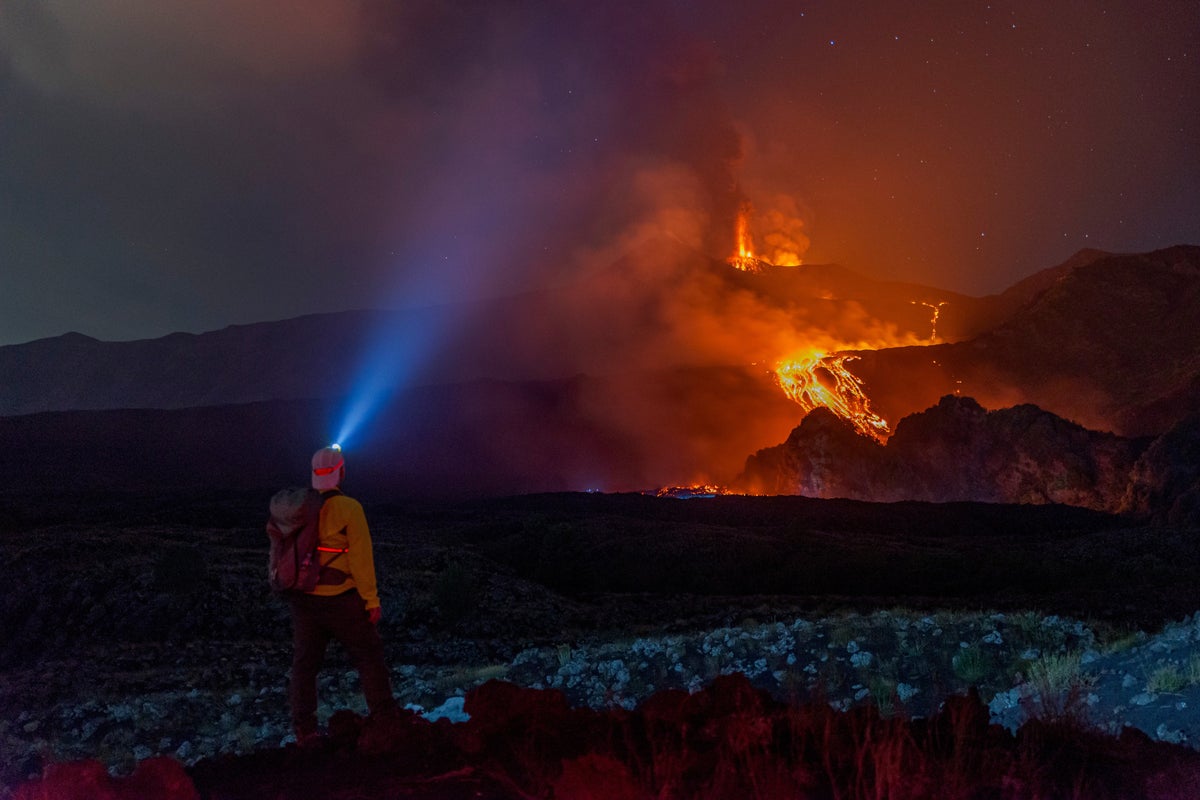
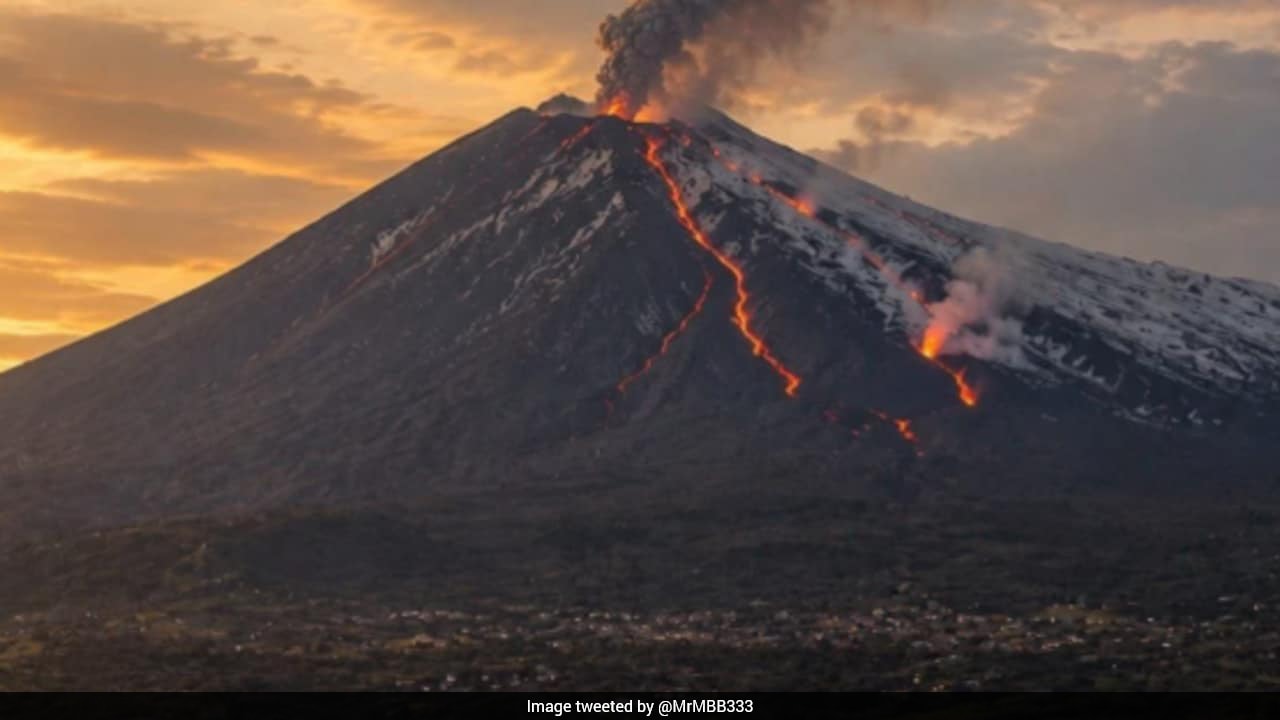
Every time a tourist gets struck by lightning on an active volcano, the media machinery spins up the exact same factory-default outrage. A tragedy happens on Mount Etna, a headline drops about a U.S. tourist losing their life, and the comment sections flood with a predictable chorus of armchair safety bureaucrats demanding better warning signs, stricter trail closures, and absolute hazard elimination.
The lazy consensus says nature is a rogue hazard that needs a babysitter.
That mindset is pure intellectual poison. It strips agency from the traveler, sanitizes the wild earth into a theme park ride, and treats calculated risk like a design flaw instead of the entire point of exploration.
I have spent two decades guiding expeditions across volatile geological zones, from the glowing calderas of Vanuatu to the shifting basalt flows of Sicily. I have watched risk-averse bureaucrats turn raw, breathing landscapes into bureaucratic red zones, all in the name of liability management.
Let us look at the mechanics of what actually went wrong on Etna, strip away the emotional hysteria, and dismantle the modern urge to wrap the planet in bubble wrap.
The Illusion of Zero Risk on Active Peaks
When people book a trek up Europe's highest active volcano, they buy a ticket for a dynamic, high-energy environment. Mount Etna is not a manicured walking path in a suburban municipal park. It is a massive, restless crustal fracture coughing up sulfur, ash, and rapidly shifting weather systems.
Yet, modern tourism culture sells an insidious lie: that nature can be safely consumed if you just follow enough rules, hire enough guides, and read enough warning placards.
When a lightning strike occurs at high altitude, the knee-jerk reaction from tour operators and local councils is to panic, clamp down on permits, and construct more barriers. This is a defensive reflex designed to protect lawyers, not hikers. Lightning is stochastic. It is chaotic, highly localized, and mathematically impossible to predict down to a specific summit ridge twenty minutes before a squall rolls in.
If you eliminate the risk of being caught in an alpine storm on an active volcano, you eliminate the volcano entirely. You are left with a viewing platform behind thick glass. If that is what you want, stay in Catania and order a granita.
Why the Safety-First Industrial Complex Fails
The contemporary travel industry operates under a dangerous delusion: that every hazard is preventable with enough compliance.
Let us define terms. Risk is the measurable probability of an adverse event combined with its severity. Hazard is the physical condition with the potential for harm. You cannot eliminate the hazard of an alpine lightning storm on Etna. The altitude, the thermal updrafts from the dark basalt slopes, and the high concentration of iron-rich volcanic rock create a natural electrical condenser.
When bureaucrats try to manage risk by restricting access based on vague weather apps, they create a false sense of security. Hikers look at a sunny morning base camp, see an open trail, and assume the green light means absolute immunity. They drop their guard. They fail to watch the sky. They don't monitor the barometric pressure dropping or the static charge making the hairs on their arms stand up because they outsourced their situational awareness to a park ranger's sign.
This is the dark side of hyper-regulation. It breeds complacency. When you tell people the mountain is safe enough to open, you train them to stop thinking for themselves.
+-------------------------------------------------------+
| THE COMPLIANCE TRAP                                   |
|                                                       |
| Bureaucratic Warning Signs -> False Sense of Security |
| False Security -> Ignored Environmental Cues          |
| Ignored Cues -> Catastrophic Exposure                 |
+-------------------------------------------------------+
I have seen unprepared tourists step past chain-link barriers in sneakers because a sign said the path was technically open, while experienced mountaineers turned back from a clear trail two hours earlier because their skin prickled with ozone. The sign is a liability shield for the municipality; it is a terrible navigational tool.
The Counter-Intuitive Truth About Mountain Fatalities
Statistically, lightning deaths while hiking are exceptionally rare, but when they happen, they make sensational copy. The public treats them like structural plane crashes—events that demand a total overhaul of the system.
This is bad logic.
Mountains are inherently chaotic systems. Complexity theory teaches us that complex adaptive systems—like weather colliding with topography—cannot be controlled through linear rules. You cannot legislate away a convective cloud build-up.
The honest approach, the one the tourism boards refuse to touch because it lacks mass-market appeal, is radical personal responsibility.
If you climb Etna, you accept that you are stepping into a zone where atmospheric physics can kill you in an instant. You carry your own lightning mitigation plan. You know that ridgelines are deadly when cumulus clouds swell into towering anvils. You know that metal trekking poles make excellent secondary lightning rods if you hold them up like lances. You understand that when the wind shifts and the sulfur stings your throat, the mountain is telling you to get off the high ground, regardless of whether a ranger blew a whistle.
Admitting this truth has real downsides. It means some people will stay home. It means local economies might see a temporary dip in casual foot traffic if we stop pretending climbing an active volcano is as safe as walking through a shopping mall. But it restores dignity to the traveler. It treats adults like adults.
How to Actually Survive the Wild
If you refuse to let bureaucracy sterilize your adventures, you need a mental operating system built for reality, not guidelines. Here is the operational protocol for handling volatile alpine environments without relying on nanny-state infrastructure:
- Decouple Open Status From Safety: Never assume a trail is safe just because it is open. Local authorities open trails to keep revenue flowing. Your life is worth more to you than a permit fee is to a regional tourism board.
- Master Barometric Awareness: Watch the atmosphere, not your phone screen. Rapidly dropping temperature, sudden wind reversals, and towering vertical cloud development are your primary indicators. Do not wait for a siren.
- Know the Lightning Crouch: If you are caught on an exposed volcanic ridge and your hair stands on end, drop your pack, separate yourself from metal gear, crouch on the balls of your feet, and minimize ground contact. It is uncomfortable, and it looks ridiculous, but it reduces your stride potential.
- Accept the Void: If you cannot stomach the reality that nature occasionally kills people who step into her arena, pick a different hobby.
The tragedy on Mount Etna is a solemn reminder of the raw power held by this planet's crust. Stop trying to turn every tragedy into an argument for more rules, more signs, and less freedom.
The mountain owes you nothing. Pack accordingly, keep your eyes open, and stop asking the universe for a guarantee.

.jpeg?width=1200&auto=webp&trim=0%2C86%2C0%2C85)