Sympathy is cheap. Business audits are not.
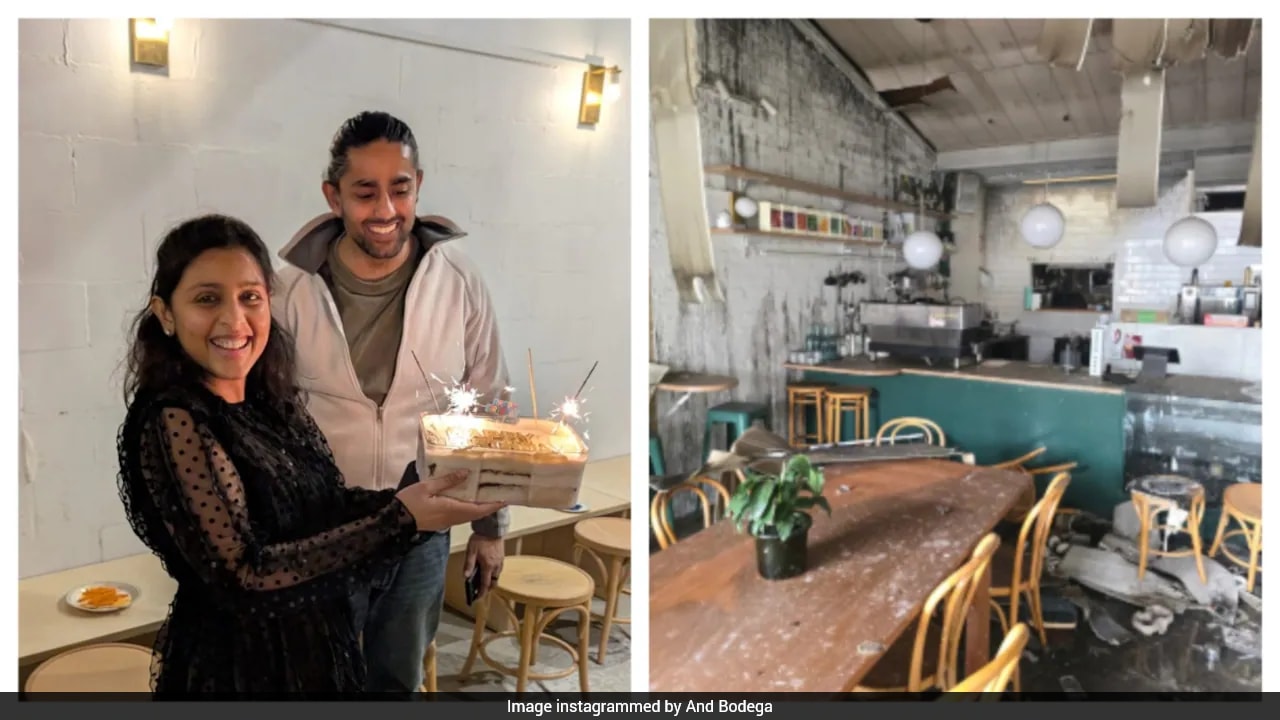
When a couple pours Rs 94 lakh—roughly AUD 160,000 to AUD 175,000 depending on the exact exchange rate—into a cafe in Australia and watches it go up in smoke during a suspected arson attack, the standard media reflex is predictable. Headline: tragedy. Narrative: innocent dreamers crushed by senseless malice. Call for prayers, donations, and stronger policing.
That framing feels humane. It also lets everyone off the hook from examining the brutal commercial mechanics that turn small hospitality ventures into financial ticking time bombs.
I have spent years watching founders burn through life savings on brick-and-mortar food concepts across major markets. I have seen operators blow six figures on build-outs before serving a single flat white, then wonder why a bad quarter—or a catastrophic incident—wipes them out completely. Mourning the arson attack is basic decency. Pretending a Rs 94 lakh cafe build-out was a bulletproof wealth engine before the fire is bad economics.
The Lazy Consensus Around Small-Business Tragedy
Standard coverage treats a suspected arson attack on a migrant-owned cafe as a pure story of external victimization. Bad actor lights a match. Good people lose their livelihood. End of analysis.
Nobody in those articles asks the harder questions. How much of that Rs 94 lakh went into depreciating leasehold improvements versus liquid working capital? Was the business insured for full replacement cost plus business interruption, or did the owners carry a bare-minimum policy to save a few thousand dollars a year? Did the cafe have enough cash flow history to survive a six-to-twelve-month rebuild delay, or was it running on thin margins where any disruption becomes fatal?
Suspected arson is a crime. Under-capitalization is a structural risk. Confusing the two makes for emotional copy, not sharp business insight.
When journalists frame every small-business disaster solely around villainy and heartbreak, they reinforce a dangerous myth among aspiring founders: that putting every rupee you have into a physical shopfront is the standard path to stability abroad. In reality, retail hospitality has one of the highest failure rates in commerce long before anyone brings a jerrycan near the back door.
Why People Ask The Wrong Questions About Migrant Cafes
Whenever a story like this breaks, search behavior spikes around predictable queries. People type things into Google like How much does it cost to open a cafe in Australia? or Does business insurance cover arson? or Why do small cafes fail?
Those questions miss the real issue.
Asking how much it costs to open a cafe focuses on upfront capital expenditure—espresso machines, commercial ovens, signage, seating, plumbing, licensing. In hospitality, opening cost is a trap because it tricks founders into thinking launch equals arrival. The real metric is time to cash-flow breakeven and shock absorption. Spending Rs 94 lakh to build a gorgeous room means nothing if rent, wages, waste, and loan repayments eat your margin every week.
Asking does insurance cover arson is a better question, yet still incomplete. Standard commercial policies have exclusions, sub-limits, vacancy clauses, proof-of-loss hurdles, and slow payout timelines. Even when an insurer eventually pays out on a confirmed arson claim, cash rarely arrives on day one. Suppliers still want paid. Staff need clarity. Landlords still have lease terms. A policy is a legal contract with conditions, not an instant ATM.
Asking why cafes fail usually produces clichés about bad coffee or poor location. In practice, operators fail when they treat a high-labor, perishable-inventory business like a passive trophy asset.
A cafe is not a monument to your sacrifice. It is a daily operating system that bleeds money the moment foot traffic slows or equipment stops.
The Anatomy Of A Rs 94 Lakh Build-Out
Let's strip away the emotion and look at the math of a Rs 94 lakh investment in Australian hospitality.
In rupee terms, Rs 94 lakh sounds substantial—especially back home in India, where that sum can buy serious property or fund a sizable regional venture. Converted into Australian dollars, that same capital shrinks fast once you factor in commercial fit-outs, compliance, equipment, deposits, and initial operating buffers.
In Australia, commercial labor costs are high, penalty rates apply on weekends and public holidays, and hospitality fit-outs routinely run expensive due to strict health, ventilation, grease-trap, and building codes. A founder moving across borders naturally anchors to the value of that money in their home currency. That psychological anchor is understandable. It can also distort risk assessment.
Mental accounting in your home currency can blind you to local burn rates.
Consider a thought experiment. Imagine a scenario where two founders each have Rs 94 lakh to deploy into Australian hospitality. Founder A spends 85% of the capital immediately on a prime-street shopfront fit-out, high-end branding, and lease bond, leaving a tiny cash cushion. Founder B spends less on aesthetics, negotiates a leaner initial setup, keeps six months of operating expenses in reserve, and verifies every insurance clause before opening.
If a disaster hits—whether arson, a burst pipe, a kitchen fire, or a sudden street closure—Founder A faces existential ruin even if police eventually catch the culprit. Founder B still takes a heavy hit, yet retains options.
That is not blaming the victim of a crime. That is pointing out why capital structure determines survival when things go sideways.
What Heavy Hitters In Business Actually Stress-Test
Seasoned operators and turnaround specialists—people like Keith Cunningham in small-business financial discipline or Ray Dalio in risk and stress-testing—look at businesses through drawdown resilience, not best-case projections.
Optimists plan for packed tables on Saturday morning. Realists ask what happens when revenue drops to zero for ninety days.
In hospitality, three variables quietly decide whether a venture survives external shocks:
- Liquidity buffer: Cash sitting untouched that can cover fixed commitments when sales stall.
- Insurance mechanics: Verified coverage for property damage, contents, theft/malicious damage, and loss of profits—with zero blind spots around security systems or proof requirements.
- Debt exposure: Whether the build-out was funded with clean equity or high-pressure loans that keep demanding payments while the doors are shut.
Many founders skip deep stress-testing because starting a business already feels overwhelming. Visas, family expectations, lease negotiations, supplier contracts, and daily operations consume every waking hour. Checking policy fine print or modeling a three-month shutdown feels pessimistic when you are trying to build something from scratch.
Yet pessimism on paper is what protects optimism in reality.
The Uncomfortable Truth About The Downsides
Taking a hard-nosed look at capital allocation and risk management comes with its own downsides, and I will not pretend otherwise.
First, over-indexing on financial caution can make you overly conservative in a market where visibility and customer experience matter. Under-investing in your space or equipment can lead to sluggish sales, slow service, and constant maintenance headaches. There is a real cost to being too stingy just as there is a real cost to being over-extended.
Second, hindsight analysis after a suspected arson attack carries a distinct risk: sounding cold when real people are hurting. When someone's livelihood goes up in smoke, nobody wants a lecture on balance sheets in the first twenty-four hours. Timing matters, and empathy has its place—right alongside clear-eyed analysis.
Third, even the best risk planning cannot eliminate malicious acts. A determined arsonist can defeat locks, cameras, and alarms. Good systems lower exposure and speed recovery; they do not make anyone invincible.
Actionable Moves If You Are Building Or Backing A Cafe
If you run a food business, plan to open one abroad, or help family members fund a venture overseas, stop treating launch day as the finish line. Do the unglamorous work before money leaves your account.
- Audit the insurance policy line by line: Do not rely on a broker saying "you're covered." Ask specifically about malicious damage, arson, smoke and water damage from firefighting, equipment breakdown, and business interruption waiting periods.
- Keep a dedicated crisis reserve: Ring-fence cash equal to at least three to six months of baseline fixed costs before signing long-term commitments. Never spend your final rupee on decor or signage.
- Document everything continuously: Keep digital receipts, asset serial numbers, photos of fit-out stages, and clear financial records off-site in the cloud. If a loss occurs, proving value fast speeds up recovery.
- Separate emotional identity from the lease: Love your craft and care for your team, but treat the business entity as a distinct legal and financial vehicle. Protect your personal and family floor.
Tragedy exposes weak spots that good weeks hide. A suspected arson attack destroys property in minutes, yet the aftermath tests preparation for months.
Build for the fire before you light the stove.