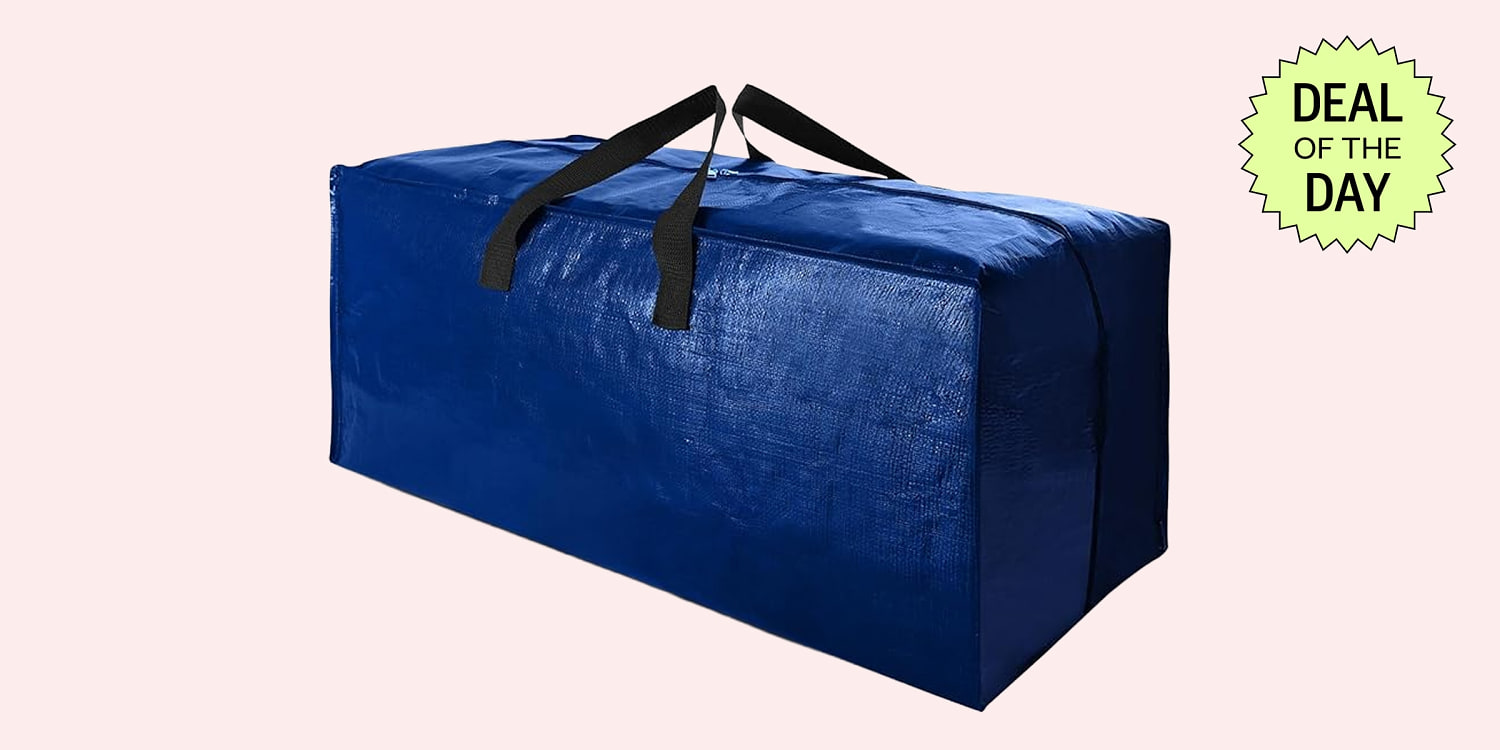
Cardboard boxes are a scam. You pay for them, tape the bottoms until your hands cramp, stack them carefully in the truck, and half the time they collapse anyway because someone stacked heavy books on your sweaters. I switched to heavy duty moving bags years ago and never looked back. If you are staring down a garage full of flat boxes and tape guns right now, stop. There is a much better way to haul your life from point A to point B.
Moving day is stressful enough without your packing supplies failing you halfway up a flight of stairs. Right now, heavy duty moving bags are heavily discounted online, dropping by over thirty percent. That makes them cheaper than buying a fresh bundle of corrugated cardboard, and unlike cardboard, you won't throw these away when you are done.
The Problem With Traditional Moving Boxes
Cardboard is fragile. Water destroys it. Humidity makes it sag. If it rains on moving day, your cardboard boxes turn into soggy pulp while your belongings take a bath. Cardboard also requires a frustrating amount of assembly. You need packing tape, a dispenser, markers, and a lot of patience.
Once you unpack cardboard boxes, you have to break them down, stuff them into your recycling bin, or haul them to a municipal dump. They offer zero structural protection against drops, and they lack handles. Lugging a heavy box of books means awkwardly clutching the bottom with your forearms, praying the tape holds.
Moving bags change the physics of relocation. They are constructed from woven polypropylene, which is the same indestructible material heavy duty IKEA bags and tarp-makers use. They resist water, tear easily, and handle immense weight without ripping open.
Why Heavy Duty Moving Bags Actually Work
I first tried these bags out of sheer desperation during a rainy November move. My standard boxes were getting damp in the truck bed, so I threw my winter coats, spare blankets, and pillows into a couple of large zipper totes I bought online.
The difference was staggering.
First, they have built-in backpack straps and carrying handles. Carrying a fifty-pound load on your shoulder or as a backpack leaves your hands free to open doors, guide pets, or carry more fragile items. You cannot sling a cardboard box over your shoulder unless you want it to rip immediately.
Second, they conform to odd shapes. Cardboard boxes are rigid cubes. If you are trying to pack oddly shaped pillows, plush toys, bulky winter gear, or awkward sporting goods, boxes waste an enormous amount of space. Moving bags flex around your items. You can cram three extra comforters into a moving bag that would require two separate large wardrobe boxes.
Third, visibility matters. Many heavy duty moving bags feature clear tag pockets. You slide a notecard into the sleeve detailing the contents and destination room. No more frantic marker scribbling on the side of brown cardboard that you cannot read in a dim hallway.
What You Should Actually Pack In Moving Bags
Do not pack your fine china or crystal glassware in these bags. They are soft-sided, meaning heavy pressure from the outside can crush fragile contents unless you pack them inside hard plastic bins first.
Reserve your moving bags for items that benefit from flexibility and breathability.
- Bedding and Linens: Pillows, duvets, spare sheets, and blankets compress easily inside large zippered totes.
- Wardrobe and Clothes: Hanging clothes can stay on their hangers and slide right into a bag, or you can fold seasonal items flat. They hold massive volumes of clothing without splitting seams.
- Towels and Bath Mats: Bath linens take up tons of space in traditional boxes. Moving bags swallow them whole.
- Soft Toys and Plushies: Kids rooms become much easier to pack when you can stuff twenty stuffed animals into a single lightweight waterproof bag.
- Workout Gear: Yoga mats, resistance bands, foam rollers, and weight belts fit effortlessly.
The Post-Move Storage Advantage
What happens to your packing supplies after the move? Cardboard boxes end up in the alleyway or recycling center. Moving bags fold completely flat.
When you finish unpacking your new home, you can zip these bags flat and slide them under a bed, stack them on a high closet shelf, or tuck them into the bottom of a wardrobe. They take up virtually no space. When you need to store seasonal winter gear next summer, or when you help a friend move next year, you pull them out and they are ready to go.
If you own an RV, cabin, or boat, these bags serve as exceptional gear storage bins. They keep moisture, dust, and spiders away from your spare gear while taking up less space than plastic storage totes.
How to Choose the Right Moving Bags
Not all moving bags are created equal. Avoid the ultra-cheap unreinforced plastic versions you find at discount dollar stores. Those feature weak zippers that derail under minimal tension.
Look for features that guarantee longevity.
- Material: Woven polypropylene or heavy-duty tarpaulin fabric. If it feels like a flimsy grocery bag, skip it.
- Zippers: Dual heavy-duty metal zippers that open all the way around three sides, allowing the top to flip completely open like a suitcase.
- Strap Reinforcement: The straps should wrap entirely around the bottom and sides of the bag, not just stitch into the fabric seam. If the straps only attach at the top edge, they will tear off the first time you lift a heavy load.
- Capacity: Look for bags holding around seventy to eighty liters of volume. Anything larger becomes too heavy to safely carry up stairs.
Grab a multi-pack while the current discounts are active. You will cut your packing time in half, save your back on moving day, and reclaim your closet space once the chaos settles.