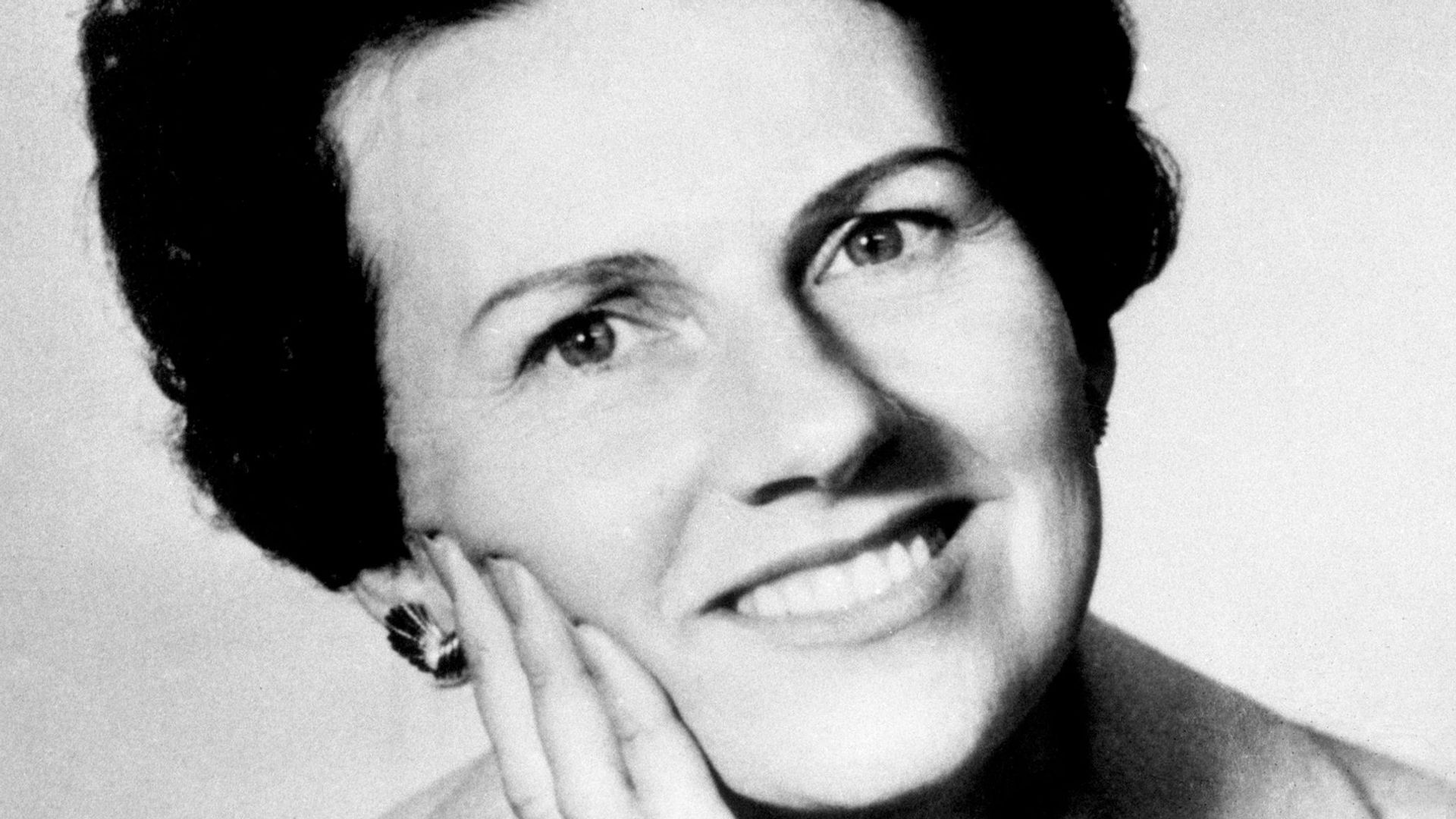
A single fragment of bone found in a muddy field in Hertfordshire might finally end a fifty-six-year nightmare. For the family of Muriel McKay, this isn't just a forensic discovery. It's the potential resolution to one of the most agonizing cold cases in British history. Muriel was kidnapped in 1969, mistaken for the wife of media tycoon Rupert Murdoch, and she never came home. After decades of silence, false leads, and the taunts of her killers, the ground at Stocking Farm is finally giving up its secrets.
Police confirmed the discovery of a bone during the latest dig at the site in Stocking Pelham. This follows years of relentless campaigning by Muriel's daughter, Dianne McKay, and her grandson, Mark Dyer. They’ve refused to let the memory of Muriel fade into a footnote of true crime history. If DNA tests confirm this is Muriel, it marks the end of a half-century search for a woman who was failed by almost every system designed to protect her.
Why Stocking Farm is the Key
The search hasn't been easy. Stocking Farm was the home of Arthur and Nizamodeen Hosein, the brothers convicted of Muriel’s kidnap and murder in 1970. Despite their convictions—the first in UK history for murder without a body—they never revealed where they hid her. Arthur died in prison, but Nizamodeen, deported to Trinidad after his release, eventually started talking.
He claimed Muriel died of a heart attack during her captivity and was buried near a manure heap behind the farmhouse. Earlier searches in 2022 yielded nothing, leading to immense frustration for the family. They argued the police were looking in the wrong spot, hampered by changes in the landscape and decades of agricultural work. The current dig, which began recently, was more targeted. It focused on the specific coordinates Nizamodeen pointed out during filmed interviews with the family.
The Forensic Reality of a Cold Case Discovery
Finding a bone after five decades is a massive hurdle, but it's only the start of the process. The acidity of the soil, the depth of the burial, and the presence of farm animals all complicate the recovery. Experts now have to determine if the fragment is human. If it is, the lab work begins.
DNA extraction from aged bone is notoriously difficult. The outer layer of the bone often degrades, but the inner "petrous" portion or the teeth—if found—usually hold the best genetic material. The Metropolitan Police are being cautious, as they should be. They don't want to give the McKay family false hope, something they’ve had plenty of since 1969.
The Botched Ransom and a Case of Mistaken Identity
To understand why this bone matters so much, you have to look back at how we got here. In December 1969, Muriel McKay was bundled into a car from her home in Wimbledon. The kidnappers thought they had Anna Murdoch. They didn't. They had the wife of Alick McKay, Murdoch’s deputy.
The subsequent weeks were a masterclass in police bungling and kidnapper incompetence. The Hosein brothers demanded £1 million. They sent rambling letters. They made phone calls that the police struggled to trace with the technology of the era. Two ransom drops failed. In one instance, a police officer accidentally spooked the kidnappers at a phone box. It was a mess.
While the Hoseins were eventually caught because of their car—a Volvo tracked to the farm—Muriel was gone. The brothers maintained a wall of silence for decades. That silence is what kept the family in a state of perpetual mourning. You can't grieve properly when there's no grave to visit.
What Happens if the DNA Matches
If the forensic team confirms the bone is Muriel’s, the legal and emotional implications are huge. Firstly, it vindicates the family’s belief that Nizamodeen Hosein was finally telling the truth. They spent their own money and time traveling to Trinidad to interview him, doing the investigative legwork that many felt the authorities had abandoned.
Secondly, it allows for a proper burial. For Dianne McKay, now in her 80s, this is a race against time. She’s been vocal about her desire to lay her mother to rest alongside her father.
- Forensic identification: This can take anywhere from a few days to several weeks depending on the condition of the sample.
- Coronial process: A formal inquest would likely be reopened to officially record the cause and circumstances of death.
- Site preservation: If more remains are found, Stocking Farm remains a crime scene, potentially uncovering more evidence about Muriel's final days.
The Persistence of the McKay Family
Honestly, the real story here isn't just the forensic find. It's the grit of the McKay family. Most people would have given up after twenty years, let alone fifty. They pushed the Metropolitan Police to reopen the dig when the force was reluctant. They dealt with the trauma of speaking to one of the men who snatched Muriel.
They also had to navigate the changing landscape of the farm. Hedges had been removed. Buildings had been altered. The "manure heap" Nizamodeen remembered wasn't where it used to be. The family used old photographs and mapping experts to prove to the Met that the 2022 search was off by just a few meters. This discovery suggests they were right all along.
Moving Toward a Resolution
The Met Police have been under immense pressure to get this right. Their relationship with the McKays has been strained at times, with the family accusing the force of being "defensive" and "obstructionist." This discovery, however, changes the dynamic. It's a moment of somber validation.
We aren't just looking at a piece of old bone. We're looking at the potential end of a saga that defined an era of British crime. It's a reminder that cases are never truly "closed" as long as a family is willing to fight for the truth.
If you're following this case, the next steps involve waiting for the Home Office pathologist and the forensic anthropologists to finish their assessment. There's no rushing science, but for a family that’s waited since 1969, every hour feels like an eternity. Stay updated by checking the official Metropolitan Police news feed or major UK broadsheets for the DNA results, which will determine if the search finally moves from a crime scene to a funeral service. Grounding the search in the family's direct evidence was the pivot that finally worked.
The site remains cordoned off. The dig continues. The truth is closer than it has ever been.