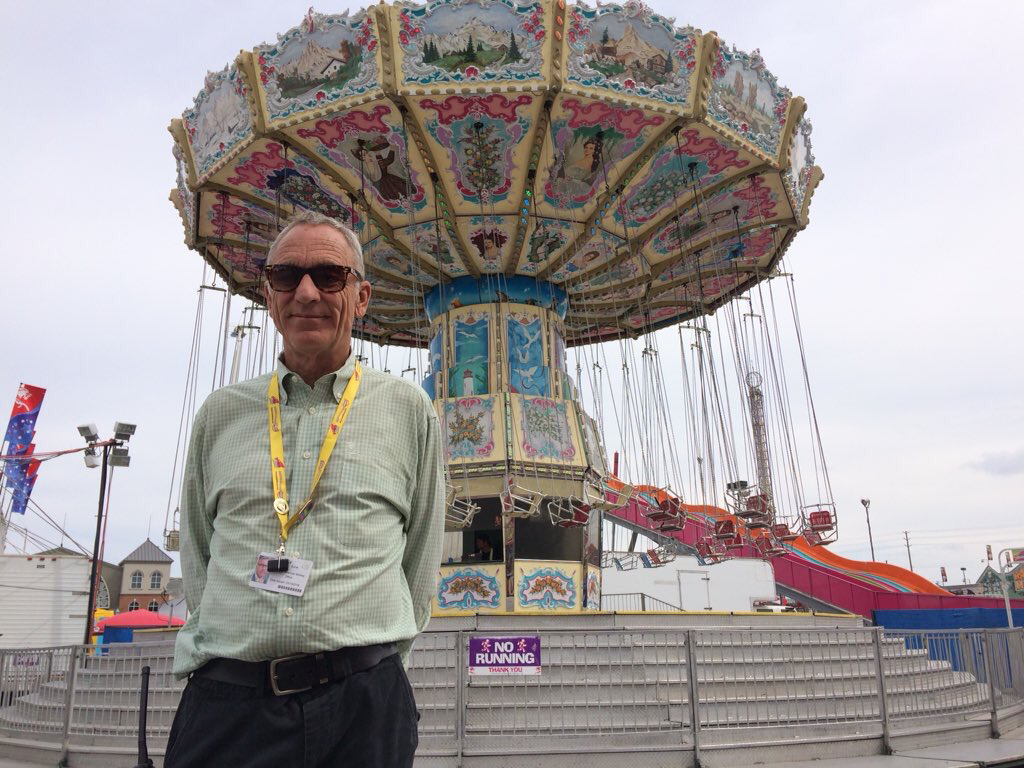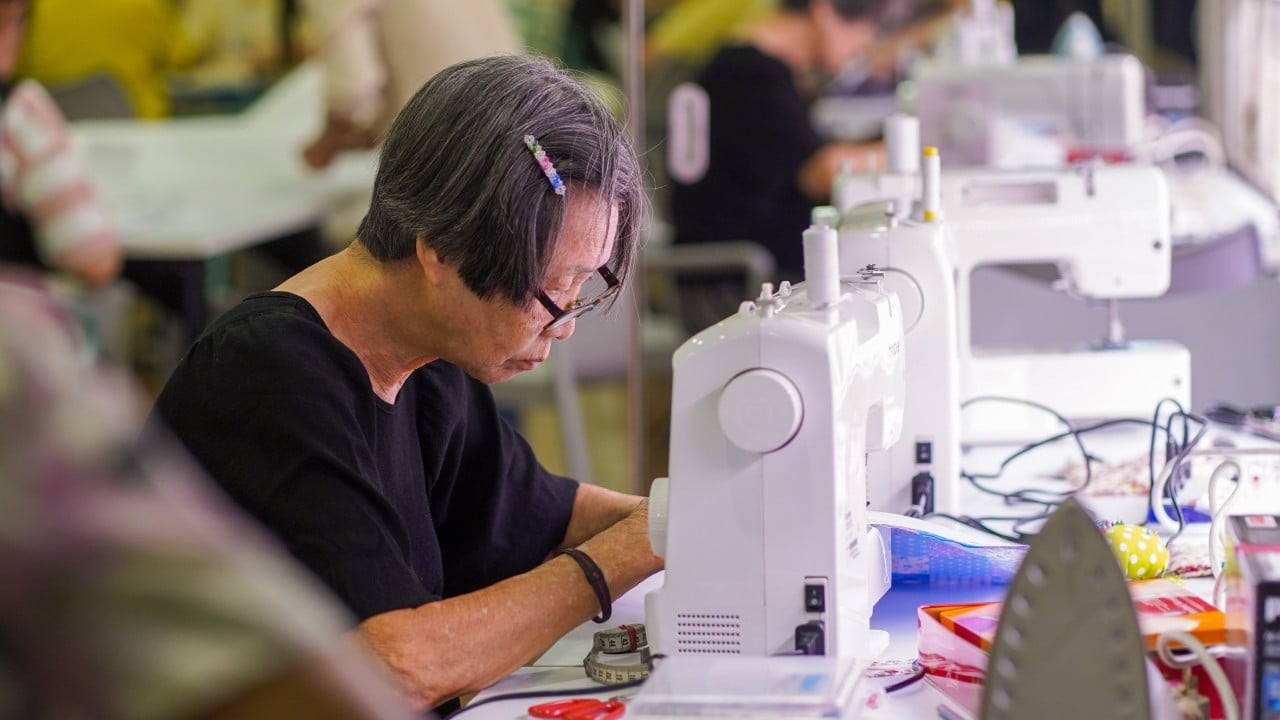
Singapore is sprinting toward a demographic cliff. By 2030, one in four citizens will be aged 65 or older, officially pushing the city-state into the "super-aged" bracket. The prevailing narrative suggests that the secret to navigating this shift is simply staying busy—encouraging seniors to work longer, volunteer more, and remain socially active. While activity is a vital component of health, the "stay busy" mantra often masks a more complex economic and structural reality. Singapore’s survival depends on whether it can transform the elderly from a perceived social burden into a functional economic pillar through massive infrastructure shifts and a complete rewrite of the traditional retirement contract.
The Work Until You Drop Economy
The sight of elderly residents cleaning hawker centers or collecting cardboard is a common, often jarring, reality in Singapore. For some, it is a choice driven by the desire for routine; for others, it is a mathematical necessity. The Central Provident Fund (CPF), Singapore’s mandatory savings scheme, is efficient but relies entirely on a lifetime of consistent, well-paid employment. Those who fell through the cracks during the country's rapid industrialization now find themselves working well into their seventies to cover the rising cost of living.
This isn't just about personal finance. The government has a vested interest in keeping the elderly in the workforce. By raising the retirement and re-employment ages—set to hit 65 and 70 respectively by 2030—the state is attempting to mitigate a shrinking local labor force. It is a pragmatic, cold-eyed solution to a labor shortage. But there is a thin line between "active aging" and "economic coercion." When a society tells its seniors they must stay busy to stay healthy, it also conveniently solves the problem of who will fill low-wage service roles that younger generations avoid.
The Biological Toll of the Loneliness Epidemic
Isolation kills faster than many chronic diseases. In Singapore’s high-rise HDB estates, the "vertical kampong" (village) is often more of a concept than a reality. Thousands of seniors live alone in studio apartments, separated from their children who have moved to newer estates. Physical activity—walking to the market or attending a government-sponsored Zumba class—is the prescribed antidote.
The science is clear: social isolation triggers a chronic stress response that accelerates cognitive decline and cardiovascular issues. However, the current "stay busy" strategy often focuses on superficial engagement. Attending a communal lunch once a week is not the same as having a meaningful role in a community. The city is currently experimenting with "Health Districts," where urban planning is redesigned to force social interaction. This includes shared gardens and communal kitchens located in the path of daily foot traffic. It is an attempt to engineer the organic community bonds that were lost during the rapid urbanization of the late 20th century.
The High Cost of the Silver Infusion
Singapore is pouring billions into "Age-Ready" infrastructure. This isn't just about ramps and lifts. It involves a massive technological overhaul of the healthcare system. The goal is to move care from the hospital to the home. Remote monitoring, tele-health, and AI-driven fall detection are being deployed at scale.
This shift is born of desperation. The current ratio of working-age adults to seniors is plummeting. In 1970, it was 13.5 to 1. By 2030, it will be 2.4 to 1. The math simply does not work for a traditional, hospital-centric healthcare model. The "secret" to Singapore's approach isn't just keeping seniors busy; it’s an aggressive, state-led effort to automate eldercare so the remaining workforce isn't crushed by the tax burden of a dying population.
The Problem with Productivity as a Metric
We tend to value the elderly based on what they can still do for the economy. This is a dangerous metric. When the narrative centers on "staying busy," we inadvertently suggest that those who cannot remain active—due to disability or dementia—are failing at aging.
Dementia rates in Singapore are projected to double by 2030. You cannot "busy" your way out of Alzheimer’s. The focus on active aging risks marginalizing the very group that will soon require the most intensive resources. True success in a super-aged society isn't measured by how many 75-year-olds are still clearing tables; it’s measured by how the society supports those who can no longer contribute to the GDP.
Infrastructure as a Social Vaccine
Walking through a modern Singaporean neighborhood, you see the subtle cues of a city being rebuilt for the frail. "Silver Zones" feature lower speed limits, narrowed roads, and extended pedestrian crossing times. These are not mere conveniences. They are essential components of a strategy to keep the elderly mobile for as long as possible.
Once a senior loses the confidence to leave their home, the downward spiral begins. A simple fall often marks the beginning of the end. By redesigning the physical environment to be "forgiving," the state extends the period of independent living. This saves the government hundreds of thousands of dollars per person in long-term care costs. The "busy" lifestyle is the outcome of a carefully curated physical environment, not just a matter of individual willpower.
The Intergenerational Friction
There is an unspoken tension in this transition. Resources are finite. As the state pivots its budget toward healthcare and senior subsidies, younger Singaporeans face high housing costs and intense professional competition. The "sandwich generation"—those caring for both aging parents and young children—is under immense pressure.
If the "stay busy" model fails, the burden falls squarely on these families. The government’s "Maintenance of Parents Act," which allows parents to sue their children for financial support, is a stark reminder that the state views eldercare as a family responsibility first, and a social one second. This legal framework ensures that the state isn't the only one on the hook for the silver tsunami, but it places a massive emotional and financial strain on the young.
Beyond the Community Club
The future of aging well in Singapore requires a move away from organized "senior activities" and toward genuine integration. We need to stop treating the elderly as a separate class of citizens who need to be kept occupied.
True integration looks like "intergenerational co-living," where students and seniors live in the same complexes, or "senior-led" businesses that utilize decades of professional expertise rather than just manual labor. It requires a shift in the corporate mindset, where "re-employment" isn't a charitable act but a strategic move to retain institutional knowledge.
The Brutal Reality of the Longevity Dividend
Living to 100 is only a "gift" if the middle 40 years weren't spent burning out and the final 20 aren't spent in poverty. Singapore is a laboratory for the rest of the world. Its success or failure will depend on whether it can move past the platitudes of "active aging" and address the systemic inequalities that make aging a nightmare for the poor and a luxury for the rich.
The city-state is betting that it can engineer a way out of a demographic trap. It is a gamble involving billions of dollars, radical urban redesign, and a fundamental shift in how human value is calculated. Staying busy is the symptom of a healthy society, not the cure for an aging one.
Make no mistake: the "secret" isn't just about staying active. It is about whether a nation can afford to keep its citizens alive and engaged when the numbers no longer add up. For the individual, the takeaway is simple: don't just plan for a retirement of leisure. Plan for a second act that has genuine utility. If you don't find a way to remain useful in a super-aged economy, the system will find a way to use you anyway.